Apollo
logo
Select Delivery Location
prescription
Prescription Medicine
info
Best Price

₹54 with coupons & bank offers*

View

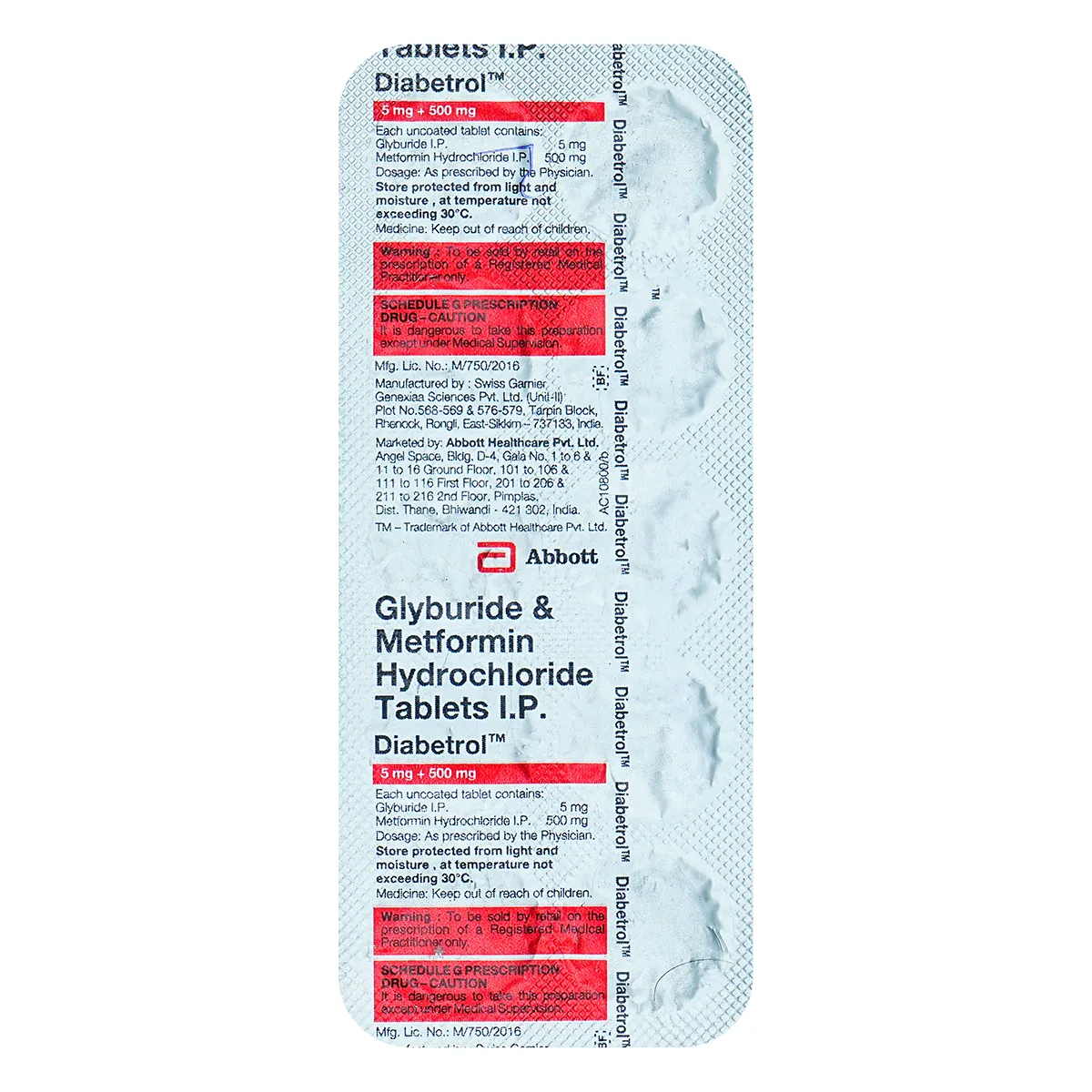
Diabetrol Tablet is an anti-diabetic medicine used in the treatment of Type II diabetes. This combination medicine works by stimulating beta cells in the pancreas that produce insulin and also reduces sugar production by cells in the liver and delays sugar absorption. This medicine may cause common side effects like low blood sugar, nausea, diarrhoea, upset stomach and headache.

Read more
Written By Bayyarapu Mahesh Kumar , M Pharmacy
Reviewed By Santoshini Reddy G , M Pharmacy
OffersOffers & Discounts

Get Free delivery (₹99) with circle icon

Join Circle
coupon
Get Extra 18% Off with Coupons
coupon
Extra 10% Off with Bank Offers
bank offer
bank offer
bank offer

More about the Product

Manufacturer/Marketer :

Abbott India Ltd

Consume Type :

Oral

Expires on or after :

Jan-27

Return Policy :

Not Returnable

About Diabetrol Tablet

Diabetrol Tablet is a prescription medicine used to help control blood sugar levels in people with type 2 diabetes mellitus. It combines two antidiabetic medicines that work together to improve the body's response to insulin and reduce the amount of sugar produced by the liver. By maintaining healthy blood sugar levels, Diabetrol Tablet helps lower the risk of diabetes-related complications affecting the eyes, kidneys, nerves, and heart.

To get the best results, you must take Diabetrol Tablet consistently at the same times every day as directed by your healthcare provider. Diabetrol Tablet should always be taken with meals to lower the chance of an upset stomach and help reduce the risk of low blood sugar. Combining this treatment with a balanced diet, regular physical activity, and routine blood sugar monitoring is essential for effective diabetes management.

While taking Diabetrol Tablet , you may experience common side effects such as nausea, diarrhea, stomach discomfort, headache, or low blood sugar. However, seek immediate medical attention if you develop severe dizziness, unusual tiredness, difficulty breathing, severe weakness, or symptoms of lactic acidosis or severe hypoglycemia.

Before starting Diabetrol Tablet , tell your doctor if you have kidney disease, liver disease, heart failure, or a history of dehydration or alcohol misuse. Do not take Diabetrol Tablet if you have severe kidney disease, diabetic ketoacidosis, or an allergy to glyburide, metformin, or related medicines. Your doctor may recommend periodic blood tests to monitor your kidney function and overall response to treatment.

Diabetrol Tablet can interact with alcohol, certain blood pressure medicines, steroids, and other medicines that affect blood sugar levels. Avoid excessive alcohol consumption while taking Diabetrol Tablet , as it can increase the risk of serious side effects. If you are pregnant, planning to become pregnant, breastfeeding, or are an older adult, speak with your healthcare provider to determine the safest and most effective treatment plan for your needs.

Uses of Diabetrol Tablet

Diabetrol Tablet is used in the treatment of Type 2 diabetes mellitus. The detailed uses of Diabetrol Tablet are as follows:

  • Type 2 diabetes mellitus: Diabetrol Tablet helps lower daily blood sugar levels in adults whose glucose is not well controlled by diet, exercise, or other single medications.

Key Benefits

Diabetrol Tablet helps manage blood sugar levels in people with type 2 diabetes by combining two medicines that work in different ways. Better blood sugar control supports overall health and helps reduce the risk of diabetes-related complications.
Benefits may include:

  • Helps lower and maintain healthy blood sugar levels in people with type 2 diabetes.
  • Provides effective blood sugar control throughout the day.
  • Combines two antidiabetic medicines in a single tablet for greater convenience.
  • Helps reduce the risk of long-term complications of diabetes, including damage to the eyes, kidneys, nerves, and blood vessels.
  • Supports improved energy levels and overall well-being by maintaining stable blood sugar levels.
  • Works best when combined with a healthy diet, regular exercise, and other lifestyle measures.
     
Side effects of Diabetrol Tablet
Here are the precise steps to cope with diarrhoea caused by medication usage:
  • Inform Your Doctor: Notify your doctor immediately about your diarrhoea symptoms. This allows them to adjust your medication or provide guidance on managing side effects.
  • Stay Hydrated: Drink plenty of fluids to replace lost water and electrolytes. Choose water, clear broth, and electrolyte-rich drinks. Avoid carbonated or caffeinated beverages to effectively rehydrate your body.
  • Follow a Bland Diet: Eat easy-to-digest foods to help firm up your stool and settle your stomach. Try incorporating bananas, rice, applesauce, toast, plain crackers, and boiled vegetables into your diet.
  • Avoid Trigger Foods: Steer clear of foods that can worsen diarrhoea, such as spicy, fatty, or greasy foods, high-fibre foods, and dairy products (especially if you're lactose intolerant).
  • Practice Good Hygiene: Maintain good hygiene to prevent the spread of infection. To stay healthy, wash your hands frequently, clean and disinfect surfaces regularly, and avoid exchanging personal belongings with others.
  • Take Anti-Diarrheal Medications: If your doctor advises, anti-diarrheal medications such as loperamide might help manage diarrhoea symptoms. Always follow your doctor's directions.
  • Keep track of your diarrhoea symptoms. If they don't get better or worse or are accompanied by severe stomach pain, blood, or dehydration signs (like extreme thirst or dark urine), seek medical help.
Dealing with Medication-Induced Headache:
  • Hydrate your body: Drink enough water to prevent dehydration and headaches.
  • Calm Your Mind: Deep breathing and meditation can help you relax and relieve stress.
  • Rest and Recharge: Sleep for 7-8 hours to reduce headache triggers.
  • Take rest: lie down in a quiet, dark environment.
  • Cold or warm compresses can help reduce tension.
  • Stay Upright: Maintain good posture to keep symptoms from getting worse.
  • To treat headaches naturally, try acupuncture or massage therapy.
  • Over-the-counter pain relievers include acetaminophen and ibuprofen.
  • Prescription Assistance: Speak with your doctor about more substantial drug alternatives.
  • Severe Headaches: Seek emergency medical assistance for sudden, severe headaches.
  • Frequent Headaches: If you get reoccurring headaches, consult your doctor.
  • Headaches with Symptoms: Seek medical attention if your headaches include fever, disorientation, or weakness.
Overcome Medication-Induced Nausea: A 9-Step Plan
  • Inform your doctor about the nausea and discuss possible alternatives to the medication or adjustments to the dosage.
  • Divide your daily food intake into smaller, more frequent meals to reduce nausea.
  • Opt for bland, easily digestible foods like crackers, toast, plain rice, bananas, and applesauce.
  • Avoid certain foods that can trigger nausea, such as fatty, greasy, spicy, and smelly foods.
  • Drink plenty of fluids, such as water, clear broth, or electrolyte-rich beverages like coconut water or sports drinks.
  • Use ginger (tea, ale, or candies) to help relieve nausea.
  • Get adequate rest and also avoid strenuous activities that can worsen nausea.
  • Talk to your doctor about taking anti-nausea medication if your nausea is severe.
  • Record when your nausea occurs, what triggers it, and what provides relief to help you identify patterns and manage your symptoms more effectively.
  • Drink water or other clear fluids.
  • To prevent worsening of pain, limit intake of tea, coffee, or alcohol.
  • Include bland foods like rice, toast, crackers, and rice in your diet.
  • Avoid lying down immediately after eating as it may cause indigestion or heartburn.
  • Avoid acidic and spicy food as it may cause indigestion.
Here are the 7 steps to manage Dizziness caused by medication:
  • Inform your doctor about dizziness symptoms. They may adjust your medication regimen or prescribe additional medications to manage symptoms.
  • Follow your doctor's instructions for taking medication, and take it at the same time every day to minimize dizziness.
  • When standing up, do so slowly and carefully to avoid sudden dizziness.
  • Avoid making sudden movements, such as turning or bending quickly, which can exacerbate dizziness.
  • Drink plenty of water throughout the day to stay hydrated and help alleviate dizziness symptoms.
  • If you're feeling dizzy, sit or lie down and rest until the dizziness passes.
  • Track when dizziness occurs and any factors that may trigger it, and share this information with your doctor to help manage symptoms.
  • If you experience low blood sugar levels, inform your doctor. They will assess the severity and make recommendations for the next actions.
  • Your doctor will assess your symptoms, blood sugar levels, and overall health before recommending the best course of action, which may include treatment, lifestyle modifications, or prescription adjustments.
  • Follow your doctor's instructions carefully to manage the episode and adjust your treatment plan.
  • Make medication adjustments as recommended by your doctor to prevent future episodes.
  • Implement diet and lifestyle modifications as your doctor advises to manage low blood sugar levels.
  • Monitor your blood sugar levels closely for patterns and changes.
  • Track your progress by recording your blood sugar levels, food intake, and physical activity.
  • Seek further guidance from your doctor if symptoms persist or worsen so that your treatment plan can be revised.

Directions for Use

  • Diabetrol Tablet can be taken with meals to avoid stomach upset.
  • It is usually taken 1-2 times daily or as prescribed by your doctor.
  • Swallow Diabetrol Tablet as a whole with a glass of water.
  • Do not break, chew, or crush it.

How Diabetrol Tablet Works

Diabetrol Tablet contains Glyburide and Metformin. Glyburide: It helps lower blood sugar by stimulating the pancreas to release more natural insulin. This helps move sugar from the bloodstream into the body's cells, especially after meals. Metformin: It helps reduce the amount of sugar produced by the liver and improves the body's response to insulin. This helps the body use sugar more effectively and supports better blood sugar control.
bannner image

Alcohol

Unsafe

Taking Diabetrol Tablet with alcoholic beverages may increase the risk of a rare but serious and potentially life-threatening condition known as lactic acidosis (build-up of lactic acid in the blood) and hypoglycaemia.

bannner image

Pregnancy

Caution

It is highly recommended to consult your doctor before taking Diabetrol Tablet in case you are pregnant.

bannner image

Breast Feeding

Unsafe

Avoid breastfeeding while taking Diabetrol Tablet . Talk to your doctor if you have any concerns.

bannner image

Driving

Caution

Diabetrol Tablet may cause hypoglycaemia (low blood sugar levels) and dizziness. This may affect your ability to drive. Use caution while driving or doing anything that requires concentration.

bannner image

Liver

Caution

Diabetrol Tablet to be taken with caution, especially if you have a history of liver diseases/conditions. The dose may have to be adjusted by your doctor.

bannner image

Kidney

Caution

Diabetrol Tablet to be taken with caution, especially if you have a history of kidney diseases/conditions. The dose may have to be adjusted by your doctor.

bannner image

Children

Unsafe

The safety and efficacy of Diabetrol Tablet in children have not been established. Diabetrol Tablet is not recommended in children.

bannner image

Heart

Caution

Let your doctor know if you have any history of heart problems. Your doctor will weigh the benefits and potential risks before prescribing Diabetrol Tablet .

bannner image

Geriatrics

Caution

Limited information is available regarding the usage of Diabetrol Tablet in elders, so please consult a doctor if you have any concerns.

What if I have taken an overdose of Diabetrol Tablet

If you take too much of Diabetrol Tablet , seek immediate medical attention or call your local poison control center. An overdose can cause dangerously low blood sugar or a serious condition called lactic acidosis. Watch for symptoms like severe weakness, confusion, fast breathing, or shivering, and get help right away.

Diet & Lifestyle Advise

  • Eat consistent meals: Do not skip meals while taking Diabetrol Tablet , as this greatly increases your risk of experiencing low blood sugar.
  • Monitor your carbohydrates: Work with a dietitian to plan balanced meals with a consistent amount of complex carbohydrates to help avoid sudden blood sugar spikes.
  • Keep fast-acting sugar nearby: Always carry a source of fast-acting sugar, such as fruit juice, non-diet soda, or glucose tablets, to quickly treat sudden signs of low blood sugar.
  • Stay active safely: Engage in regular physical activity, but monitor your blood sugar before and after exercise, especially when starting a new routine.
  • Stay hydrated: Drink plenty of water throughout the day to support your kidneys, which help clear Diabetrol Tablet from your body.
health query

Have a query?

How Soon It Starts Working

The time required for Diabetrol Tablet to start to work: Diabetrol Tablet ideally shows its action within 30 to 60 minutes after administration. The time for which the effects of Diabetrol Tablet last: The duration of action for Diabetrol Tablet is clinically unknown.

What if you forget to take Diabetrol Tablet

If you miss a dose of Diabetrol Tablet , take it with your next meal as soon as you remember. However, if it is almost time for your next scheduled dose, skip the missed dose and return to your regular schedule. Do not take a double dose to make up for a missed one, as this can cause your blood sugar to drop dangerously low.

Storage

•Store Diabetrol Tablet tablets at room temperature, safely between 20°C and 25°C (68°F to 77°F). • Keep the bottle tightly closed in a dry place, away from direct sunlight, high heat, and moisture.

Drug Warnings

  • Check your blood sugar regularly: Monitor your glucose levels as recommended by your doctor to ensure Diabetrol Tablet is working safely.
  • Pause before medical scans: If you need an X-ray or CT scan that uses contrast dye, talk to your doctor, as you may need to temporarily stop taking Diabetrol Tablet to protect your kidneys.
  • Get regular lab tests: Keep all appointments for blood tests so your doctor can monitor your kidney and liver function while you take Diabetrol Tablet .
  • Wear medical identification: Carry a medical ID card or wear a bracelet stating that you have diabetes and take Diabetrol Tablet in case of an emergency.
  • Limit alcohol intake: Avoid heavy drinking, as alcohol increases the risk of both low blood sugar and a dangerous buildup of lactic acid in your blood.


Drug-Drug Interactions

verifiedApollotooltip
  • Heart medicines (Beta-blockers): These medicines may mask common symptoms of low blood sugar, such as a rapid heartbeat or palpitations.
  • Diuretics (water pills) and corticosteroids: These medicines may increase blood sugar levels and reduce the effectiveness of Diabetrol Tablet .
  • Other diabetes medicines: Taking these medicines alongside Diabetrol Tablet may increase the risk of low blood sugar.
Critical
Critical

Drug-Drug Interactions

Login/Sign Up

Critical
How does the drug interact with Diabetrol Tablet:
Co-administration of Iopamidol with Metformin can increase the risk of lactic acidosis (a medical condition characterized by a build-up of lactate in the body).

How to manage the interaction:
Taking Metformin with Iopamidol is not recommended, consult a doctor before taking it. Do not stop using any medications without talking to a doctor.
Critical
How does the drug interact with Diabetrol Tablet:
Co-administration of Iodixanol with Metformin can increase the risk of lactic acidosis (a medical condition characterized by a build-up of lactate in the body).

How to manage the interaction:
Taking Metformin with Iodixanol is not recommended, consult a doctor before taking it. Do not stop using any medications without talking to a doctor.
Critical
How does the drug interact with Diabetrol Tablet:
Co-administration of Iopromide with Metformin can increase the risk of lactic acidosis (a medical condition characterized by a build-up of lactate in the body).

How to manage the interaction:
Taking Iopromide with Metformin is not recommended, consult a doctor before taking it. Do not stop using any medications without talking to a doctor.
Critical
How does the drug interact with Diabetrol Tablet:
Co-administration of Metformin and Metrizamide together can cause the risk of lactic acidosis (when the body produces too much lactic acid ).

How to manage the interaction:
Taking Metformin with Metrizamide is generally avoided as it can possibly result in an interaction, it can be taken if a doctor has advised it. However, if you experience headaches, nausea, vomiting, diarrhea, muscle cramps or pain, body weakness, extreme fatigue, and visual disturbances, contact a doctor immediately. Do not discontinue any medications without consulting a doctor.
How does the drug interact with Diabetrol Tablet:
Co-administration of Metformin and Iodamide can increase the risk of lactic acidosis (when the body produces too much lactic acid).

How to manage the interaction:
Taking Metformin with Iodamide is generally avoided as it can result in an interaction, consult a doctor before taking it. Do not stop using any medications without talking to a doctor.
How does the drug interact with Diabetrol Tablet:
Co-administration of Iomeprol with Metformin can increase the risk of lactic acidosis (a medical condition characterized by a build-up of lactate in the body).

How to manage the interaction:
Taking Metformin with Iomeprol is not recommended, consult a doctor before taking it. Do not stop using any medications without talking to a doctor.
How does the drug interact with Diabetrol Tablet:
Co-administration of Metformin with Gatifloxacin can cause both hypoglycemia (low blood glucose) and hyperglycemia (high blood glucose).

How to manage the interaction:
There is a possibility of interaction between Metformin and Gatifloxacin but they can be taken together if a doctor has prescribed them. Consult your doctor immediately if you experience any symptoms like headache, dizziness, drowsiness, nervousness, confusion, tremor, hunger, weakness, sweating, palpitation, and fast heart rate. Do not discontinue without consulting a doctor.
How does the drug interact with Diabetrol Tablet:
Co-administration of Miconazole with Glibenclamide may increase the blood levels and effects of Glibenclamide leading to low blood glucose levels.

How to manage the interaction:
Although there is a possible interaction, glibenclamide can be taken with miconazole if prescribed by the doctor. Consult the prescriber if you experience nervousness, confusion, headache, dizziness, drowsiness, tremor, nausea, hunger, weakness, perspiration, palpitation, and rapid heartbeat. Do not discontinue the medications without consulting a doctor.
How does the drug interact with Diabetrol Tablet:
The combined use of Metformin and Zonisamide may increase the risk of Lactic acidosis (excessive lactic acid production in the blood).

How to manage the interaction:
Coadministration Metformin and Zonisamide can lead to an interaction, it can be taken if prescribed by a doctor. However, if you experience any symptoms such as weakness, muscle pain, respiratory distress, fatigue, loss of appetite, slow or irregular heartbeat, breathing difficulty, or chills, consult a doctor immediately. Do not stop using any medication without a doctor's advice.
Severe
How does the drug interact with Diabetrol Tablet:
Co-administration of Glibenclamide with Grepafloxacin can cause both hyperglycemia (high blood glucose) and hypoglycemia (low blood glucose) have been reported.

How to manage the interaction:
Co-administration of Glibenclamide with Grepafloxacin can result in an interaction, but it can be taken if a doctor has advised it. If you experience any of these symptoms - severe infections, headaches, dizziness, drowsiness, confusion, trembling, nausea, hunger, weakness, fast heartbeat, or excessive thirst - it's best to call a doctor right away. Do not discontinue any medications without consulting a doctor.

Drug-Food Interactions

verifiedApollotooltip
  • Alcohol: Avoid consuming alcohol while taking Diabetrol Tablet , as it may increase the risk of severe low blood sugar and a serious condition called lactic acidosis.
No Drug - Food interactions found in our database. Some may be unknown. Consult your doctor for what to avoid during medication.

Drug-Food Interactions

Login/Sign Up

Habit Forming

No

Therapeutic Class

[ANTIDIABETICS]

FAQs

Diabetrol Tablet is used in treating type 2 diabetes, especially in patients whose blood sugar levels are not controlled by diet and exercise alone. Diabetrol Tablet works by stimulating beta cells in the pancreas that produce insulin and help to remove sugar from the blood. It reduces sugar production by cells in the liver and delays sugar absorption from the intestines.
Type-2 diabetes generally does not affect healthy children and teens but it may affect children who are obese which is also known as Childhood Obesity.
Hypoglycemia refers to low blood sugar levels and it is one of the side effects of Diabetrol Tablet . Hypoglycemia can occur if you miss or delay your food, drink alcohol, over-exercise or take other antidiabetic medicine along with this medicine. It is important to regularly monitor blood sugar levels.
No, Diabetrol Tablet should not be used with other anti-diabetic medications as it may cause hypoglycemia (lowering of blood sugar level). Talk to your doctor before taking other medicines with Diabetrol Tablet .
If you feel thirsty after taking Diabetrol Tablet , it may be because of dehydration as Diabetrol Tablet can lead to loss of fluids. Increase intake of fluids to prevent feeling thirsty or dehydrated. Even though you feel thirsty after increasing your intake of fluids, please consult your doctor.
If you have symptoms like increased hunger, increased thirst, frequent urination (usually at night), unexplained weight loss, fatigue, blurred vision, slow wound/sores healing, and frequent infections, contact the doctor as it can be a condition of type 2 diabetes.
It’s important to follow a balanced diet to help manage your blood sugar levels effectively. You should include whole grains, lean proteins, non-starchy vegetables, fruits, and healthy fats. However, consult your doctor if you have any concerns.
Avoid eating sugary foods such as cakes, cookies, candies, refined carbohydrates like white bread, high-fat foods like meat, butter, dairy, processed foods like fast food, packaged snacks, sugary drinks, and foods high in sodium (salt). Also, limit your alcohol intake.
Let the doctor know if you have heart, liver or kidney problems, if you are taking other medicines, if you are about to undergo any surgery or if you are pregnant, planning for pregnancy or breastfeeding, to avoid potential interactions.
Type 2 diabetes is a chronic metabolic disorder characterized by high blood sugar levels due to inadequate insulin production or improper use, which prevents glucose from entering cells to provide energy to the body.
The common side effects of Diabetrol Tablet are low blood sugar, nausea, diarrhoea, stomach upset and headache. If these side effects persist or worsen, please consult your doctor.
Yes, Diabetrol Tablet contains metformin which can cause vitamin B12 deficiency as metformin can reduce the absorption of vitamin B12 from the gastrointestinal tract. Therefore, inform your doctor if you already have vitamin B12 deficiency before taking Diabetrol Tablet as it may worsen the condition.
Diabetrol Tablet should not be taken, if you have severe renal (kidney) impairment, hypersensitivity to Diabetrol Tablet , or acute or chronic metabolic acidosis. However, take the advice of your doctor before taking Diabetrol Tablet .
Store Diabetrol Tablet at controlled room temperature away from light, moisture and excess heat. Keep it out of reach of children. The best way to dispose Diabetrol Tablet is through a medicine take back program.
It is highly recommended to avoid alcohol while taking Diabetrol Tablet . Alcohol can increase your risk of a dangerous buildup of lactic acid in your blood and can also cause your blood sugar to drop to dangerously low levels. Talk to your doctor if you have questions about alcohol use.
If you feel shaky, sweaty, or dizzy, eat or drink a fast-acting sugar source immediately, such as fruit juice, non-diet soda, or hard candy. After treating the low blood sugar, check your levels again and contact your healthcare provider. Talk to your doctor to learn how to manage these episodes.
One of the active medicines in this combination can sometimes cause mild weight gain, while the other is generally weight-neutral or may help with mild weight loss. Your overall weight changes will also depend on your diet and exercise plan. Talk to your doctor for personalized lifestyle advice.
You should not take Diabetrol Tablet during pregnancy or breastfeeding unless specifically advised by your healthcare provider. Keeping blood sugar stable is crucial during pregnancy, and your doctor may recommend switching to insulin instead. Talk to your doctor to discuss safe options.
Yes, your doctor will check your kidney function through simple blood tests before you start Diabetrol Tablet and at least once a year during treatment. This is because Diabetrol Tablet is cleared from your body by your kidneys, and keeping them healthy is vital for your safety. Talk to your doctor for more details.
Yes, mild stomach upset, nausea, or diarrhea are common when you first start taking Diabetrol Tablet . Taking your tablet with meals helps greatly to prevent these issues, and they usually improve over a few weeks. Talk to your doctor if your stomach symptoms do not go away.
You should take Diabetrol Tablet exactly as directed by your doctor, usually with your morning and evening meals. Taking it with food is the best way to prevent stomach discomfort and keep your blood sugar from dropping too low during the day. Talk to your doctor to set up your schedule.

Disclaimer

While we strive to provide complete, accurate, and expert-reviewed content on our 'Platform', we make no warranties or representations and disclaim all responsibility and liability for the completeness, accuracy, or reliability of the aforementioned content. The content on our platform is for informative purposes only, and may not cover all clinical/non-clinical aspects. Reliance on any information and subsequent action or inaction is solely at the user's risk, and we do not assume any responsibility for the same. The content on the Platform should not be considered or used as a substitute for professional and qualified medical advice. Please consult your doctor for any query pertaining to medicines, tests and/or diseases, as we support, and do not replace the doctor-patient relationship.

Country of origin

India

Manufacturer/Marketer address

401, LSC, C-Block, Mohan Place Saraswati Vihar Delhi DL 110034 In
Other Info - DIA0009
whatsapp Floating Button

Recommended for a 30-day course: 3 Strips

Buy Now
Add 3 Strips