Apollo
logo
Select Delivery Location
prescription
Prescription Medicine
info
Best Price

₹93 with coupons & bank offers*

View

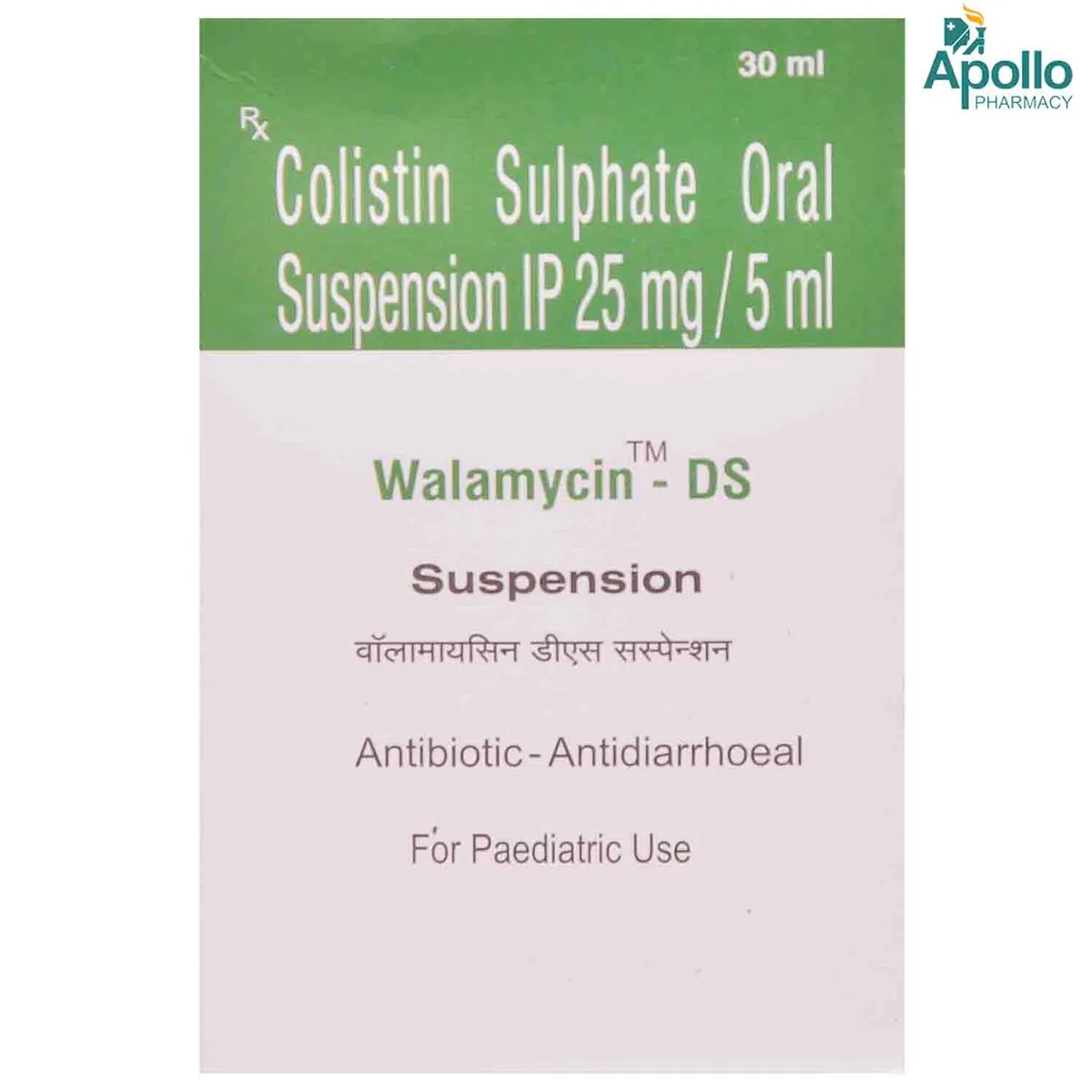
Walamycin DS Suspension is used in the treatment of bacterial infections in the stomach, bowel, and intestines of children. It contains Colistin Sulphate, which works by damaging bacterial cell membranes that are essential for their survival. Thus, it kills bacteria and helps to treat bacterial infections. Give It to your child as prescribed by the doctor. This medication may cause side effects such as nausea, vomiting, loss of appetite and stomach upset. Most of these side effects do not require medical attention and gradually resolve over time. However, if the side effects persist or worsen, please consult your doctor.

Read more
Written By Veda Maddala , M Pharmacy
Reviewed By Dr Aneela Siddabathuni , MPharma., PhD
OffersOffers & Discounts

Get Free delivery (₹99) with circle icon

Join Circle
coupon
Get Extra 18% Off with Coupons
coupon
Extra 10% Off with Bank Offers
bank offer
bank offer
bank offer

More about the Product

Manufacturer/Marketer :

Wallace Pharmaceuticals Pvt Ltd

Consume Type :

Oral

Expires on or after :

Jan-27

Return Policy :

Not Returnable

About Walamycin DS Suspension

Walamycin DS Suspension is an oral prescription antibiotic used to treat certain bacterial infections of the intestines, such as bacterial diarrhea and infectious gastroenteritis. Gut infections can be uncomfortable and disruptive, often causing diarrhea, stomach cramps, bloating, and weakness. Walamycin DS Suspension works mainly inside the intestines to kill the harmful bacteria causing the infection and help restore your digestive health.

For the best results, take Walamycin DS Suspension exactly as prescribed by your doctor and complete the full course of treatment, even if you start feeling better. You can take Walamycin DS Suspension with or without food, as advised by your doctor. Eating light, easy-to-digest foods and drinking plenty of fluids may also help support your recovery.

Most people tolerate Walamycin DS Suspension well, although some may experience mild side effects such as nausea, stomach discomfort, abdominal cramps, or loss of appetite. These effects are usually temporary. However, if you develop swelling of the face, lips, tongue, or throat, difficulty breathing, severe skin rash, or persistent bloody diarrhea, seek emergency medical care immediately, as these may be signs of a serious allergic reaction or severe intestinal condition.

Do not take Walamycin DS Suspension if you are allergic to Walamycin DS Suspension, polymyxin antibiotics, or any of its ingredients. Before starting treatment, tell your doctor if you have kidney disease, severe inflammatory bowel disease, or any condition that damages the lining of your intestines, as these conditions may increase the amount of medicine absorbed into your bloodstream. Your doctor will decide whether Walamycin DS Suspension is suitable for you and monitor you if needed.

Walamycin DS Suspension is considered a last-resort antibiotic for certain difficult-to-treat bacterial infections. To help reduce antibiotic resistance, it should only be used under close medical supervision and exactly as prescribed. Always inform your doctor about all prescription medicines, over-the-counter medicines, and herbal supplements you are taking. If you are pregnant, breastfeeding, elderly, or caring for a child, consult your doctor before starting Walamycin DS Suspension.

Uses of Walamycin DS Suspension

Walamycin DS Suspension is used in the treatment of Bacterial infections. The detailed uses of Walamycin DS Suspension are as follows:

  • Bacterial diarrhea: It targets and eliminates the specific bacteria in the gut responsible for causing severe watery stools.
  • Infectious gastroenteritis: It helps clear bacterial infections that cause painful inflammation of the stomach and intestinal lining.

Key Benefits

Walamycin DS Suspension helps treat certain bacterial infections of the intestines by acting directly where the infection is present. Controlling harmful bacteria in the gut helps relieve digestive symptoms and supports recovery.
Benefits may include:

  • Helps treat susceptible bacterial infections of the intestines.
  • Relieves symptoms such as diarrhoea, stomach cramps, bloating, and frequent bowel movements.
  • Works mainly within the intestines, providing targeted antibacterial action with minimal absorption into the bloodstream.
  • Supports recovery of normal bowel function and digestive health.
  • Helps restore strength and hydration as the intestinal infection improves.
  • Completing the full course helps clear the infection effectively and reduces the risk of antibiotic resistance.
     
Side effects of Walamycin DS Suspension 30 ml
Here are the precise steps to cope with diarrhoea caused by medication usage:
  • Inform Your Doctor: Notify your doctor immediately about your diarrhoea symptoms. This allows them to adjust your medication or provide guidance on managing side effects.
  • Stay Hydrated: Drink plenty of fluids to replace lost water and electrolytes. Choose water, clear broth, and electrolyte-rich drinks. Avoid carbonated or caffeinated beverages to effectively rehydrate your body.
  • Follow a Bland Diet: Eat easy-to-digest foods to help firm up your stool and settle your stomach. Try incorporating bananas, rice, applesauce, toast, plain crackers, and boiled vegetables into your diet.
  • Avoid Trigger Foods: Steer clear of foods that can worsen diarrhoea, such as spicy, fatty, or greasy foods, high-fibre foods, and dairy products (especially if you're lactose intolerant).
  • Practice Good Hygiene: Maintain good hygiene to prevent the spread of infection. To stay healthy, wash your hands frequently, clean and disinfect surfaces regularly, and avoid exchanging personal belongings with others.
  • Take Anti-Diarrheal Medications: If your doctor advises, anti-diarrheal medications such as loperamide might help manage diarrhoea symptoms. Always follow your doctor's directions.
  • Keep track of your diarrhoea symptoms. If they don't get better or worse or are accompanied by severe stomach pain, blood, or dehydration signs (like extreme thirst or dark urine), seek medical help.
  • Drink water or other clear fluids.
  • To prevent worsening of pain, limit intake of tea, coffee, or alcohol.
  • Include bland foods like rice, toast, crackers, and rice in your diet.
  • Avoid lying down immediately after eating as it may cause indigestion or heartburn.
  • Avoid acidic and spicy food as it may cause indigestion.
To prevent, manage, and treat Constipation caused by medication usage, follow these steps:
  • Preventing Vomiting (Before it Happens)
  • Take medication exactly as prescribed by your doctor. This can help minimize side effects, including vomiting.
  • Having a small meal before taking your medication can help reduce nausea and vomiting.
  • Talk to your doctor about taking anti-nausea medication along with your prescribed medication.
  • Managing Vomiting (If it Happens)
  • Try taking ginger in the form of tea, ale, or candy to help alleviate nausea and vomiting.
  • What to Do if Vomiting Persists
  • Consult your doctor if vomiting continues or worsens, consult the doctor for guidance on adjusting your medication or additional treatment.
Here are the steps to cope with constipation as a side effect of medication:
  • Inform your doctor about your constipation symptoms. They may adjust your medication or advise alternative treatments.
  • Stay hydrated by drinking sufficient of water (at least 8-10 glasses a day) to help soften stool and promote bowel movements.
  • Increase fibre intake by eating foods high in fibre, such as fruits, whole grains, vegetables and legumes, to help bulk up the stool.
  • Establish a bowel routine by trying to go to the bathroom at the same time each day to train your bowels.
  • Engaging in regular exercise, like walking or yoga, can support in bowel movement stimulation.
  • Consult your doctor if constipation persists, and discuss alternative treatments or adjustments to your medication.
Overcome Medication-Induced Nausea: A 9-Step Plan
  • Inform your doctor about the nausea and discuss possible alternatives to the medication or adjustments to the dosage.
  • Divide your daily food intake into smaller, more frequent meals to reduce nausea.
  • Opt for bland, easily digestible foods like crackers, toast, plain rice, bananas, and applesauce.
  • Avoid certain foods that can trigger nausea, such as fatty, greasy, spicy, and smelly foods.
  • Drink plenty of fluids, such as water, clear broth, or electrolyte-rich beverages like coconut water or sports drinks.
  • Use ginger (tea, ale, or candies) to help relieve nausea.
  • Get adequate rest and also avoid strenuous activities that can worsen nausea.
  • Talk to your doctor about taking anti-nausea medication if your nausea is severe.
  • Record when your nausea occurs, what triggers it, and what provides relief to help you identify patterns and manage your symptoms more effectively.
  • Rest well; get enough sleep.
  • Eat a balanced diet and drink enough water.
  • Manage stress with yoga and meditation.
  • Limit alcohol and caffeine.
  • Physical activities like walking or jogging might help boost energy and make you feel less tired.

Directions for Use

  • Walamycin DS Suspension can be given to your child with food to avoid stomach upset.
  • Follow the doctor’s instructions regarding the required dosage and timing of this medication, and use it as per the instructions on the label.
  • Shake the bottle well to loosen the powder.
  • Twist open the enclosed plastic ampoule containing sterile water and add to the ring mark on the bottle to reconstitute the powder. Shake well to form a reconstituted suspension. Add more sterile water if required to make up to the mark.
  • Give the prescribed dose to your child by mouth using the measuring cup/dosing syringe/dropper provided with the pack.
  • The reconstituted suspension should be stored below 15°C and used within 7 days of preparation.

How Walamycin DS Suspension Works

Walamycin DS Suspension is an antibiotic that helps treat certain serious bacterial infections by damaging the protective outer layer of bacteria, causing them to die. When taken by mouth, it mainly works inside the intestines, helping treat bacterial infections in the gut while limiting its effects on the rest of the body. It should be used only as prescribed to help maintain its effectiveness against difficult-to-treat bacteria.
bannner image

Alcohol

Not applicable

-

bannner image

Pregnancy

Not applicable

-

bannner image

Breast Feeding

Not applicable

-

bannner image

Driving

Not applicable

-

bannner image

Liver

Consult your doctor

If your child is suffering from liver disease, inform your doctor before using Walamycin DS Suspension.

bannner image

Kidney

Consult your doctor

If your child is suffering from kidney disease, inform your doctor before using Walamycin DS Suspension.

bannner image

Children

Safe if prescribed

Walamycin DS Suspension should be used for children in dose and duration as the doctor advises.

bannner image

Heart

Caution

Walamycin DS Suspension should be used with caution in children with heart problems, as it may cause side effects like dizziness, neurotoxicity, or electrolyte imbalance. Always consult a pediatrician before use to ensure it's safe for your child's condition.

bannner image

Geriatrics

Not applicable

Walamycin DS Suspension is specifically for children use and is not meant for geriatric patients.

What if I have taken an overdose of Walamycin DS Suspension

If you suspect an accidental overdose, seek immediate medical attention or contact a poison control center right away, even if there are no immediate symptoms.

Diet & Lifestyle Advise

  • Stay hydrated: Drink plenty of fluids, such as oral rehydration solutions, clear broths, and water, to replace fluids lost from diarrhea.
  • Eat a bland diet: Stick to easy-to-digest foods like bananas, plain white rice, applesauce, and plain toast during your recovery.
  • Avoid irritants: Steer clear of spicy foods, dairy products, caffeine, alcohol, and high-fat meals until your stomach completely heals.
  • Practice strict hygiene: Wash your hands thoroughly with soap and water after using the restroom and before eating to prevent spreading the infection to others.
health query

Have a query?

How Soon It Starts Working

The time required for Walamycin DS Suspension to start to work: The time required for Walamycin DS Suspension to show its action is not clinically established. The time for which the effects of Walamycin DS Suspension last: The duration of action for Walamycin DS Suspension is not clinically established.

What if you forget to take Walamycin DS Suspension

If you miss a dose, take it as soon as you remember. However, if it is almost time for your next scheduled dose, skip the missed one and continue with your regular schedule. Do not take a double dose to make up for a missed one.

Storage

•Store the dry powder or tablets at controlled room temperature, away from direct sunlight, excess heat, and moisture •Keep the container tightly closed when not in use. Always store Walamycin DS Suspension out of the reach of children and pets.

Drug Warnings

  • Take Walamycin DS Suspension exactly as prescribed: Walamycin DS Suspension should only be used under medical supervision. Do not take it without a prescription or use it to treat viral illnesses such as viral gastroenteritis.
  • Complete the full course of treatment: Continue taking Walamycin DS Suspension for the entire prescribed duration, even if your symptoms improve, to help prevent the infection from returning and reduce antibiotic resistance.
  • Use antibiotics responsibly: Walamycin DS Suspension is a last-resort antibiotic for certain difficult-to-treat bacterial infections and should only be used when clearly indicated by your doctor.
  • Watch for severe allergic reactions: Stop taking Walamycin DS Suspension and seek immediate medical attention if you develop swelling of the face, lips, tongue, or throat, difficulty breathing, or a severe skin rash.
  • Inform your doctor about bowel disease: Tell your healthcare provider if you have severe inflammation or damage to your intestines, as more of Walamycin DS Suspension may be absorbed into your bloodstream and closer monitoring may be required.
  • Monitor your symptoms: Contact your doctor if your diarrhea does not improve within 48 to 72 hours, becomes worse, or if you develop bloody stools, persistent fever, or signs of severe dehydration.
  • Do not share your medication: Never give Walamycin DS Suspension to another person, even if they have similar symptoms.
  • Inspect Walamycin DS Suspension before use: If you are using the liquid suspension, do not use it if you notice discoloration, leakage, or visible particles in the bottle.

Drug-Drug Interactions

verifiedApollotooltip

  • Other medicines: Oral Walamycin DS Suspension is absorbed only in very small amounts from the digestive tract, so significant interactions with most medicines are uncommon.
ColistinBCG vaccine
Critical

Drug-Drug Interactions

Login/Sign Up

ColistinBCG vaccine
Critical
How does the drug interact with Walamycin DS Suspension 30 ml:
Coadministration of Walamycin DS Suspension 30 ml along with BCG vaccine can reduce the treatment outcomes.

How to manage the interaction:
Taking Walamycin DS Suspension 30 ml with BCG vaccine is avoided as it may lead to an interaction, please consult your doctor before taking it.
How does the drug interact with Walamycin DS Suspension 30 ml:
Combining Walamycin DS Suspension 30 ml with Tenofovir alafenamide may increase the risk of kidney problems.

How to manage the interaction:
Although there is a possible interaction between Walamycin DS Suspension 30 ml and Tenofovir alafenamide, you can take these medicines together if prescribed by your doctor. However, consult a doctor if you experience an upset stomach, rash, dizziness, or fever. Do not stop using any medications without a doctor's advice.
ColistinPipecuronium bromide
Severe
How does the drug interact with Walamycin DS Suspension 30 ml:
Coadministration of Pipecuronium bromide with Walamycin DS Suspension 30 ml may increase the risk of side effects.

How to manage the interaction:
Although there is a possible interaction between Walamycin DS Suspension 30 ml and pipecuronium bromide, you can take these medicines together if prescribed by your doctor. However, if you experience an upset stomach, Rash, Dizziness, or Fever, consult a doctor. Do not stop using any medications without a doctor's advice.
ColistinCisatracurium
Severe
How does the drug interact with Walamycin DS Suspension 30 ml:
Coadministration of Cisatracurium with Walamycin DS Suspension 30 ml may increase the risk of side effects of Cisatracurium.

How to manage the interaction:
Although there is a possible interaction of Cisatracurium with Walamycin DS Suspension 30 ml, it can be taken if prescribed by your doctor. However, if you experience an upset stomach, Rash, Dizziness, Slurred speech, Vertigo, or Fever, consult a doctor. Do not stop using any medications without a doctor's advice.
How does the drug interact with Walamycin DS Suspension 30 ml:
Coadministration of Tobramycin with Walamycin DS Suspension 30 ml can increase the blood levels and risk of Walamycin DS Suspension 30 ml side effects.

How to manage the interaction:
Although there is a possible interaction between Walamycin DS Suspension 30 ml and Tobramycin, you can take these medicines together if prescribed by your doctor. However, if you experience, shortness of breath, muscle pain, dizziness, or palpitations, contact your doctor immediately. Do not stop using any medications without a doctor's advice.
How does the drug interact with Walamycin DS Suspension 30 ml:
Combining Walamycin DS Suspension 30 ml with Adefovir dipivoxil may decrease Walamycin DS Suspension 30 ml's excretion rate, which could result in a higher serum level.

How to manage the interaction:
Although there is a possible interaction between Walamycin DS Suspension 30 ml and Adefovir dipivoxil, you can take these medicines together if prescribed by your doctor. However, if you experience any irregular urination, swelling, shortness of breath, muscle pain, dizziness, or palpitations call your doctor right away. Do not stop using any medications without a doctor's advice.
How does the drug interact with Walamycin DS Suspension 30 ml:
Co-administration of Walamycin DS Suspension 30 ml with Gentamicin can increase the levels and risk of Walamycin DS Suspension 30 ml side effects.

How to manage the interaction:
Although there is a possible interaction between Walamycin DS Suspension 30 ml and Gentamicin, you can take these medicines together if prescribed by your doctor. However, if you experience weight gain or loss suddenly, muscle pain, dizziness, or palpitations, call your doctor right away. Do not stop using any medications without a doctor's advice.
How does the drug interact with Walamycin DS Suspension 30 ml:
Coadministration of Walamycin DS Suspension 30 ml with Kanamycin can increase the level and risk of Walamycin DS Suspension 30 ml side effects.

How to manage the interaction:
Although there is a possible interaction between Walamycin DS Suspension 30 ml and Kanamycin, you can take these medicines together if prescribed by your doctor. However, if you experience shortness of breath, swelling, muscle pain, dizziness, or palpitations call your doctor right away. Do not stop using any medications without a doctor's advice.
How does the drug interact with Walamycin DS Suspension 30 ml:
Using Vecuronium with Walamycin DS Suspension 30 ml can make Vecuronium more effective in therapy.

How to manage the interaction:
Although there is a possible interaction between Walamycin DS Suspension 30 ml and Vecuronium, you can take these medicines together if prescribed by your doctor. However, if you experience an upset stomach, rash, dizziness, or fever, consult a doctor. Do not stop using any medications without a doctor's advice.
How does the drug interact with Walamycin DS Suspension 30 ml:
Using Pancuronium with Walamycin DS Suspension 30 ml can increase the risk of developing side effects.

How to manage the interaction:
Although there is a possible interaction between Walamycin DS Suspension 30 ml and Pancuronium, you can take these medicines together if prescribed by your doctor. However, if you experience an upset stomach, rash, dizziness, or fever, consult a doctor. Do not stop using any medications without a doctor's advice.

Drug-Food Interactions

verifiedApollotooltip
  • No clinically significant food interactions are known with Walamycin DS Suspension when used as directed.
No Drug - Food interactions found in our database. Some may be unknown. Consult your doctor for what to avoid during medication.

Drug-Food Interactions

Login/Sign Up

Habit Forming

No

Therapeutic Class

[ANTIBIOTICS]

FAQs

Walamycin DS Suspension contains Colistin Sulphate, which works by damaging bacterial cell membranes that are essential for their survival. Thus, it kills bacteria and helps to treat bacterial infections.
Walamycin DS Suspension is an oral antibiotic used to treat certain bacterial infections of the intestines, such as bacterial diarrhea and infectious gastroenteritis. It does not work against viral infections like viral stomach flu, so it should only be used when prescribed by your doctor.
No. Even if you start feeling better, continue taking Walamycin DS Suspension for the full course prescribed by your doctor. Stopping treatment too early may allow the bacteria to survive, causing the infection to return and increasing the risk of antibiotic resistance.
No. Walamycin DS Suspension only treats certain bacterial infections. It is not effective against viral infections such as viral gastroenteritis (stomach flu). Your doctor will determine whether your illness is caused by bacteria and whether Walamycin DS Suspension is appropriate.
If you are pregnant, planning to become pregnant, or breastfeeding, tell your doctor before taking Walamycin DS Suspension. Your doctor will carefully weigh the expected benefits against any possible risks before recommending Walamycin DS Suspension.
Shake the bottle well before each dose and always use the measuring cup, oral syringe, or measuring spoon provided with Walamycin DS Suspension. Do not use household teaspoons because they may not measure the correct dose.
It is best to avoid alcohol while recovering from a gut infection because it may worsen stomach irritation, dehydration, nausea, and diarrhea. Drinking plenty of fluids and following your doctor's dietary advice will help support your recovery.
Take the missed dose as soon as you remember. If it is nearly time for your next scheduled dose, skip the missed dose and continue with your regular schedule. Do not take two doses together to make up for a missed dose.
Oral Walamycin DS Suspension is absorbed only in very small amounts from the digestive tract, so the risk of kidney damage is very low when it is taken as prescribed. However, if you have kidney disease or severe bowel conditions, your doctor may recommend closer monitoring during treatment.
Seek emergency medical care immediately if you develop swelling of the face, lips, tongue, or throat, difficulty breathing, severe skin rash, persistent bloody diarrhea, severe dizziness, or fainting.
Completing the full course helps remove all the bacteria causing the infection, even if you start feeling better earlier. Stopping treatment too soon may allow some bacteria to survive, increasing the chance of the infection returning and contributing to antibiotic resistance, making future infections more difficult to treat.
Some people may benefit from probiotics during or after antibiotic treatment to help restore the natural balance of healthy bacteria in the gut. However, not everyone needs them. Ask your doctor or pharmacist whether a probiotic is suitable for you and when it should be taken during your treatment.

Disclaimer

While we strive to provide complete, accurate, and expert-reviewed content on our 'Platform', we make no warranties or representations and disclaim all responsibility and liability for the completeness, accuracy, or reliability of the aforementioned content. The content on our platform is for informative purposes only, and may not cover all clinical/non-clinical aspects. Reliance on any information and subsequent action or inaction is solely at the user's risk, and we do not assume any responsibility for the same. The content on the Platform should not be considered or used as a substitute for professional and qualified medical advice. Please consult your doctor for any query pertaining to medicines, tests and/or diseases, as we support, and do not replace the doctor-patient relationship.

Reference

  1. Colistin sulphate. [Accessed on 28 Mar. 2019]Check here
  2. Comxtin Dry Syrup. [Accessed on 02 Jun. 2026]Check here
  3. Clinical Reference Document. [Accessed on 02 Jun. 2026]Check here
  4. Colistin Sulphate Colistin Sulphate. [Accessed on 15 Apr. 2026]Check here
  5. Ministry of Health and Family Welfare. National Formulary of India (NFI) 2021. 6th ed. New Delhi, India: IPC; 2021. Clinical Drug Monographs: Walamycin Suspension

Country of origin

INDIA

Manufacturer/Marketer address

Wallace Pharmaceuticals Pvt. Ltd., 3rd Floor, Dempo Trade Centre Bldg., Patto Plaza, EDC Complex, Panaji 403001, Goa, India.
Other Info - WAL0003
whatsapp Floating Button
Buy Now
Add to Cart