Apollo
logo
Select Delivery Location
prescription
Prescription Medicine
info
Best Price

₹142 with coupons & bank offers*

View

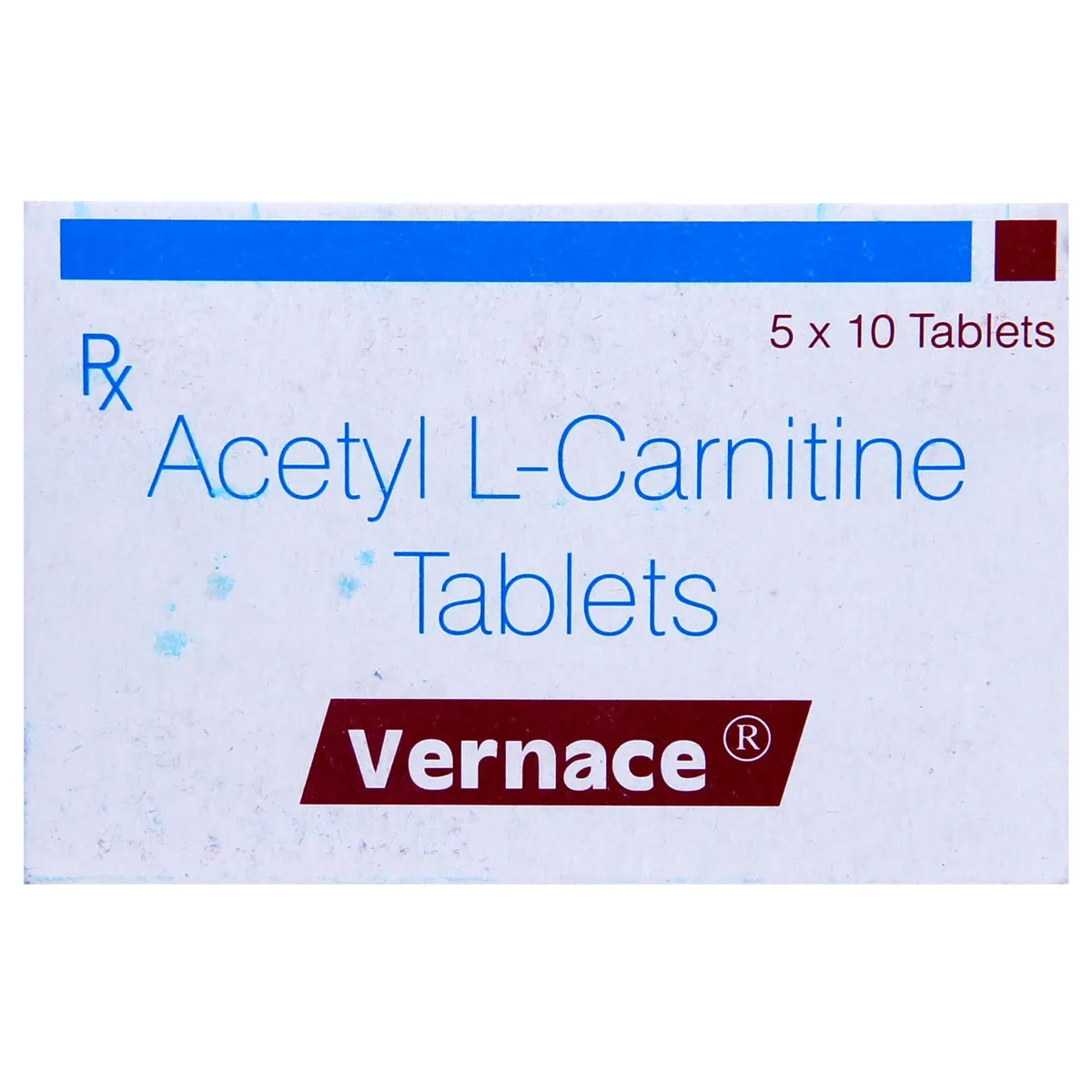
Vernace Tablet is used to treat nutritional deficiencies and carnitine deficiency. It helps support healthy brain function and improves energy production in the body. It also helps reduce weakness and fatigue.

Read more
Written By Veda Maddala , M Pharmacy
Reviewed By Santoshini Reddy G , M Pharmacy
OffersOffers & Discounts

Get Free delivery (₹99) with circle icon

Join Circle
coupon
Get Extra 18% Off with Coupons
coupon
Extra 10% Off with Bank Offers
bank offer
bank offer
bank offer

More about the Product

Manufacturer/Marketer :

Sun Pharmaceutical Industries Ltd

Consume Type :

Oral

Expires on or after :

Jan-27

Return Policy :

Not Returnable

About Vernace Tablet

Vernace Tablet contains acetyl L-carnitine, a compound that occurs naturally in the body and is involved in energy production. In many countries, including India, it is classified as a nutraceutical or dietary supplement rather than a conventional prescription medicine. It may be recommended by your doctor to support the management of certain conditions, such as diabetic nerve pain, and it is also being studied for its potential role in supporting memory and brain health. Some of these uses are supported by stronger evidence than others.

Take Vernace Tablet exactly as directed by your doctor or as instructed on the product label. It may be taken with or without food, although taking it with food may help reduce stomach upset. If it is beneficial for your condition, noticeable improvements may take several weeks to develop. Your doctor may review your symptoms during follow-up visits to assess how well the supplement is working and whether you should continue taking it.

Some people may experience mild side effects such as nausea, stomach discomfort, dry mouth, headache, or difficulty sleeping. These side effects are usually temporary. Stop taking Vernace Tablet and seek medical attention immediately if you develop signs of a severe allergic reaction, such as swelling of the face, lips, tongue, or throat, or difficulty breathing.

Before taking Vernace Tablet , tell your doctor if you have a history of seizures, kidney disease, or an underactive thyroid. Do not take this supplement if you have previously had an allergic reaction to acetyl L-carnitine or any of its ingredients. If you are pregnant, planning to become pregnant, or breastfeeding, consult your doctor before using this supplement.

Uses of Vernace Tablet

Vernace Tablet may be recommended to help manage the following conditions:

  • Diabetic nerve pain: May help relieve symptoms such as burning, tingling, numbness, and pain associated with diabetic peripheral neuropathy.
  • Age-related cognitive decline: May help support memory and mental function in some older adults with mild age-related cognitive decline. Evidence varies, and it should be used under medical guidance.
  • Depression in older adults: Some studies suggest acetyl L-carnitine may help improve symptoms of depression in certain older adults. However, the evidence is limited, and it should only be used if recommended by your doctor as part of an overall treatment plan.

Key Benefits

When taken as directed, Vernace Tablet may provide the following benefits:

  • Helps Relieve Diabetic Nerve Pain: May help reduce burning, tingling, numbness, and discomfort caused by diabetic nerve damage.
  • Supports Nerve Function: Research suggests acetyl L-carnitine may help support healthy nerve function and may contribute to nerve recovery in some people.
  • May Support Memory and Brain Health: May help support memory, attention, and mental function in some older adults, although the benefits can vary between individuals.
  • Supports Cellular Energy Production: Helps transport fatty acids into cells to support energy production, which is important for the normal function of nerves and other tissues.
Side effects of Vernace Tablet
To prevent, manage, and treat Constipation caused by medication usage, follow these steps:
  • Preventing Vomiting (Before it Happens)
  • Take medication exactly as prescribed by your doctor. This can help minimize side effects, including vomiting.
  • Having a small meal before taking your medication can help reduce nausea and vomiting.
  • Talk to your doctor about taking anti-nausea medication along with your prescribed medication.
  • Managing Vomiting (If it Happens)
  • Try taking ginger in the form of tea, ale, or candy to help alleviate nausea and vomiting.
  • What to Do if Vomiting Persists
  • Consult your doctor if vomiting continues or worsens, consult the doctor for guidance on adjusting your medication or additional treatment.
Here's a comprehensive approach to managing medication-triggered fever:
  • Inform your doctor immediately if you experience a fever after starting a new medication.
  • Your doctor may adjust your medication regimen or dosage as needed to minimize fever symptoms.
  • Monitor your body temperature to monitor fever progression.
  • Drink plenty of fluids, such as water or electrolyte-rich beverages, to help your body regulate temperature.
  • Get plenty of rest and engage in relaxation techniques, such as deep breathing or meditation, to help manage fever symptoms.
  • Under the guidance of your doctor, consider taking medication, such as acetaminophen or ibuprofen, to help reduce fever.
  • If your fever is extremely high (over 103°F), or if you experience severe symptoms such as confusion, seizures, or difficulty breathing, seek immediate medical attention.
Dealing with Medication-Induced Headache:
  • Hydrate your body: Drink enough water to prevent dehydration and headaches.
  • Calm Your Mind: Deep breathing and meditation can help you relax and relieve stress.
  • Rest and Recharge: Sleep for 7-8 hours to reduce headache triggers.
  • Take rest: lie down in a quiet, dark environment.
  • Cold or warm compresses can help reduce tension.
  • Stay Upright: Maintain good posture to keep symptoms from getting worse.
  • To treat headaches naturally, try acupuncture or massage therapy.
  • Over-the-counter pain relievers include acetaminophen and ibuprofen.
  • Prescription Assistance: Speak with your doctor about more substantial drug alternatives.
  • Severe Headaches: Seek emergency medical assistance for sudden, severe headaches.
  • Frequent Headaches: If you get reoccurring headaches, consult your doctor.
  • Headaches with Symptoms: Seek medical attention if your headaches include fever, disorientation, or weakness.
  • Stay hydrated by drinking plenty of water.
  • Avoid dairy product such as cheese, milk, yogurt and ice cream.
  • Maintain healthy weight and exercise daily.
  • Following a low-calcium diet can help reduce hypercalcemia symptoms.
Here are the steps to manage the medication-triggered Tachycardia (Fast Heart Rate):
  • Contact your doctor immediately if you're experiencing a fast heart rate, palpitations, or other heart-related symptoms. This is crucial to determine whether the symptoms are related to your medication.
  • Your doctor may need to adjust your medication regimen to alleviate the fast heart rate symptoms. This could involve changing the medication, reducing the dosage, or adding new medications to counteract the side effects.
  • Follow your doctor's advice on monitoring your heart rate and blood pressure. This will help track any changes and ensure your heart rate returns normal.
  • If you experience severe symptoms such as chest pain, dizziness, or shortness of breath, seek immediate medical attention. These symptoms can indicate a more serious condition that requires prompt treatment.
Here are the 7 steps to manage Dizziness caused by medication:
  • Inform your doctor about dizziness symptoms. They may adjust your medication regimen or prescribe additional medications to manage symptoms.
  • Follow your doctor's instructions for taking medication, and take it at the same time every day to minimize dizziness.
  • When standing up, do so slowly and carefully to avoid sudden dizziness.
  • Avoid making sudden movements, such as turning or bending quickly, which can exacerbate dizziness.
  • Drink plenty of water throughout the day to stay hydrated and help alleviate dizziness symptoms.
  • If you're feeling dizzy, sit or lie down and rest until the dizziness passes.
  • Track when dizziness occurs and any factors that may trigger it, and share this information with your doctor to help manage symptoms.
  • Include iron-rich foods like dark leafy vegetables, lean red meat, legumes and fish in your diet.
  • Consume vitamin C-rich foods as they aid iron absorption.
  • Limit tea, cocoa, and coffee as these can slow iron absorption.
  • Exercise regularly; however, do not overdo it.

Directions for Use

  • Vernace Tablet can be taken with or without food. However, taking it with a meal may help improve its absorption.
  • Follow your doctor's recommendations on the dosage and timing of this medication to achieve optimal results.
  • Swallow Vernace Tablet as a whole with a glass of water.
  • Do not crush, chew, or break it.

How Vernace Tablet Works

Vernace Tablet contains acetyl L-carnitine, a form of L-carnitine that helps transport fatty acids into the cells, where they are converted into energy. This process is particularly important for cells with high energy needs, such as nerve cells and brain cells. Research suggests that acetyl L-carnitine may help support healthy nerve function by improving cellular energy production and reducing oxidative stress (damage caused by harmful molecules called free radicals). Some studies also suggest it may support nerve repair and help reduce nerve pain, although the degree of benefit can vary between individuals. Acetyl L-carnitine can also cross into the brain, where research suggests it may help support the activity of certain brain chemicals involved in learning, memory, and mood. However, evidence for its benefits in memory problems and depression is still limited, and more research is needed to confirm its long-term effectiveness.
bannner image

Alcohol

Caution

There is limited data on the effects of alcohol consumption with Vernace Tablet . It is advised to consult your doctor for more information.

bannner image

Pregnancy

Caution

Vernace Tablet should be taken only when prescribed by your doctor during pregnancy. Let your doctor know if you are pregnant or planning to conceive before taking Vernace Tablet .

bannner image

Breast Feeding

Caution

It is not known if Vernace Tablet is excreted into breast milk. Please consult your doctor before taking Vernace Tablet if you are breastfeeding.

bannner image

Driving

Safe if prescribed

No interactions were found/established.

bannner image

Liver

Caution

Let your doctor know if you have any history of liver diseases before taking Vernace Tablet .

bannner image

Kidney

Caution

Let your doctor know if you have any history of kidney diseases before taking Vernace Tablet .

bannner image

Children

Caution

Please consult your doctor before giving Vernace Tablet to children. Your doctor will decide if Vernace Tablet can be given to your child or not.

bannner image

Heart

Consult your doctor

Inform your doctor if you have any existing heart disease. Your doctor will prescribe this medicine only if the potential benefits outweigh the risks.

bannner image

Geriatrics

Consult your doctor

Vernace Tablet should be given to elderly patients only if prescribed by a doctor. If you have any concerns, please consult your doctor.

What if I have taken an overdose of Vernace Tablet

If you suspect an overdose, seek immediate medical attention. Symptoms of an overdose may include severe stomach upset, diarrhea, or a mild body odor.

Diet & Lifestyle Advise

  • Eat a balanced diet: Include plenty of vegetables, fruits, whole grains, lean proteins, and healthy fats to support your overall health and nerve function.
  • Manage your blood sugar: If you have diabetes, keep your blood sugar within your target range, as high blood sugar can worsen nerve damage over time.
  • Stay physically active: Aim for regular physical activity, such as walking, swimming, or cycling, to support your overall health and improve circulation.
  • Limit alcohol intake: Excessive alcohol can damage nerves and may reduce the potential benefits of acetyl L-carnitine. If you drink alcohol, do so in moderation or as advised by your doctor.
  • Get enough sleep: Good-quality sleep supports brain function, mood, and overall wellbeing.
health query

Have a query?

How Soon It Starts Working

  • The time required for Vernace Tablet to start to work: Vernace Tablet shows its action within 30 to 60 minutes of administration.
  • The time for which the effects of Vernace Tablet last: Vernace Tablet effect lasts for 8 to 12 hours.

What if you forget to take Vernace Tablet

If you miss a dose, take it as soon as you remember. However, if it is almost time for your next scheduled dose, skip the missed one and return to your regular schedule. Do not take a double dose to make up for a missed one.

Storage

•Store Vernace Tablet at room temperature, ideally between 20°C and 25°C (68°F to 77°F). •Keep the medication in its original container, tightly closed, to protect it from moisture and direct light.

Drug Warnings

  • Take it consistently: Take Vernace Tablet regularly as directed. If it is effective for your condition, you may notice improvement after several weeks of consistent use.
  • Tell your doctor about all medicines and supplements: Inform your doctor if you take blood thinners, thyroid medicines, L-carnitine or other nutritional supplements, or herbal products, as these may affect your treatment.
  • Use caution if you have a history of seizures: Acetyl L-carnitine may increase the risk of seizures in susceptible individuals. Tell your doctor if you have epilepsy or have had seizures in the past.
  • Monitor your symptoms: Consult your doctor if your symptoms worsen or if you do not notice any improvement after 8 to 12 weeks, as your treatment may need to be reviewed.
  • Attend follow-up appointments: Regular check-ups help your doctor assess whether Vernace Tablet is benefiting you and whether any changes to your treatment are needed.

Drug-Drug Interactions

verifiedApollotooltip
  • Blood thinners (such as warfarin): Acetyl L-carnitine may increase the effect of blood thinners, which can raise the risk of bruising or bleeding. Your doctor may monitor you more closely.
  • Thyroid hormone medicines: Acetyl L-carnitine may reduce the effects of thyroid hormone replacement medicines in some people. Tell your doctor if you are taking medicines for an underactive thyroid.
  • L-carnitine and other carnitine supplements: Taking multiple products containing carnitine may increase the risk of side effects. Check the labels of your supplements and consult your doctor before using them together.
No Drug - Drug interactions found in our data. We may lack specific data on this medicine and are actively working to update our database. Consult your doctor for personalized advice

Drug-Drug Interactions

Login/Sign Up

Drug-Food Interactions

verifiedApollotooltip
  • Food: Vernace Tablet may be taken with or without food. Taking it with food may help reduce stomach upset.
  • Alcohol: Excessive alcohol intake can worsen nerve damage and may reduce the potential benefits of acetyl L-carnitine. Limiting alcohol intake is recommended, especially if you have diabetic nerve pain.
No Drug - Food interactions found in our database. Some may be unknown. Consult your doctor for what to avoid during medication.

Drug-Food Interactions

Login/Sign Up

Habit Forming

No

Therapeutic Class

[AMINO ACID SUPPLEMENTS]

FAQs

Vernace Tablet is used to treat carnitine deficiency. It is also used to improve cognitive functions in various mental disorders, including Alzheimer's disease, age-related memory loss, depression, and mood problems related to alcoholism. It also helps with sperm motility (male menopause), nerve pain and damage in neuropathy.
Vernace Tablet is a dietary supplement that contains acetyl-L-carnitine, an amino acid. It works by replenishing carnitine levels in the body, thereby treating carnitine deficiency. Vernace Tablet also plays a role as a water-soluble vitamin, an antilipemic drug (lowers blood cholesterol), and a nootropic agent (improves cognitive function).
It is important to tell your doctor if you have an underactive thyroid (hypothyroidism), liver or kidney disease, diabetes, fits, bipolar disorder, and neuropathy. Let your doctor know if you have any other medical concerns before starting Vernace Tablet .
Vernace Tablet is best taken with a meal or within 30 minutes after a meal. For more information, please consult your doctor.
If you miss a dose, take it as soon as you remember. However, if it is time for the next scheduled dose, skip the missed dose and continue with your usual regimen.
The duration of taking Vernace Tablet varies depending on your health goals and individual needs. A daily regimen for 3-6 months is commonly recommended for cognitive support and memory enhancement. For neuropathic pain relief, a treatment period of 3-6 months may be suggested. However, it's crucial to consult a healthcare professional to determine an appropriate duration tailored to your specific needs, as they may recommend a different regimen based on your medical history and current health status.
No, Vernace Tablet is not a steroid. It contains acetyl-L-carnitine (ALC), an amino acid that supports energy production, cognitive function, and overall health.
A carnitine deficiency can arise from various factors, including inherited genetic disorders that disrupt carnitine production or transport. A diet lacking animal products, such as a strict vegetarian or vegan regimen, may also contribute to deficiency. Moreover, certain medical conditions like liver or kidney disease, pregnancy, and lactation can increase the risk of carnitine depletion. Additionally, malnutrition, starvation, and chronic illnesses like diabetes, cancer, or HIV can also lead to carnitine deficiency. If you suspect a carnitine deficiency or have concerns, consult a healthcare professional for personalized evaluation and guidance.
People with diabetic conditions can take Vernace Tablet , but with caution. Vernace Tablet may lower blood sugar levels and interact with diabetes medications, increasing the risk of hypoglycemia. To use Vernace Tablet safely, consult your doctor first. They will monitor your blood sugar levels, adjust your medication, and ensure safe usage.
The key ingredient in the Vernace Tablet is acetyl-L-carnitine, or ALC, an amino acid that helps produce energy.
Yes, there are some common side effects of Vernace Tablet , but they usually vanish over time. These may include stomach pain, nausea, vomiting, diarrhoea, dry mouth, headache, restlessness, and a fishy odour of the urine, breath, and sweat. These effects typically subside over time, but if they persist or worsen, consult your doctor for guidance on how to alleviate them.
Vernace Tablet may interact with certain medications, such as blood thinners (e.g., warfarin, acenocoumarol). This is not an exhaustive list, and it's essential to consult your physician before taking Vernace Tablet , especially if you're already taking medications or supplements, to ensure safe usage and avoid potential interactions.
If you have a history of seizures, it's essential to be cautious with Vernace Tablet . Vernace Tablet may lower the seizure threshold and potentially increase the risk of seizures in certain individuals. So, it's important to consult your doctor before starting this Vernace Tablet , especially if you have a history of seizures.
There is no strong evidence that acetyl L-carnitine causes weight gain. If you notice unexpected weight changes, consult your doctor, as other medical conditions or medicines may be responsible.
It is best to limit or avoid alcohol while taking this medicine. Excessive alcohol intake can worsen nerve damage, particularly in people with diabetes, and may reduce the potential benefits of acetyl L-carnitine. Limiting alcohol intake is recommended.
The safety of this medication during pregnancy or breastfeeding has not been fully established. If you are pregnant, planning to become pregnant, or breastfeeding, talk to your doctor before starting this medicine.
This medication is more likely to cause mild restlessness or increased energy rather than drowsiness. If you experience sleep disturbances, try taking it earlier in the day and talk to your doctor.
Dry mouth is a common, mild side effect. You can manage it by sipping water frequently, chewing sugarless gum, or sucking on sugar-free hard candies. If it persists or becomes bothersome, talk to your doctor.
You should not stop taking this medication without consulting your healthcare provider first, even if your symptoms improve. Stopping suddenly may cause your symptoms to return. Talk to your doctor to determine whether you should continue, reduce, or stop treatment based on your condition.

Disclaimer

While we strive to provide complete, accurate, and expert-reviewed content on our 'Platform', we make no warranties or representations and disclaim all responsibility and liability for the completeness, accuracy, or reliability of the aforementioned content. The content on our platform is for informative purposes only, and may not cover all clinical/non-clinical aspects. Reliance on any information and subsequent action or inaction is solely at the user's risk, and we do not assume any responsibility for the same. The content on the Platform should not be considered or used as a substitute for professional and qualified medical advice. Please consult your doctor for any query pertaining to medicines, tests and/or diseases, as we support, and do not replace the doctor-patient relationship.

Country of origin

India

Manufacturer/Marketer address

Sun Pharmaceutical Industries Ltd., SUN HOUSE, CTS No. 201 B/1, Western Express Highway, Goregaon (E), Mumbai 400063
Other Info - VER0053
whatsapp Floating Button
Buy Now
Add to Cart