Apollo
logo
Select Delivery Location
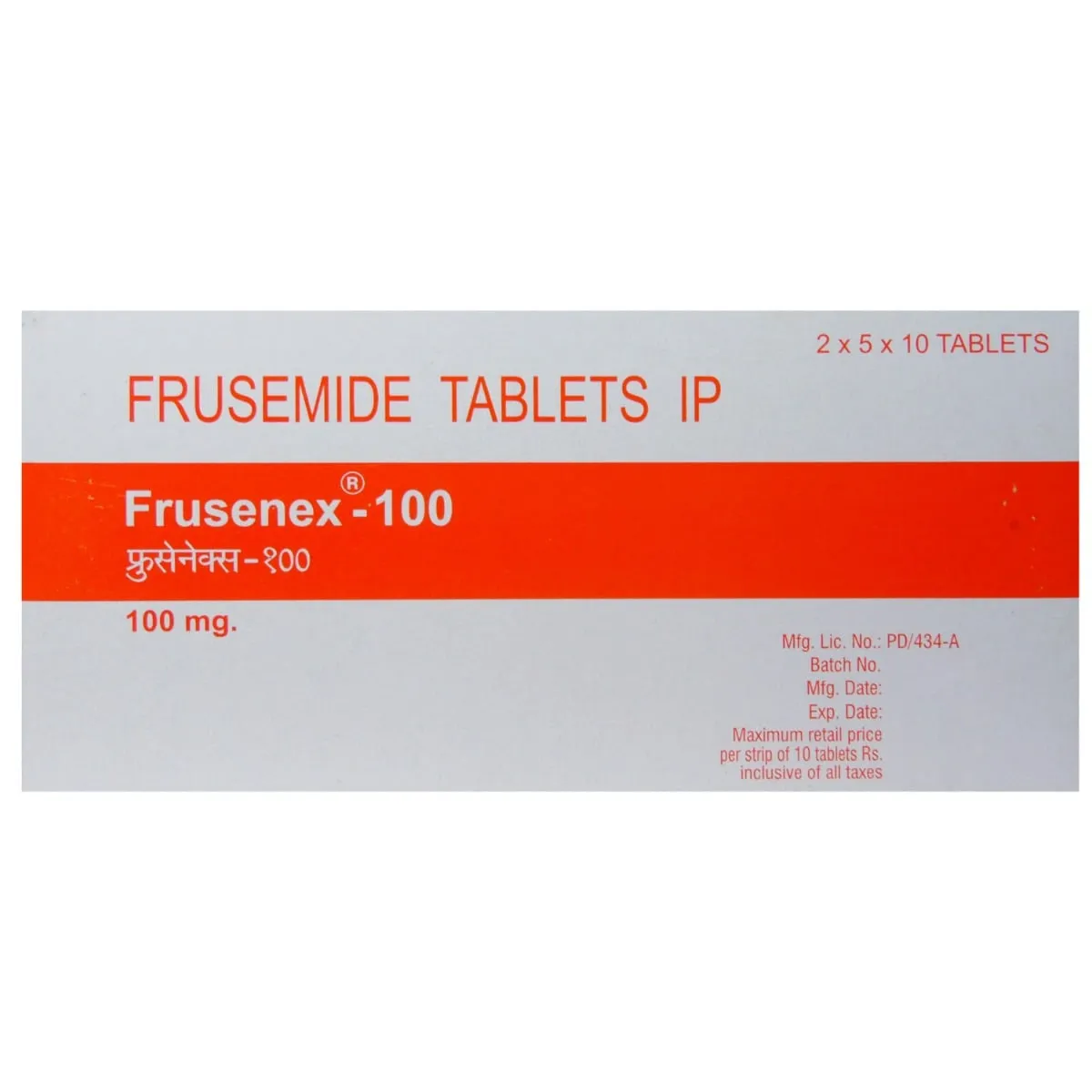
compositionComposition:FRUSEMIDE-100MG
prescription
Prescription Medicine
info

Frusenex 100 Tablet belongs to the class of loop diuretics. It is used to treat Oedema (swelling) and hypertension (high blood pressure). This medicine contains frusemide, which works by reducing the excess fluid levels in the body and thus reducing swelling. Common side effects include frequent urination, feeling thirsty, dry mouth, headache, nausea or vomiting, headache, confusion, and dizziness.

Read more
Written By Bayyarapu Mahesh Kumar , M Pharmacy
Reviewed By Dr Aneela Siddabathuni , MPharma., PhD
OffersOffers & Discounts

Get Free delivery (₹99) with circle icon

Join Circle
coupon
Get Extra 18% Off with Coupons
coupon
Extra 10% Off with Bank Offers
bank offer
bank offer
bank offer

More about the Product

Composition :

FRUSEMIDE-100MG

Manufacturer/Marketer :

Geno Pharmaceuticals Pvt Ltd

Consume Type :

Oral

Expires on or after :

Jan-27

Return Policy :

Not Returnable

About Frusenex 100 Tablet

Frusenex 100 Tablet is a prescription medicine used to reduce excess fluid buildup in the body, a condition known as oedema. It is commonly prescribed to treat swelling in the ankles, feet, legs, or abdomen caused by medical conditions such as heart failure, liver disease, or kidney disorders. It is also used to help manage high blood pressure.

To get the most benefit, you should take Frusenex 100 Tablet regularly at the same time each day, exactly as directed by your doctor. This medicine can be taken with or without food, though taking it with food may help prevent stomach upset. Your doctor may also suggest lifestyle changes, such as reducing your daily salt intake, to help this medicine work more effectively.

While taking Frusenex 100 Tablet , you may experience common side effects like increased urination, mild dizziness, or dry mouth. If you experience serious side effects, such as severe muscle cramps, extreme weakness, irregular heartbeat, or signs of an allergic reaction, you must consult your doctor immediately.

Before starting Frusenex 100 Tablet , tell your doctor if you have kidney problems, liver disease, gout, diabetes, or a history of electrolyte imbalances. Do not take this medicine if you are unable to pass urine or if you have a known severe allergy to it or to sulphur-containing medicines.

Taking Frusenex 100 Tablet with alcohol can lower your blood pressure too much, causing severe dizziness or fainting. Pregnant or breastfeeding women, as well as elderly individuals, should consult their doctor before using this medicine, as they may require close monitoring or specific dose adjustments.

Uses of Frusenex 100 Tablet

Frusenex 100 Tablet is used to treat fluid retention (oedema) and high blood pressure (hypertension). The detailed uses of Frusenex 100 Tablet are as follows:

  • Fluid retention (oedema): Frusenex 100 Tablet helps remove extra water and salt from the body, reducing swelling in the legs, ankles, abdomen, or lungs caused by heart, kidney, or liver conditions.
  • High blood pressure (hypertension): By helping the body eliminate excess fluid, Frusenex 100 Tablet relaxes blood vessels and lowers blood pressure, which helps prevent future strokes or heart attacks.

Key Benefits

Frusenex 100 Tablet helps remove excess fluid from the body and supports the management of high blood pressure. The key benefits of Frusenex 100 Tablet include:

  • Relief from swelling and discomfort: By removing excess fluid, Frusenex 100 Tablet helps relieve the uncomfortable swelling and heaviness in your legs and ankles, making it easier for you to move around comfortably.
  • Improved breathing: It helps clear fluid buildup from the lungs, which quickly relieves shortness of breath and makes breathing much easier, especially when lying down.
  • Cardiovascular protection: For those managing high blood pressure, it provides long-term protection for your heart and blood vessels, lowering your risk of serious cardiovascular events.
Side effects of Frusenex 100 Tablet
  • Consume controlled amounts of salt to raise sodium levels.
  • Eat fresh fruits like apples, berries, oranges, mangoes, and bananas.
  • Include fresh vegetables like broccoli, sweet potatoes, beets, okra, spinach, peppers, carrots, and edamame.
  • Choose frozen vegetables without added butter or sauce.
  • Drink electrolyte beverages like sports drinks or electrolyte solutions to replenish sodium and other electrolytes.
  • Avoid excessive salt intake, but allow for controlled increases as needed.
  • Monitor and manage underlying health conditions that may contribute to hyponatremia.
  • Let your doctor know if you experience symptoms such as fatigue, weakness, muscle cramps, or respiratory depression. Hyperchloremia may cause these.
  • Hyperchloremia is a condition in which the blood has an excessive level of chloride ions, which can disrupt the body's acid-base balance and lead to various complications.
  • Your doctor will thoroughly evaluate to determine if your medication is causing the hyperchloremia.
  • If your medication is found to be the cause, your doctor may adjust your medication regimen or switch you to alternative medicines.
  • To manage hyperchloremia, focus on consuming a balanced diet that is low in chloride-rich foods. Include potassium-rich foods like bananas, leafy greens, and sweet potatoes to help balance electrolyte levels.
  • Adopting a healthy lifestyle can help manage your condition. Aim for regular physical activity, stress-reducing techniques, and adequate sleep to help your body recover.
  • Regular monitoring and follow-ups with your doctor are crucial to managing your condition. Schedule check-ups as recommended by your doctor to monitor your symptoms and adjust your treatment plan as needed.
  • Talk to your doctor about oral potassium supplements.
  • Eat potassium rich foods such as bananas, avocados, oranges, dark leafy greens, beans and peas, fish, spinach, milk and tomatoes.
  • Drink plenty of water to eliminate uric acid.
  • Avoid purine-rich foods such as red meat, organ meats, certain seafood (sardines, anchovies) and too much alcohol.
  • Regularly do low impact exercises like swimming or walking.
  • To reduce pain and swelling, apply ice packs to the affected area.
  • Take rest and avoid activities that strain the affected joint.
  • Elevate the affected joint to encourage fluid drainage.
  • Aim for weight loss and maintain a healthy body weight to reduce the risk of gout.

Directions for Use

  • Frusenex 100 Tablet can be taken orally with or without food, or as directed by your physician.
  • It is best to avoid taking this medication within 4 hours of your bedtime to prevent having to get up to urinate.
  • Swallow the tablet whole with a full glass of water; do not crush, chew, or break it.

How Frusenex 100 Tablet Works

Frusenex 100 Tablet contains frusemide, a water pill (diuretic) that works directly in your kidneys. It targets specific areas within the kidneys to prevent them from holding onto excess salt and water. Instead of reabsorbing these elements back into your bloodstream, your kidneys filter them out into your urine. This process increases the amount of urine your body produces. By removing this extra fluid from your blood vessels and tissues, the pressure on your heart is reduced, swelling goes down, and your blood pressure lowers.
bannner image

Alcohol

Caution

You are recommended not to consume alcohol while using Frusenex 100 Tablet to avoid unpleasant side effects.

bannner image

Pregnancy

Caution

Frusenex 100 Tablet should not be used in pregnancy unless necessary. Your doctor will weigh the benefits and potential risks before prescribing Frusenex 100 Tablet to you. Please consult your doctor.

bannner image

Breast Feeding

Caution

Frusenex 100 Tablet should not be used in breastfeeding unless necessary. Your doctor will weigh the benefits and potential risks before prescribing Frusenex 100 Tablet . Please consult your doctor.

bannner image

Driving

Caution

Driving after taking Frusenex 100 Tablet is not recommended as it may occasionally cause drowsiness.

bannner image

Liver

Caution

Frusenex 100 Tablet to be taken with caution if you have a history of liver diseases/conditions. Your doctor may adjust the dose depending on your current liver condition.

bannner image

Kidney

Caution

Frusenex 100 Tablet to be taken with caution if you have a history of kidney diseases/conditions. Your doctor may adjust the dose depending on your condition.

bannner image

Children

Caution

Frusenex 100 Tablet can be used in children if prescribed by a doctor. The dose of this medicine will be decided by your doctor based on your child's age and body weight.

bannner image

Heart

Caution

Frusenex 100 Tablet should be taken with caution in patients with heart problems. Therefore, please inform your doctor before using Frusenex 100 Tablet .

bannner image

Geriatrics

Caution

Frusenex 100 Tablet should be given with caution in elderly patients due to an increased risk of side effects. It is important to inform a healthcare professional before use.

What if I have taken an overdose of Frusenex 100 Tablet

If you take too much Frusenex 100 Tablet , seek emergency medical help immediately. An overdose can cause severe dehydration, extreme weakness, confusion, or a dangerous drop in blood pressure. Keep the medicine packaging with you so healthcare professionals know exactly what you took.

Diet & Lifestyle Advise

  • Monitor your salt intake: Limit high-sodium foods, canned goods, and processed snacks, as excess salt causes your body to hold onto water and makes the medicine less effective.
  • Eat potassium-rich foods: Since this medicine can lower your potassium levels, your doctor may recommend eating foods like bananas, spinach, sweet potatoes, or oranges, or they may prescribe a potassium supplement.
  • Stand up slowly: To prevent dizziness or fainting when getting out of bed or a chair, stand up gradually to allow your blood pressure to adjust.
  • Keep track of your weight: Weigh yourself daily at the same time (preferably in the morning) and report any sudden weight gain of 2 to 3 pounds in a single day to your doctor, as this may indicate worsening fluid retention.
  • Stay hydrated as advised: Follow your doctor’s specific instructions regarding how much fluid you should drink daily, especially if you have heart or kidney conditions.
health query

Have a query?

How Soon It Starts Working

The time required for Frusenex 100 Tablet to start to work: Frusenex 100 Tablet ideally shows its action within 30 to 60 minutes of administration. The time for which the effects of Frusenex 100 Tablet last: Frusenex 100 Tablet effect lasts for approximately 6 to 8 hours.

What if you forget to take Frusenex 100 Tablet

If you miss a dose, take it as soon as you remember. However, if it is close to your next scheduled dose, or if it is late in the evening (which might disrupt your sleep due to urination), skip the missed dose and resume your regular schedule. Do not take a double dose to make up for a missed one.

Storage

•Store Frusenex 100 Tablet tablets at room temperature, ideally between 20°C and 25°C (68°F to 77°F).•Keep the tablets in their original packaging to protect them from direct light and moisture.

Drug Warnings

  • Get regular blood tests: Your doctor will need to check your kidney function and electrolyte levels (like potassium and sodium) regularly while you are taking Frusenex 100 Tablet .
  • Protect your skin from the sun: This medicine can make your skin more sensitive to sunlight, increasing your risk of severe sunburns; use sunscreen and wear protective clothing when outdoors.
  • Check your blood sugar: If you have diabetes, monitor your blood sugar closely, as Frusenex 100 Tablet can occasionally cause blood sugar levels to rise.
  • Avoid heavy machinery initially: Do not drive or operate machinery until you know how this medicine affects you, especially since it can cause dizziness.
  • Inform other healthcare providers: Always tell any doctor, dentist, or surgeon treating you that you are taking Frusenex 100 Tablet , especially before undergoing any surgical procedures.

Drug-Drug Interactions

verifiedApollotooltip
  • Lithium: Frusenex 100 Tablet can decrease the clearance of lithium from your body, significantly increasing the risk of lithium toxicity.
  • Pain relievers (NSAIDs): Medicines like ibuprofen or naproxen can reduce the fluid-clearing effects of Frusenex 100 Tablet and increase the risk of kidney damage.
  • Certain antibiotics: Taking this medicine with aminoglycoside antibiotics can increase the risk of permanent hearing damage.
  • Other blood pressure medicines: Combining these can cause your blood pressure to drop too low, resulting in severe dizziness.

Drug-Drug Interactions

Login/Sign Up

How does the drug interact with Frusenex 100 Tablet:
Taking Ziprasidone with Frusenex 100 Tablet can increase the risk of abnormal heart rhythm.

How to manage the interaction:
Taking Ziprasidone with Frusenex 100 Tablet is not recommended, but it can be taken together if prescribed by a doctor. However, consult your doctor if you experience sudden dizziness, lightheadedness, fainting, shortness of breath, weakness, tiredness, drowsiness, confusion, muscle pain, cramps, dizziness, nausea, or vomiting. Do not discontinue any medications without consulting a doctor.
How does the drug interact with Frusenex 100 Tablet:
Taking Frusenex 100 Tablet with Tobramycin can increase the risk of hearing loss and kidney problems.

How to manage the interaction:
Although there is a possible interaction between Tobramycin and Frusenex 100 Tablet, you can take these medicines together if prescribed by your doctor. Do not discontinue any medications without consulting your doctor.
How does the drug interact with Frusenex 100 Tablet:
Coadministration of Streptomycin and Frusenex 100 Tablet may increase the risk or severity of hearing or kidney problems.

How to manage the interaction:
There may be a possibility of interaction between Streptomycin and Frusenex 100 Tablet, but it can be taken if prescribed by a doctor. However, if you experience sudden dizziness, lightheadedness, fainting, shortness of breath, chest pain or tightness, rapid heartbeat, hearing difficulty, swelling, body aches, increased or decreased urination, or memory loss, contact your doctor immediately. Do not discontinue any medications without consulting a doctor.
How does the drug interact with Frusenex 100 Tablet:
Coadministration of Amikacin with Frusenex 100 Tablet can increase the risk of developing kidney disorder and other side effects.

How to manage the interaction:
Although taking amikacin and Frusenex 100 Tablet together can result in an interaction, it can be taken if a doctor has prescribed it. However, if you experience ringing in the ears, irregular urination, muscle cramps, vomiting, or weakness, consult the doctor. Do not discontinue any medications without a doctor's advice.
How does the drug interact with Frusenex 100 Tablet:
Combining Tizanidine and Frusenex 100 Tablet can lower your blood pressure.

How to manage the interaction:
Taking Tizanidine and Frusenex 100 Tablet together can lead to an interaction, but it can be taken if your doctor advises. However, if you experience any symptoms like headache, dizziness, lightheadedness, fainting, and changes in pulse or heart rate, contact your doctor immediately. Avoid driving or operating hazardous machinery until you know how the medications affect you, use caution when getting up from a sitting or lying position, and do not discontinue any medications without consulting your doctor.
How does the drug interact with Frusenex 100 Tablet:
Co-administration of Frusenex 100 Tablet may interfere with blood glucose control and lower the effectiveness of Glimepiride.

How to manage the interaction:
Although there is a possible interaction, glimepiride can be taken with Frusenex 100 Tablet if prescribed by the doctor. Regular monitoring of blood glucose levels is advised. Do not discontinue the medications without consulting a doctor.
How does the drug interact with Frusenex 100 Tablet:
Concomitant administration of diclofenac and Frusenex 100 Tablet may decrease the therapeutic efficacy of Frusenex 100 Tablet and adversely affect renal function.

How to manage the interaction:
There may be a possible interaction between diclofenac and Frusenex 100 Tablet, but they can be taken together if your doctor has prescribed them. However, consult your doctor immediately if you experience symptoms like nausea, dizziness, irregular heartbeats, altered blood pressure, tingling. Do not stop using any medications without first talking to your doctor.

Drug-Food Interactions

verifiedApollotooltip
  • Alcohol: Drinking alcohol while taking this medicine can cause a sudden, sharp drop in blood pressure, leading to dizziness or fainting.
  • Natural Liquorice: Consuming large amounts of natural liquorice can further deplete potassium levels in your body.
No Drug - Food interactions found in our database. Some may be unknown. Consult your doctor for what to avoid during medication.

Drug-Food Interactions

Login/Sign Up

Habit Forming

No

Therapeutic Class

[ANTI- HYPERTENSIVES]

FAQs

Frusenex 100 Tablet is used to treat high blood pressure, heart failure, and oedema (a build-up of fluid in the body).
Frusenex 100 Tablet works by increasing the amount of urine from the kidneys. It effectively reduces excess fluid levels in the body and treats oedema (swelling) associated with heart, liver, kidney, or lung disease. This reduces the workload on the heart and makes the heart more efficient at pumping blood throughout the body. Thus, it helps lower high blood pressure, reducing the chances of a heart attack or stroke.
Oedema or Edema is a medical term for fluid retention. The affected area begins to swell as a result of oedema. If it does not go away, please see your doctor right away.
Your symptoms may improve before the problem is completely cured. However, it is suggested that you complete the entire course of treatment even if you feel better.
Yes, Frusenex 100 Tablet is contraindicated to any of the components of Frusenex 100 Tablet in people with known allergies. It should be avoided in people with severe kidney or liver impairment and with anuria (reduction or absence of urine).
No, you are advised to inform your doctor and monitor your blood pressure for at least two weeks before stopping the medicine. Depending on your current blood pressure readings, your doctor may lower your medication dosage and not recommend discontinuing it.
Frusenex 100 Tablet can be safely taken as long as your doctor prescribes it. Conditions such as high blood pressure are lifelong, and one should not abruptly discontinue them without discussing them with a doctor.
No, gout due to Frusenex 100 Tablet is very rare. However, it can increase uric acid levels.
There is no evidence that Frusenex 100 Tablet reduces fertility in men or women. However, if you are a woman trying to get pregnant, talk to your doctor first.
As your body loses water, you may experience slight weight loss while taking Frusenex 100 Tablet . However, Frusenex 100 Tablet is not used to treat weight loss.
Frusenex 100 Tablet may decrease blood pressure by reducing excess fluid in the body. This decreases the volume of blood circulating and lowers the pressure on blood vessel walls. It also helps to relax blood vessels, contributing to improved blood flow.
Frusenex 100 Tablet may cause an increase in uric acid levels in the blood by reducing its renal excretion. It inhibits the active transport of uric acid in the renal tubules, leading to decreased elimination of uric acid in urine. This may result in the build-up of uric acid in the bloodstream, potentially raising uric acid levels in the blood. Consult the doctor if you have gout/high uric acid levels.
Frusenex 100 Tablet may cause a decrease in potassium levels by increasing the excretion of potassium through urine. It inhibits sodium reabsorption in the kidneys, leading to enhanced potassium loss in the urine.
The side effects of Frusenex 100 Tablet include headache, dehydration, nausea, or dizziness. Consult the doctor if any of these side effects persist or worsen.
Frusenex 100 Tablet should be taken orally with or without food as recommended by the doctor. Swallow Frusenex 100 Tablet as a whole with water. Do not chew, crush or break it.
The best time to take Frusenex 100 Tablet can be determined by the doctor based on your medical condition. However, it is recommended to avoid taking Frusenex 100 Tablet within 4 hours of your bedtime to prevent the need to get up during the night to urinate.
Both furosemide and torasemide belong to the group of medications called loop diuretics used to treat high blood pressure and oedema caused by underlying liver, kidney, or lung diseases. However, both are different medications and your doctor will decide which medicine is suitable for you based on your condition.
It is generally recommended to drink water normally while taking Frusenex 100 Tablet . A good guideline is to drink enough water to avoid feeling thirsty for extended periods and to increase fluid intake when exercising and during hot weather. Passing pale, clear urine is a sign that you're staying properly hydrated.
Frusenex 100 Tablet is not known to cause weight gain, in contrast, it may cause weight loss due to its diuretic effects, as it helps remove excess fluid from the body. However, if you notice any weight changes, limit carbs intake, cut back on sugary drinks, exercise regularly, eat a fibre-rich diet and stay hydrated.
Do not take too much of Frusenex 100 Tablet as it may cause dizziness, headaches, a pounding or irregular heartbeat, and fainting. You may also experience increased urination and feeling of thirst. Consult the doctor immediately if you have exceeded the recommended dose or experience any of these symptoms.
Avoid foods high in salt, such as processed foods and ready to eat meals. It is not recommended to consume alcohol while taking Frusenex 100 Tablet to avoid unpleasant side effects. Eat healthy food and exercise regularly. Manage stress by doing meditation and quit smoking.
Muscle cramps can be a sign of low potassium or other electrolyte imbalances caused by the medicine. If you experience persistent or painful muscle cramps, contact your doctor right away to get your blood levels checked.
Frusenex 100 Tablet should only be used during pregnancy if the potential benefits outweigh the risks to the unborn baby, and always under close medical supervision. It can also pass into breast milk and may suppress milk production. Talk to your doctor if you are pregnant or planning to breastfeed.
While Frusenex 100 Tablet is used to treat swelling associated with kidney disease, misuse or severe dehydration from taking too much can strain the kidneys. Your doctor will perform regular blood tests to monitor your kidney function. Talk to your doctor if you experience decreased urination.

Disclaimer

While we strive to provide complete, accurate, and expert-reviewed content on our 'Platform', we make no warranties or representations and disclaim all responsibility and liability for the completeness, accuracy, or reliability of the aforementioned content. The content on our platform is for informative purposes only, and may not cover all clinical/non-clinical aspects. Reliance on any information and subsequent action or inaction is solely at the user's risk, and we do not assume any responsibility for the same. The content on the Platform should not be considered or used as a substitute for professional and qualified medical advice. Please consult your doctor for any query pertaining to medicines, tests and/or diseases, as we support, and do not replace the doctor-patient relationship.

Country of origin

India

Manufacturer/Marketer address

Geno Pharmaceuticals Pvt. Ltd., Pharmaceutical Complex, Tivim Industrial Estate, Karaswada, Mapusa, Goa - 403 526
Other Info - FRU0008
whatsapp Floating Button
Buy Now
Add to Cart