Apollo
logo
Select Delivery Location
prescription
Prescription Medicine
info
Best Price

₹55 with coupons & bank offers*

View

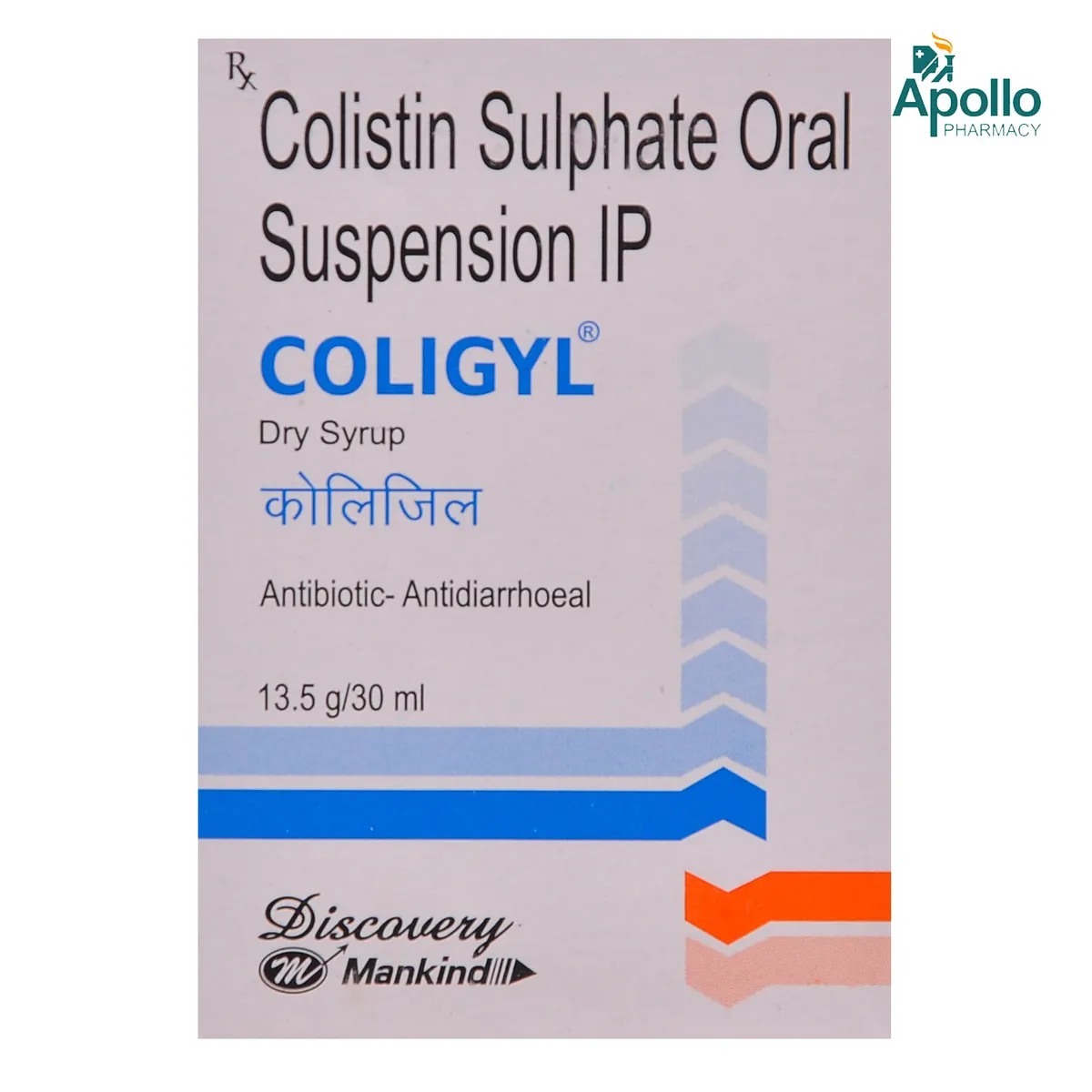
Coligyl Dry Syrup is used in the treatment of bacterial infections in the stomach, bowel, and intestines of children. It contains Colistin Sulphate, which works by damaging bacterial cell membranes that are essential for their survival. Thus, it kills bacteria and helps to treat bacterial infections. Give It to your child as prescribed by the doctor. This medication may cause side effects such as nausea, vomiting, loss of appetite and stomach upset. Most of these side effects do not require medical attention and gradually resolve over time. However, if the side effects persist or worsen, please consult your doctor.

Read more
Written By Veda Maddala , M Pharmacy
Reviewed By Dr Aneela Siddabathuni , MPharma., PhD
OffersOffers & Discounts

Get Free delivery (₹99) with circle icon

Join Circle
coupon
Get Extra 18% Off with Coupons
coupon
Extra 10% Off with Bank Offers
bank offer
bank offer
bank offer

More about the Product

Manufacturer/Marketer :

Mankind Pharma Pvt Ltd

Consume Type :

Oral

Expires on or after :

Jan-27

Return Policy :

Not Returnable

About Coligyl Dry Syrup

Coligyl Dry Syrup is an oral antibiotic that works mainly inside the digestive tract because very little of Coligyl Dry Syrup is absorbed into the bloodstream. It is used in selected situations to treat certain bacterial infections in the intestines or to reduce specific harmful bacteria in the gut when prescribed by a doctor. Seeing your child unwell can be worrying, but using Coligyl Dry Syrup exactly as prescribed can help treat the infection effectively. It does not work against viral diarrhoea, stomach flu, or other viral illnesses.

Give Coligyl Dry Syrup to your child at regular intervals exactly as prescribed by the doctor. It can be given with or without food. Completing the full course helps clear the infection and reduces the chance of bacteria becoming resistant to antibiotics. Encourage your child to drink plenty of fluids and get enough rest during recovery.

Most children tolerate oral Coligyl Dry Syrup well. Mild side effects such as nausea, stomach upset, bloating, or a temporary loss of appetite may occur and usually improve on their own. Because very little of Coligyl Dry Syrup is absorbed into the bloodstream, serious whole-body side effects are uncommon with the oral form. However, seek medical attention immediately if your child develops a severe allergic reaction, difficulty breathing, severe or persistent diarrhoea, or any other serious symptoms.

Before giving Coligyl Dry Syrup, tell your doctor if your child has kidney disease, severe intestinal disease, or any other serious medical condition. Do not give Coligyl Dry Syrup if your child has previously had a severe allergic reaction to colistin or similar antibiotics. Your doctor will determine whether Coligyl Dry Syrup is appropriate based on your child's age, weight, overall health, and the type of bacterial infection.

Tell your doctor or pharmacist about all prescription medicines, over-the-counter medicines, vitamins, herbal products, and supplements your child is taking before starting treatment. Some medicines may interact with Coligyl Dry Syrup. Children with pre-existing kidney disease may require closer medical supervision because even the small amount of medicine absorbed into the body is removed by the kidneys.

Uses of Coligyl Dry Syrup

Coligyl Dry Syrup is used in the treatment of certain bacterial infections of the digestive tract. The detailed uses of Coligyl Dry Syrup are as follows:

  • Severe Bacterial Diarrhoea: Helps treat susceptible bacterial infections in the intestines and supports recovery from bacterial diarrhoea.
  • Bacterial Gastroenteritis: Helps eliminate susceptible bacteria that cause infection and inflammation of the stomach and intestines.
  • Preoperative Bowel Preparation: Helps reduce the number of bacteria in the intestines before certain bowel surgeries, lowering the risk of postoperative infections.
  • Intestinal Bacterial Infections: Helps control susceptible bacterial infections of the digestive tract under medical supervi

Key Benefits

Coligyl Dry Syrup helps treat selected bacterial infections of the intestines by acting directly at the site of infection. Because it is minimally absorbed into the bloodstream when taken by mouth, it provides targeted treatment while supporting recovery from intestinal bacterial infections.

Benefits may include:

  • Acts mainly in the intestines, where the infection is located.
  • Helps eliminate susceptible Gram-negative bacteria causing intestinal infections.
  • Relieves symptoms associated with bacterial intestinal infections and supports recovery.
  • Has minimal absorption into the bloodstream, limiting whole-body exposure with the oral formulation.
  • Supports targeted antibiotic treatment when used exactly as prescribed.
  • Promotes responsible antibiotic use by treating specific bacterial infections and helping reduce the risk of antibiotic resistance.
Side effects of Coligyl Dry Syrup 30 ml
Here are the precise steps to cope with diarrhoea caused by medication usage:
  • Inform Your Doctor: Notify your doctor immediately about your diarrhoea symptoms. This allows them to adjust your medication or provide guidance on managing side effects.
  • Stay Hydrated: Drink plenty of fluids to replace lost water and electrolytes. Choose water, clear broth, and electrolyte-rich drinks. Avoid carbonated or caffeinated beverages to effectively rehydrate your body.
  • Follow a Bland Diet: Eat easy-to-digest foods to help firm up your stool and settle your stomach. Try incorporating bananas, rice, applesauce, toast, plain crackers, and boiled vegetables into your diet.
  • Avoid Trigger Foods: Steer clear of foods that can worsen diarrhoea, such as spicy, fatty, or greasy foods, high-fibre foods, and dairy products (especially if you're lactose intolerant).
  • Practice Good Hygiene: Maintain good hygiene to prevent the spread of infection. To stay healthy, wash your hands frequently, clean and disinfect surfaces regularly, and avoid exchanging personal belongings with others.
  • Take Anti-Diarrheal Medications: If your doctor advises, anti-diarrheal medications such as loperamide might help manage diarrhoea symptoms. Always follow your doctor's directions.
  • Keep track of your diarrhoea symptoms. If they don't get better or worse or are accompanied by severe stomach pain, blood, or dehydration signs (like extreme thirst or dark urine), seek medical help.
  • Drink water or other clear fluids.
  • To prevent worsening of pain, limit intake of tea, coffee, or alcohol.
  • Include bland foods like rice, toast, crackers, and rice in your diet.
  • Avoid lying down immediately after eating as it may cause indigestion or heartburn.
  • Avoid acidic and spicy food as it may cause indigestion.
To prevent, manage, and treat Constipation caused by medication usage, follow these steps:
  • Preventing Vomiting (Before it Happens)
  • Take medication exactly as prescribed by your doctor. This can help minimize side effects, including vomiting.
  • Having a small meal before taking your medication can help reduce nausea and vomiting.
  • Talk to your doctor about taking anti-nausea medication along with your prescribed medication.
  • Managing Vomiting (If it Happens)
  • Try taking ginger in the form of tea, ale, or candy to help alleviate nausea and vomiting.
  • What to Do if Vomiting Persists
  • Consult your doctor if vomiting continues or worsens, consult the doctor for guidance on adjusting your medication or additional treatment.
Here are the steps to cope with constipation as a side effect of medication:
  • Inform your doctor about your constipation symptoms. They may adjust your medication or advise alternative treatments.
  • Stay hydrated by drinking sufficient of water (at least 8-10 glasses a day) to help soften stool and promote bowel movements.
  • Increase fibre intake by eating foods high in fibre, such as fruits, whole grains, vegetables and legumes, to help bulk up the stool.
  • Establish a bowel routine by trying to go to the bathroom at the same time each day to train your bowels.
  • Engaging in regular exercise, like walking or yoga, can support in bowel movement stimulation.
  • Consult your doctor if constipation persists, and discuss alternative treatments or adjustments to your medication.
Overcome Medication-Induced Nausea: A 9-Step Plan
  • Inform your doctor about the nausea and discuss possible alternatives to the medication or adjustments to the dosage.
  • Divide your daily food intake into smaller, more frequent meals to reduce nausea.
  • Opt for bland, easily digestible foods like crackers, toast, plain rice, bananas, and applesauce.
  • Avoid certain foods that can trigger nausea, such as fatty, greasy, spicy, and smelly foods.
  • Drink plenty of fluids, such as water, clear broth, or electrolyte-rich beverages like coconut water or sports drinks.
  • Use ginger (tea, ale, or candies) to help relieve nausea.
  • Get adequate rest and also avoid strenuous activities that can worsen nausea.
  • Talk to your doctor about taking anti-nausea medication if your nausea is severe.
  • Record when your nausea occurs, what triggers it, and what provides relief to help you identify patterns and manage your symptoms more effectively.
  • Rest well; get enough sleep.
  • Eat a balanced diet and drink enough water.
  • Manage stress with yoga and meditation.
  • Limit alcohol and caffeine.
  • Physical activities like walking or jogging might help boost energy and make you feel less tired.

Directions for Use

  • Coligyl Dry Syrup can be given to your child with food to avoid stomach upset.
  • Follow the doctor’s instructions regarding the required dosage and timing of this medication, and use it as per the instructions on the label.
  • Shake the bottle well to loosen the powder.
  • Twist open the enclosed plastic ampoule containing sterile water and add to the ring mark on the bottle to reconstitute the powder. Shake well to form a reconstituted suspension. Add more sterile water if required to make up to the mark.
  • Give the prescribed dose to your child by mouth using the measuring cup/dosing syringe/dropper provided with the pack.
  • The reconstituted suspension should be stored below 15°C and used within 7 days of preparation.

How Coligyl Dry Syrup Works

Coligyl Dry Syrup is an antibiotic that works by damaging the protective outer membrane of certain bacteria in the intestines. This causes the bacteria to lose their protective barrier, leak their contents, and eventually die, helping clear the infection. Since very little of Coligyl Dry Syrup is absorbed into the bloodstream, it remains mainly in the intestines, where it acts directly against susceptible bacteria while limiting its effects on the rest of the body.
bannner image

Alcohol

Not applicable

-

bannner image

Pregnancy

Not applicable

-

bannner image

Breast Feeding

Not applicable

-

bannner image

Driving

Not applicable

-

bannner image

Liver

Consult your doctor

If your child is suffering from liver disease, inform your doctor before using Coligyl Dry Syrup.

bannner image

Kidney

Consult your doctor

If your child is suffering from kidney disease, inform your doctor before using Coligyl Dry Syrup.

bannner image

Children

Safe if prescribed

Coligyl Dry Syrup should be used for children in dose and duration as the doctor advises.

bannner image

Heart

Caution

Coligyl Dry Syrup should be used with caution in children with heart problems, as it may cause side effects like dizziness, neurotoxicity, or electrolyte imbalance. Always consult a pediatrician before use to ensure it's safe for your child's condition.

bannner image

Geriatrics

Not applicable

Coligyl Dry Syrup is specifically for children use and is not meant for geriatric patients.

What if I have taken an overdose of Coligyl Dry Syrup

If your child accidentally swallows too much of Coligyl Dry Syrup, seek immediate medical care or contact a poison control center right away, even if they do not show any signs of discomfort.

Diet & Lifestyle Advise

  • Keep your child well hydrated: Offer plenty of fluids such as water, oral rehydration solution (ORS), or clear soups to replace fluids lost through diarrhoea and help prevent dehydration.
  • Choose simple, easy-to-digest foods: Give small, frequent meals such as bananas, rice, applesauce, toast, curd (if suitable), or other bland foods until your child feels better.
  • Avoid foods that may worsen diarrhoea: Limit sugary drinks, fizzy beverages, greasy foods, spicy foods, and highly processed snacks until your child's symptoms improve.
  • Practice good hand hygiene: Wash your hands and your child's hands thoroughly with soap and water after using the toilet, changing diapers, and before preparing or eating food to reduce the spread of infection.
  • Encourage adequate rest: Allow your child to rest while recovering and gradually return to normal activities as they begin to feel better.
health query

Have a query?

How Soon It Starts Working

The time required for Coligyl Dry Syrup to start to work: The time required for Coligyl Dry Syrup to show its action is not clinically established. The time for which the effects of Coligyl Dry Syrup last: The duration of action for Coligyl Dry Syrup is not clinically established.

What if you forget to take Coligyl Dry Syrup

If you forget to give a dose, give it as soon as you remember. However, if it is almost time for the next scheduled dose, skip the missed one and continue with your regular schedule. Do not give a double dose to make up for a missed one.

Storage

•Store the dry powder bottle at room temperature, between 15°C and 30°C, away from direct sunlight, heat, and moisture. •Do not store it in the bathroom.

Drug Warnings

  • Shake the bottle before use: Shake the bottle well before every dose to ensure Coligyl Dry Syrup is evenly mixed.
  • Measure the dose accurately: Always use the supplied oral syringe, measuring cup, or dropper to measure each dose. Never use a household spoon, as it may result in an incorrect dose.
  • Complete the full course of treatment: Give Coligyl Dry Syrup exactly as prescribed and complete the entire course, even if your child feels better before finishing it. Stopping treatment early may allow the infection to return and contribute to antibiotic resistance.
  • Use only as prescribed: This is a critically important antibiotic and should only be used for the infection and duration prescribed by your child's doctor. Do not use it for other illnesses or future infections.
  • Do not share Coligyl Dry Syrup: Never give this antibiotic to another child, even if they have similar symptoms, as they may require a different medicine or dose.
  • Keep a dosing record: If more than one caregiver is giving Coligyl Dry Syrup, record the time of each dose to help prevent missed or duplicate doses.
  • Consult your doctor if: Your child develops severe or persistent diarrhoea, diarrhoea with blood, a high fever, repeated vomiting, or symptoms that do not improve during treatment.
  • Seek immediate medical attention if: Your child develops signs of severe dehydration, such as a very dry mouth, sunken eyes, no tears while crying, passing very little urine, or extreme thirst. Also seek emergency care if your child becomes unusually sleepy or difficult to wake, has trouble breathing, or develops swelling of the face, lips, tongue, or throat. 

Drug-Drug Interactions

verifiedApollotooltip
  • Aminoglycoside antibiotics (e.g., gentamicin, amikacin): Although oral Coligyl Dry Syrup is minimally absorbed, using these antibiotics alongside Coligyl Dry Syrup may increase the risk of kidney problems or nerve and muscle-related side effects, especially in children with kidney disease.
  • Muscle relaxants (e.g., atracurium, vecuronium): Taking these medicines alongside Coligyl Dry Syrup may increase muscle-relaxing effects and the risk of muscle weakness. Inform your child's doctor if these medicines are being used before surgery or other medical procedures.
ColistinBCG vaccine
Critical

Drug-Drug Interactions

Login/Sign Up

ColistinBCG vaccine
Critical
How does the drug interact with Coligyl Dry Syrup 30 ml:
Coadministration of Coligyl Dry Syrup 30 ml along with BCG vaccine can reduce the treatment outcomes.

How to manage the interaction:
Taking Coligyl Dry Syrup 30 ml with BCG vaccine is avoided as it may lead to an interaction, please consult your doctor before taking it.
How does the drug interact with Coligyl Dry Syrup 30 ml:
Using Vecuronium with Coligyl Dry Syrup 30 ml can make Vecuronium more effective in therapy.

How to manage the interaction:
Although there is a possible interaction between Coligyl Dry Syrup 30 ml and Vecuronium, you can take these medicines together if prescribed by your doctor. However, if you experience an upset stomach, rash, dizziness, or fever, consult a doctor. Do not stop using any medications without a doctor's advice.
How does the drug interact with Coligyl Dry Syrup 30 ml:
Taking Human immunoglobulin with Coligyl Dry Syrup 30 ml, may raise the risk of kidney problems.

How to manage the interaction:
There may be a possibility of interaction between Human immunoglobulin and Coligyl Dry Syrup 30 ml, but it can be taken if prescribed by a doctor. However, if you experience nausea, vomiting, loss of appetite, increased or decreased urination, sudden weight gain or loss, fluid retention, swelling, shortness of breath, muscle cramps, tiredness, weakness, dizziness, confusion, or an irregular heart rhythm, consult a doctor. Do not discontinue any medications without consulting a doctor.
How does the drug interact with Coligyl Dry Syrup 30 ml:
Co-administration of Coligyl Dry Syrup 30 ml with Gentamicin can increase the levels and risk of Coligyl Dry Syrup 30 ml side effects.

How to manage the interaction:
Although there is a possible interaction between Coligyl Dry Syrup 30 ml and Gentamicin, you can take these medicines together if prescribed by your doctor. However, if you experience weight gain or loss suddenly, muscle pain, dizziness, or palpitations, call your doctor right away. Do not stop using any medications without a doctor's advice.
ColistinPipecuronium bromide
Severe
How does the drug interact with Coligyl Dry Syrup 30 ml:
Coadministration of Pipecuronium bromide with Coligyl Dry Syrup 30 ml may increase the risk of side effects.

How to manage the interaction:
Although there is a possible interaction between Coligyl Dry Syrup 30 ml and pipecuronium bromide, you can take these medicines together if prescribed by your doctor. However, if you experience an upset stomach, Rash, Dizziness, or Fever, consult a doctor. Do not stop using any medications without a doctor's advice.
How does the drug interact with Coligyl Dry Syrup 30 ml:
Using Suxamethonium together with Coligyl Dry Syrup 30 ml may increase the effects of Suxamethonium.

How to manage the interaction:
Although there is a possible interaction between Coligyl Dry Syrup 30 ml and Suxamethonium, you can take these medicines together if prescribed by your doctor. However, if you experience an upset stomach, Rash Paresthesia (tingling or pricking sensation) Dizziness Slurred speech Vertigo, or Fever, consult a doctor. Do not stop using any medications without a doctor's advice.
ColistinCisatracurium
Severe
How does the drug interact with Coligyl Dry Syrup 30 ml:
Coadministration of Cisatracurium with Coligyl Dry Syrup 30 ml may increase the risk of side effects of Cisatracurium.

How to manage the interaction:
Although there is a possible interaction of Cisatracurium with Coligyl Dry Syrup 30 ml, it can be taken if prescribed by your doctor. However, if you experience an upset stomach, Rash, Dizziness, Slurred speech, Vertigo, or Fever, consult a doctor. Do not stop using any medications without a doctor's advice.
How does the drug interact with Coligyl Dry Syrup 30 ml:
Coadministration of Atracurium with Coligyl Dry Syrup 30 ml can increase the risk of Atracurium side effects.

How to manage the interaction:
Although there is a possible interaction between Coligyl Dry Syrup 30 ml and Atracurium, you can take these medicines together if prescribed by your doctor. However, if you experience an upset stomach, rash, dizziness, slurred speech, or fever, consult a doctor. Do not stop using any medications without a doctor's advice.
How does the drug interact with Coligyl Dry Syrup 30 ml:
Combining Coligyl Dry Syrup 30 ml with Neomycin can increase the risk or severity of kidney problems.

How to manage the interaction:
Although there is a possible interaction between Coligyl Dry Syrup 30 ml and Neomycin, you can take these medicines together if prescribed by your doctor. However, if you experience an upset stomach, Rash, Dizziness, or Fever, consult a doctor. Do not stop using any medications without a doctor's advice.
How does the drug interact with Coligyl Dry Syrup 30 ml:
Combining Coligyl Dry Syrup 30 ml with Tenofovir alafenamide may increase the risk of kidney problems.

How to manage the interaction:
Although there is a possible interaction between Coligyl Dry Syrup 30 ml and Tenofovir alafenamide, you can take these medicines together if prescribed by your doctor. However, consult a doctor if you experience an upset stomach, rash, dizziness, or fever. Do not stop using any medications without a doctor's advice.

Drug-Food Interactions

verifiedApollotooltip
  • Fluids: Encourage your child to drink plenty of fluids during treatment, especially if they have diarrhoea, to help prevent dehydration.
No Drug - Food interactions found in our database. Some may be unknown. Consult your doctor for what to avoid during medication.

Drug-Food Interactions

Login/Sign Up

Habit Forming

No

Therapeutic Class

[ANTIBIOTICS]

FAQs

Coligyl Dry Syrup contains Colistin Sulphate, which works by damaging bacterial cell membranes that are essential for their survival. Thus, it kills bacteria and helps to treat bacterial infections.
Coligyl Dry Syrup is an oral antibiotic used to treat certain bacterial infections of the intestines, such as bacterial diarrhea and infectious gastroenteritis. It does not work against viral infections like viral stomach flu, so it should only be used when prescribed by your doctor.
If you are pregnant, planning to become pregnant, or breastfeeding, tell your doctor before taking Coligyl Dry Syrup. Your doctor will carefully weigh the expected benefits against any possible risks before recommending Coligyl Dry Syrup.
Shake the bottle well before each dose and always use the measuring cup, oral syringe, or measuring spoon provided with Coligyl Dry Syrup. Do not use household teaspoons because they may not measure the correct dose.
It is best to avoid alcohol while recovering from a gut infection because it may worsen stomach irritation, dehydration, nausea, and diarrhea. Drinking plenty of fluids and following your doctor's dietary advice will help support your recovery.
Take the missed dose as soon as you remember. If it is nearly time for your next scheduled dose, skip the missed dose and continue with your regular schedule. Do not take two doses together to make up for a missed dose.
Completing the full course helps remove all the bacteria causing the infection, even if you start feeling better earlier. Stopping treatment too soon may allow some bacteria to survive, increasing the chance of the infection returning and contributing to antibiotic resistance, making future infections more difficult to treat.
Some people may benefit from probiotics during or after antibiotic treatment to help restore the natural balance of healthy bacteria in the gut. However, not everyone needs them. Ask your doctor or pharmacist whether a probiotic is suitable for you and when it should be taken during your treatment.
Improvement depends on the type of bacterial infection, its severity, and how your child responds to treatment. Some children begin to improve within a few days, while others may take longer. If your child's symptoms become worse or do not start improving as expected, contact your doctor for further evaluation.
If your child vomits soon after taking a dose, do not give another dose unless your doctor or pharmacist advises you to do so. The correct approach depends on how much medicine may have been absorbed and your child's individual situation. Contact your healthcare provider for personalised advice, especially if vomiting continues or your child cannot keep fluids down.
If Coligyl Dry Syrup has been prepared as an oral suspension, it is usually stored in the refrigerator. Follow the storage instructions provided by your pharmacist or those printed on the dispensing label, as storage recommendations may vary between products. Do not freeze Coligyl Dry Syrup.
No. Coligyl Dry Syrup is an antibiotic that works only against certain bacterial infections in the intestines. It will not treat viral diarrhoea, viral gastroenteritis (stomach flu), the common cold, or influenza. Your doctor will determine whether your child's illness is caused by bacteria before prescribing Coligyl Dry Syrup.
Oral Coligyl Dry Syrup is minimally absorbed into the bloodstream, so kidney-related side effects are very uncommon with this form of Coligyl Dry Syrup. However, children with existing kidney disease may require closer medical supervision. Tell your doctor if your child has kidney problems before starting treatment.
Seek emergency medical care immediately if your child develops difficulty breathing, swelling of the face or throat, severe dehydration (such as a very dry mouth, sunken eyes, no tears while crying, or passing very little urine), bloody diarrhoea with a high fever, becomes unusually sleepy or difficult to wake, has persistent vomiting, or if their condition suddenly worsens.
Coligyl Dry Syrup is considered a critically important antibiotic and is usually reserved for selected bacterial infections caused by susceptible bacteria. Using it only when necessary helps preserve its effectiveness and reduces the development of antibiotic-resistant bacteria.

Disclaimer

While we strive to provide complete, accurate, and expert-reviewed content on our 'Platform', we make no warranties or representations and disclaim all responsibility and liability for the completeness, accuracy, or reliability of the aforementioned content. The content on our platform is for informative purposes only, and may not cover all clinical/non-clinical aspects. Reliance on any information and subsequent action or inaction is solely at the user's risk, and we do not assume any responsibility for the same. The content on the Platform should not be considered or used as a substitute for professional and qualified medical advice. Please consult your doctor for any query pertaining to medicines, tests and/or diseases, as we support, and do not replace the doctor-patient relationship.

Reference

  1. Colistin sulphate. [Accessed on 28 Mar. 2019]Check here
  2. Comxtin Dry Syrup. [Accessed on 02 Jun. 2026]Check here
  3. Clinical Reference Document. [Accessed on 02 Jun. 2026]Check here
  4. Colistin Sulphate Colistin Sulphate. [Accessed on 15 Apr. 2026]Check here
  5. Ministry of Health and Family Welfare. National Formulary of India (NFI) 2021. 6th ed. New Delhi, India: IPC; 2021. Clinical Drug Monographs: Walamycin Suspension

Country of origin

India

Manufacturer/Marketer address

208, Okhla Industrial Estate, Phase III, New Delhi - 110020
Other Info - COL0115
whatsapp Floating Button
Buy Now
Add to Cart