apollo
0
  1. Home
  2. Medicine
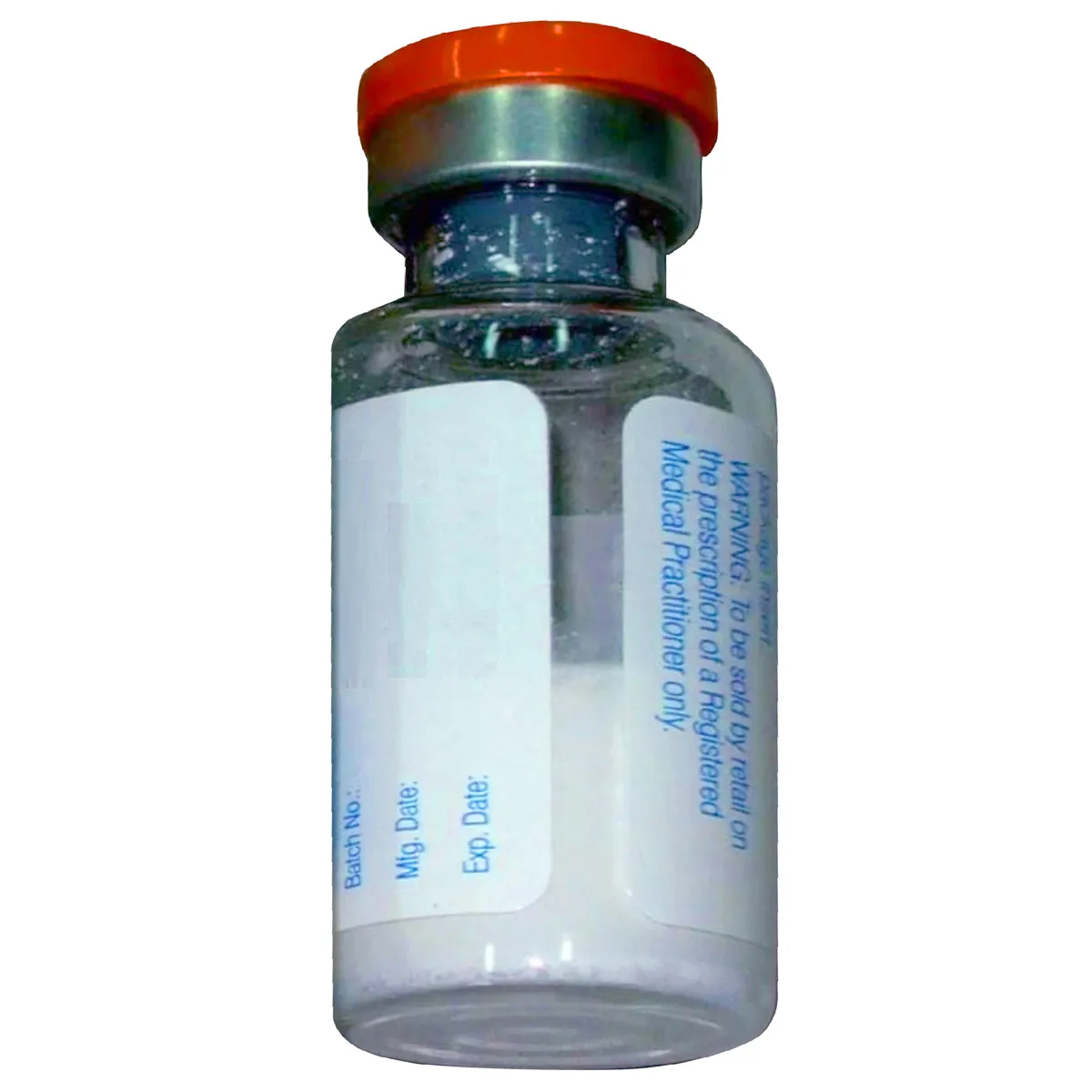
  3. Cardiject 250 mg Injection 1's

Prescription drug
 Trailing icon
coupon
coupon
coupon
Extra 15% Off with Bank Offers
Reviewed By Dr Aneela Siddabathuni , MPharma., PhD

Cardiject 250 mg Injection is used to treat Myocardial infarction and Decompensated heart failure. It contains Dobutamine which works by increasing blood flow to the muscles and increasing the pumping efficiency of the heart. Sometimes, Cardiject 250 mg Injection may cause common side effects such as headache, nausea, shortness of breath, chest pain, irregular heartbeat and pain at the site of injection. It is not recommended for children as safety and effectiveness are not established.

Read more

Composition :

DOBUTAMINE-250MG

Manufacturer/Marketer :

Sun Pharmaceutical Industries Ltd

Consume Type :

PARENTERAL

Return Policy :

Not Returnable

Expires on or after :

About Cardiject 250 mg Injection

Cardiject 250 mg Injection belongs to a class of medicines called vasopressors used to treat patients with low cardiac output, decompensated heart failure (DHF), and Myocardial infarction (MI). Myocardial infarction, also known as a heart attack, could occur due to the lack of blood and oxygen supply to the heart. Cardiac decompensation is an abnormal condition in which the heart is no longer able to maintain efficient circulation.  

Cardiject 250 mg Injection contains Dobutamine which works by increasing blood flow to the muscles and increasing the pumping efficiency of the heart.

Cardiject 250 mg Injection will be administered by a healthcare professional. Hence, do not self-administer. Sometimes, Cardiject 250 mg Injection may cause common side effects such as headache, nausea, shortness of breath, chest pain, irregular heartbeat and pain at the site of injection. Most of these side effects do not require medical attention and gradually resolve over time. However, if the side effects persist, please consult your doctor.

If you are allergic to Dobutamine or other ingredients of Cardiject 250 mg Injection, please inform your doctor. If you are pregnant or breastfeeding or have a history of blood circulation problems, inform your doctor before receiving Cardiject 250 mg InjectionCardiject 250 mg Injection is not recommended for children as safety and effectiveness are not established.

Uses of Cardiject 250 mg Injection

Cardiject 250 mg Injection is used in the treatment of myocardial infarction (heart attack) and decompensated heart failure. The detailed uses of Cardiject 250 mg Injection are as follows:

  • Improves heart pumping: Cardiject 250 mg Injection strengthens the heart’s contractions, helping it pump blood more effectively in heart failure.
  • Supports circulation after a heart attack: Cardiject 250 mg Injection increases blood flow to vital organs following a myocardial infarction.
  • Relieves symptoms of heart failure: Cardiject 250 mg Injection helps reduce fatigue and shortness of breath by improving cardiac output.

Have a query?

Directions for Use

  • Follow your doctor’s instructions on the dosage and timing of this medication to ensure safety.
  • Cardiject 250 mg Injection will be administered by the doctor or healthcare professional in a medical setting.
  • Do not self-administer.

Medicinal Benefits

Cardiject 250 mg Injection contains Dobutamine which is used to treat Cardiac decompensation and low cardiac output patients. It works by increasing blood flow to the muscles. Additionally, it may be used in people with congestive heart failure (heart failure due to the build-up of blood or fluid) to help the heart pump better by increasing the pumping efficiency of the heart.

How Cardiject 250 mg Injection Works

Cardiject 250 mg Injection contains Dobutamine which works by increasing blood flow to the muscles and increasing the pumping efficiency of the heart.

Storage

• Store in a cool and dry place away from sunlight.• Keep Cardiject 250 mg Injection out of the sight and reach of children.• Non cold chain - To be stored in cool places at 10ºC to 25ºC or below 30ºC.
Side effects of Cardiject 250 mg Injection
Here are the steps to manage the medication-triggered Tachycardia (Fast Heart Rate):
  • Contact your doctor immediately if you're experiencing a fast heart rate, palpitations, or other heart-related symptoms. This is crucial to determine whether the symptoms are related to your medication.
  • Your doctor may need to adjust your medication regimen to alleviate the fast heart rate symptoms. This could involve changing the medication, reducing the dosage, or adding new medications to counteract the side effects.
  • Follow your doctor's advice on monitoring your heart rate and blood pressure. This will help track any changes and ensure your heart rate returns normal.
  • If you experience severe symptoms such as chest pain, dizziness, or shortness of breath, seek immediate medical attention. These symptoms can indicate a more serious condition that requires prompt treatment.
Here's a comprehensive approach to managing medication-triggered high blood pressure (hypertension):
  • Inform your doctor if you experience high blood pressure symptoms after starting a new medication or changing your medication regimen.
  • To reduce high blood pressure symptoms, your doctor may change your medication regimen or dose.
  • Monitor your blood pressure regularly to track changes and potential side effects.
  • Make lifestyle changes, such as following a healthy diet, exercising regularly, and reducing sodium intake.
  • Consider incorporating stress-reducing activities, like meditation or deep breathing exercises, into your daily routine.
  • Create a personalized plan with your doctor to manage high blood pressure, which may include additional medications, therapies, or lifestyle modifications.
  • Follow up with your doctor on a frequent basis to assess progress, change treatment plans, and address any concerns or issues.
  • Limit or avoid intake of stimulants like tobacco, caffeine and alcohol.
  • Drink sufficient water to maintain electrolyte balance.
  • Regularly do aerobic exercises.
  • Practice relaxation techniques such as meditation, or deep breathing to reduce stress.
  • Some medicines may be advised by your doctor such as beta-blockers or calcium channel blockers based on your condition.

What if I have taken an overdose of Cardiject 250 mg Injection

As Cardiject 250 mg Injection is a parenteral formulation administered by experienced medical staff, the chance of overdose may be less. However, if you think there has been an overdose or experiencing any adverse events, get medical care right away. Overdose of Cardiject 250 mg Injection may cause anginal and nonspecific chest pain, anorexia, anxiety, headache, hypertension, myocardial ischaemia, nausea, palpitations, shortness of breath, tachyarrhythmias, tremor, ventricular fibrillation, and vomiting.

Drug Warnings

If you are allergic to Dobutamine or any other ingredients of Cardiject 250 mg Injection, please tell your doctor. Cardiject 250 mg Injection is not recommended for children as safety and effectiveness were not established. If you are pregnant or breastfeeding, please inform your doctor before receiving Cardiject 250 mg Injection. If you have a history of blood circulation problems, inform your doctor, as you will be monitored for any changes in the colour or temperature of your fingers or toes. If you experience any pain or swelling at the injection site during or immediately after the injection, inform your doctor immediately so that appropriate treatment may be given.

Drug-Drug Interactions

verifiedApollotooltip

Drug-Drug Interactions

Login/Sign Up

How does the drug interact with Cardiject 250 mg Injection:
Coadministration of Nortriptyline with Cardiject 250 mg Injection can increase the risk or severity of irregular heart rhythm.

How to manage the interaction:
Taking Nortriptyline with Cardiject 250 mg Injection together can result in an interaction, it can be taken if your doctor has advised it. However, if you experience throbbing headaches, tremors, palpitations, or chest pain, contact a doctor immediately. Do not discontinue any medications without consulting a doctor.
How does the drug interact with Cardiject 250 mg Injection:
Doxepin can enhance the blood pressure-raising effects of Cardiject 250 mg Injection.

How to manage the interaction:
There may be a possibility of interaction between Cardiject 250 mg Injection and Doxepin, but it can be taken if prescribed by a doctor. If you experience any symptoms contact your doctor immediately. Do not stop using any medications without a doctor's advice.
How does the drug interact with Cardiject 250 mg Injection:
Taking clomipramine with Cardiject 250 mg Injection can increase the effects of Cardiject 250 mg Injection.

How to manage the interaction:
Although taking Cardiject 250 mg Injection and Clomipramine together can cause an interaction, it can be taken if your doctor has suggested it. It's important to keep an eye on your blood pressure regularly. If you notice any unusual symptoms, make sure to contact a doctor right away. Do not discontinue any medications without consulting a doctor.
How does the drug interact with Cardiject 250 mg Injection:
Co-administration of Cardiject 250 mg Injection and Linagliptin may interfere with blood glucose control and reduce the effectiveness of linagliptin.

How to manage the interaction:
Co-administration of Linagliptin with Cardiject 250 mg Injection can possibly result in an interaction, but it can be taken if your doctor has advised it. Do not stop using any medications without a doctor's advice.
How does the drug interact with Cardiject 250 mg Injection:
Coadministration of Amitriptyline with Cardiject 250 mg Injection can enhance the blood pressure-raising effects of Cardiject 250 mg Injection.

How to manage the interaction:
Although there is a possible interaction between Amitriptyline and Cardiject 250 mg Injection, you can take these medicines together if prescribed by your doctor. It's important to keep an eye on your blood pressure regularly. If you notice any of these symptoms like Itchy skin or red skin rash, swollen eyes, lips, hands, and feet, feeling lightheaded or dizzy, swelling of the mouth, throat, or tongue, which can cause breathing and swallowing difficulty, coughing, stomach discomfort, nausea, vomiting, or unconsciousness, make sure to consult a doctor. Do not discontinue any medications without consulting a doctor.

Drug-Food Interactions

verifiedApollotooltip
No Drug - Food interactions found in our database. Some may be unknown. Consult your doctor for what to avoid during medication.

Drug-Food Interactions

Login/Sign Up

Diet & Lifestyle Advise

  • Eat small meals more frequently.
  • Drink plenty of fluids to stay hydrated as dehydration may reduce blood volume resulting in low blood pressure.
  • Include vitamin B12-rich foods such as animal meats, eggs, fortified cereals, and nutritional yeast.
  • Take frequent breaks if you exercise outdoors in extreme heat.
  • Avoid spending a long time in hot tubs, steam rooms, and saunas to prevent dehydration.

Habit Forming

No

Therapeutic Class

VASOPRESSORS

All Substitutes & Brand Comparisons

bannner image

Alcohol

Caution

Avoid consumption of alcohol. Please discuss with your doctor if you have concerns.

bannner image

Pregnancy

Caution

Cardiject 250 mg Injection is considered safe to be used in pregnancy. However, if you are pregnant or planning pregnancy, inform your doctor before receiving Cardiject 250 mg Injection.

bannner image

Breast Feeding

Caution

Limited data are available on the effect of Cardiject 250 mg Injection on breastfeeding. Hence, if you are a nursing mother, inform your doctor before receiving Cardiject 250 mg Injection.

bannner image

Driving

Not applicable

Cardiject 250 mg Injection is generally intended for use in hospitalized patients.

bannner image

Liver

Caution

If you have liver problems, inform your doctor before receiving Cardiject 250 mg Injection. Your doctor may adjust the dose of this medicine if necessary or prescribe a suitable alternative based on your condition.

bannner image

Kidney

Caution

If you have kidney problems, inform your doctor before receiving Cardiject 250 mg Injection. Your doctor may adjust the dose of this medicine if necessary or prescribe a suitable alternative based on your condition.

bannner image

Children

Unsafe

Cardiject 250 mg Injection is not recommended for children as safety and effectiveness were not established in children.

bannner image

Heart

Cardiject 250 mg Injection is often used to treat heart failure and improve cardiac output under medical supervision. It can cause arrhythmias or blood pressure changes, so close monitoring is essential during treatment.

bannner image

Geriatrics

Caution

Geriatric patients may receive Cardiject 250 mg Injection, but only under close medical supervision. Older adults are more sensitive to its effects on heart rate and blood pressure, so careful monitoring is essential during treatment.

FAQs

Cardiject 250 mg Injection is used to treat Myocardial infarction and Decompensated heart failure.

Cardiject 250 mg Injection contains Dobutamine which works by increasing blood flow to the muscles and increasing the pumping efficiency of the heart.

Cardiject 250 mg Injection should be used with caution in diabetic patients as it may cause Dobutamine stress echocardiography. Therefore, if you have diabetes, inform your doctor before receiving Cardiject 250 mg Injection.

The common side effects of Cardiject 250 mg Injection include headache, nausea, shortness of breath, chest pain, irregular heartbeat and pain at the site of injection. Most of these side effects do not require medical attention and gradually resolve over time. However, if the side effects persist, please consult your doctor.

Cardiject 250 mg Injection can be used for children if recommended by a doctor or paediatrician. It is generally used for the treatment of low cardiac output and systemic blood pressure in children of all ages. However, the dosage will be determined by the doctor based on the child's weight, age, and specific medical condition.

Cardiject 250 mg Injection is not a steroid. It belongs to a class of medicines called vasopressors and works by increasing blood flow to the muscles and improving the pumping efficiency of the heart. It does not have anti-inflammatory properties like steroids.

Country of origin

India

Manufacturer/Marketer address

Sun Pharmaceutical Industries Ltd., Sun House, Cts No. 201 B/1, Western Express Highway, Goregaon (E), Mumbai 400063
Other Info - CAR0513

Disclaimer

While we strive to provide complete, accurate, and expert-reviewed content on our 'Platform', we make no warranties or representations and disclaim all responsibility and liability for the completeness, accuracy, or reliability of the aforementioned content. The content on our platform is for informative purposes only, and may not cover all clinical/non-clinical aspects. Reliance on any information and subsequent action or inaction is solely at the user's risk, and we do not assume any responsibility for the same. The content on the Platform should not be considered or used as a substitute for professional and qualified medical advice. Please consult your doctor for any query pertaining to medicines, tests and/or diseases, as we support, and do not replace the doctor-patient relationship.

Author Details

Doctor imageWe provide you with authentic, trustworthy and relevant information

whatsapp Floating Button