Vitamin D is an essential nutrient that plays a crucial role in maintaining overall health. It is responsible for the absorption of calcium and phosphorus, which are vital for strong bones and teeth. Additionally, Vitamin D has several other functions, such as supporting the immune system and regulating mood. In India, Vitamin D deficiency is highly prevalent, with studies estimating that around 80-90% of the population has suboptimal levels. In this article, we will discuss the importance of Vitamin D, its impact on health and practical solutions to ensure adequate levels.
6 Tips To Manage Vitamin D Deficiency
Vitamin D is crucial for bone health, immunity and mood. Learn the causes, symptoms, risks and effective treatments to prevent vitamin D deficiency in India.
Dr. Yusuf
Causes and Risk Factors of Vitamin D Deficiency
Several factors can contribute to this deficiency, such as:
1. Lack of Sun Exposure
Sunlight is the primary source of vitamin D for our bodies. Spending limited time outdoors or living in regions with minimal sunshine can lead to a deficiency. Factors such as pollution, clothing choices and the use of sunscreen can further reduce the body's ability to produce vitamin D from sunlight.
2. Diet and Nutrition
Vitamin D is naturally found in very few foods, making it difficult to obtain sufficient levels through diet alone. Factors contributing to a lack of dietary intake of vitamin D can include
- Personal preferences
- Dietary restrictions
- Cultural eating habits
- Limited availability of vitamin D-rich
For instance, individuals who follow a vegetarian or vegan diet might find it challenging to obtain sufficient vitamin D from plant-based sources. Moreover, cultural dietary habits or limited access to certain foods can also impact intake.
3. Age and Gender
As we age, our bodies become less efficient at producing and absorbing vitamin D. Older adults are at higher risk of deficiency due to reduced skin synthesis and decreased dietary intake.
Additionally, women tend to have lower vitamin D levels compared with men.
4. Medical Conditions or Medications
Certain medical conditions can interfere with vitamin D processing in the body through insufficient absorption or metabolism, like:
- Crohn's disease
- Celiac disease
- Liver disorders
- Kidney disorders
Symptoms and Complications of Vitamin D Deficiency
Vitamin D deficiency can present with a wide range of symptoms, and it is important to recognise them early for timely management. Some common symptoms include the following:
- Fatigue and tiredness
- Muscle weakness
- Bone pain
- Mood changes
If left untreated, vitamin D deficiency can lead to long-term complications. These may include the following:
- Osteoporosis: Vitamin D deficiency contributes to poor calcium absorption, leading to weak and brittle bones.
- Increased risk of fractures: With weakened bones, individuals with vitamin D deficiency are more susceptible to fractures, even with minor trauma.
- Reduced immune function: Vitamin D plays a vital role in supporting the immune system. Its deficiency can result in frequent infections or difficulty in fighting off infections.
Adequate levels of vitamin D also play a role in reducing the risk of certain cancers, cardiovascular diseases and autoimmune disorders.
Diagnosis of Vitamin D Deficiency
To determine if you have a vitamin D deficiency, your doctor will order a blood test to measure the levels of vitamin D in your serum. The blood test will specifically measure the levels of 25-hydroxyvitamin D in your blood.
Some key points to consider regarding the diagnosis of vitamin D deficiency include:
- Recommended levels for different age groups: The ideal range for vitamin D levels can vary depending on age and underlying health conditions. In general, a level below 20 ng/mL is considered deficient, whereas a level between 20-30 ng/mL is considered insufficient. The optimal range is typically between 30-50 ng/mL.
- Interpreting the test results: If your test results indicate low levels of vitamin D, it means you have a deficiency. Your doctor will take into account your symptoms, medical history and other factors to determine the severity of the deficiency and appropriate treatment options.
Treatment for Managing Vitamin D Deficiency
1. Sun Exposure
It is recommended to spend around 10-30 minutes in the sun between 10 am and 3 pm. During this time, your body can produce vitamin D naturally.
However, it is crucial to take safety precautions such as wearing sunscreen and protective clothing to avoid the harmful effects of the sun.
Sun Safety Guidelines for Vitamin D:
- It is important to balance sun exposure with sun safety measures to avoid harmful effects from ultraviolet (UV) radiation.
- Aim for moderate sun exposure, typically 15-30 minutes a day, on the face, arms and legs, without sunscreen.
- Be cautious and avoid excessive sun exposure during peak hours, generally between 10 am to 4 pm.
- Use protective measures such as wearing wide-brimmed hats, sunglasses and lightweight clothing that covers the skin.
- Do not forget to apply a broad-spectrum sunscreen with SPF 30 or higher before prolonged sun exposure.
2. Dietary Changes
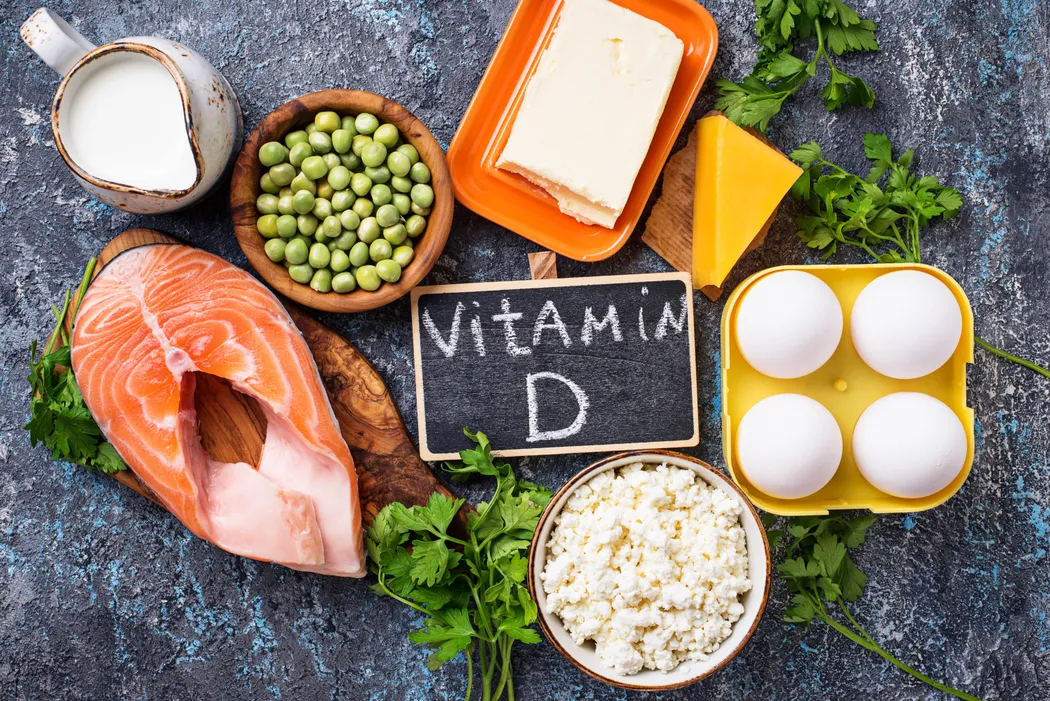
In terms of dietary changes, there are natural food sources rich in vitamin D that are suitable for the Indian diet. These include
- Mushrooms
- Margarine
- Spinach
- Fatty fish (salmon, mackerel)
- Egg yolks and
- Fortified products like milk and cereals
3. Vitamin D Supplements
If natural sunlight and dietary changes are not sufficient, vitamin D supplements can be considered. There are different types of supplements available, including:
- Uprise d3
- Lumia 60k
However, it is essential to consult a healthcare professional for dosage recommendations and considerations, as it may vary depending on individual requirements.
4. Regular Exercise and Physical Activity
Regular exercise and physical activity play a vital role in maintaining adequate levels of vitamin D. Engaging in physical activities helps the body produce vitamin D naturally when exposed to sunlight. It includes:
- Walking
- Jogging
- Cycling outdoors
Aim for at least 30 minutes of moderate-intensity exercise every day to reap the benefits.
5. Maintain Healthy Body Weight
Maintaining a healthy body weight is also essential for optimising vitamin D levels. Vitamin D is fat-soluble, meaning that it is stored in fatty tissue. Individuals with excess body fat may have lower levels of vitamin D due to its sequestration in adipose tissue.
Therefore, adopting a balanced diet, rich in fruits, vegetables and whole grains, while limiting processed foods and sugary drinks, can help you maintain a healthy weight.
6. Get Enough Sleep
In addition to exercise and maintaining a healthy weight, getting sufficient sleep is important for optimal vitamin D levels. Poor sleep patterns and inadequate sleep duration have been linked to lower vitamin D levels.
Aim for 7-9 hours of quality sleep each night to promote overall health and well-being.
Conclusion
By incorporating regular exercise, maintaining a healthy weight and ensuring optimal sleep patterns, you can support the absorption and utilisation of vitamin D in your body. These lifestyle modifications, along with supplementation when necessary, will help you maintain optimal vitamin D levels and promote overall health. By acknowledging the significance of Vitamin D and taking proactive steps to manage deficiency, we can improve the well-being of individuals in India. Let us work together towards a healthier future.
FAQs
FAQs
How can I get enough vitamin D from sunlight?
Aim for 15 to 30 minutes of sun exposure between 10 am and 3 pm. Expose your arms, legs or back to the sun. Avoid using sunscreen during this time.
What are the dietary sources of vitamin D?
Fatty fish like salmon and mackerel, egg yolks and fortified dairy products like milk and yoghurt are the best dietary sources.
Can vitamin D deficiency be diagnosed through blood tests?
Yes, a blood test called the 25-hydroxyvitamin D test can measure your vitamin D levels.
Are there any precautions I should take when taking vitamin D supplements?
Follow the recommended dosage provided by your healthcare provider. Take it with a meal or a source of fat to enhance absorption.


