0

Ozempic PrWeight Loss: How It Works and Who Is Eligible

Wondering who can prescribe Ozempic for weight loss? Learn how semaglutide works, medical eligibility criteria and how to discuss treatment safely in India.

article image

Dr.J.T.Hema Prathima

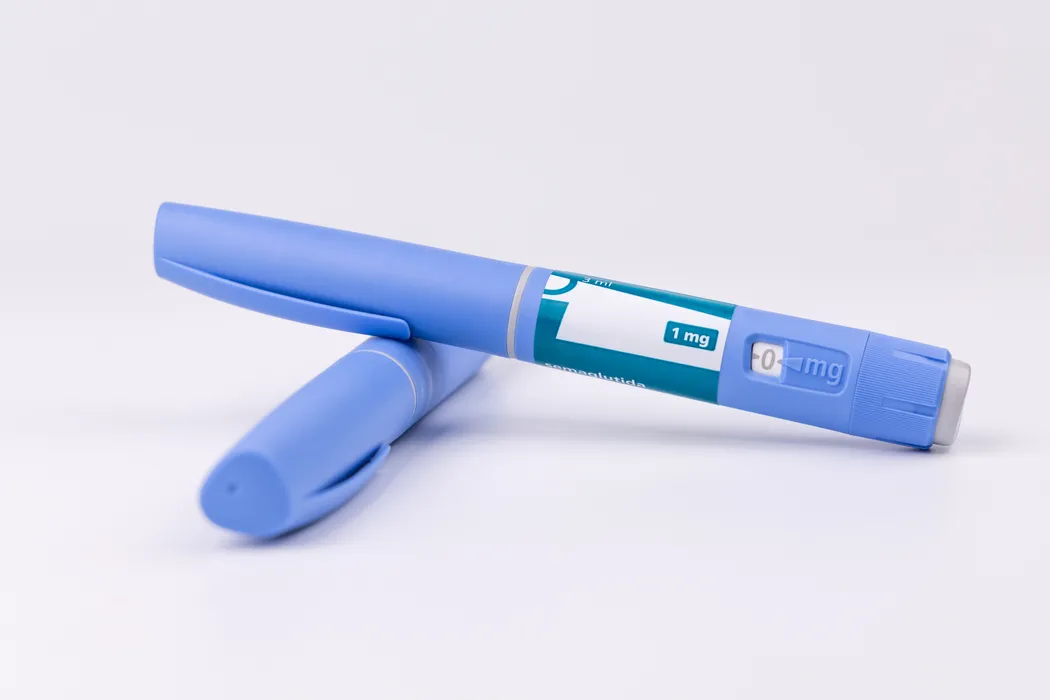
In recent years, the conversation around weight management has shifted dramatically. Medications known as GLP-1 receptor agonists have emerged as important tools for chronic weight management. Among these, Ozempic has become widely recognised. While originally designed and approved to help manage blood sugar levels in adults with Type 2 diabetes, its effects on appetite and body weight have led to widespread interest in weight management.

If you have been looking into medical options for managing your health, you have likely wondered: who can prescribe Ozempic for weight loss? You might also find yourself asking, can I be prescribed Ozempic for weight loss, and can my doctor prescribe Ozempic for weight loss during my next routine check-up?

This comprehensive guide explains how Ozempic works, outlines medical eligibility criteria, describes who may prescribe it and helps you understand how to discuss this treatment option with a healthcare professional in India.

Every weight-loss journey is different. Speak to an Apollo 24|7 expert for personalised weight-loss guidance based on your individual needs and goals.

How Ozempic Works for Weight Management

To understand why so many people are asking, "Can Ozempic be prescribed for weight loss?", it helps to understand the science behind the medication.

Ozempic contains the active ingredient semaglutide. Semaglutide mimics a naturally occurring hormone in your body called glucagon-like peptide-1 (GLP-1). This hormone is released in your gut in response to eating and acts on areas involved in appetite, food intake and blood glucose regulation.

When you take Ozempic, it performs several key functions:

  • Delays Stomach Emptying: It slows down the speed at which your stomach empties food into your small intestine. This can help you feel fuller for a longer period after eating a meal.
  • Signals the Brain: It acts on receptors involved in appetite regulation, which can reduce hunger and food intake.
  • Regulates Blood Sugar: It prompts the pancreas to release insulin when blood sugar levels are high and helps reduce excessive glucose production by the liver.

Because of these effects on appetite and food intake, do doctors prescribe Ozempic for weight loss? Some doctors may prescribe it off-label for weight management when they consider it clinically appropriate. However, Ozempic has product-specific approved indications, and semaglutide is also available in a formulation specifically indicated for chronic weight management. 

The Difference Between FDA-Approved and "Off-Label" Prescribing

When exploring this medication, you may wonder: are doctors prescribing Ozempic for weight loss legally? In the United States, licensed healthcare professionals may prescribe an approved medicine for a different condition when they consider it medically appropriate. This practice is known as off-label prescribing.

Ozempic is FDA-approved specifically for the treatment of Type 2 diabetes and certain cardiovascular risk reduction in eligible adults with Type 2 diabetes.

Wegovy is another medicine containing the same active ingredient, semaglutide, but it is approved for chronic weight management. In India, the approved indication and availability depend on the specific semaglutide product and its local regulatory status. The Indian prescribing information for Wegovy states that it is indicated for chronic weight management in adults with an initial BMI of 30 kg/m² or greater, or 27 kg/m² or greater with at least one weight-related comorbidity.

Because access, availability and affordability can vary between products, a healthcare professional may consider the appropriate semaglutide formulation according to the patient's medical needs and the indication for which it is approved.

Who Is Eligible for an Ozempic Prescription?

Before scheduling an appointment, you might ask: Can you get prescribed Ozempic for weight loss, and what are the medical requirements?

Doctors do not prescribe these medicines simply for cosmetic weight loss. Because semaglutide is a prescription medicine with potential side effects, healthcare providers assess whether treatment is medically appropriate. When considering semaglutide for weight management, providers generally consider BMI, weight-related health conditions, medical history and the approved indication of the particular product.

Standard Clinical Eligibility Criteria

For semaglutide products indicated for chronic weight management, eligibility commonly includes one of the following:

  • An adult with a Body Mass Index (BMI) of 30 kg/m² or greater, classified as obesity.
  • An adult with a BMI of 27 kg/m² to 29.9 kg/m², classified as overweight, who also has at least one weight-related medical condition, such as High blood pressure (hypertension), Type 2 diabetes or prediabetes, High cholesterol (dyslipidaemia), Obstructive sleep apnoea, or cardiovascular disease

The final decision depends on the specific product's approved indication and an individual's clinical circumstances. In India, the current prescribing information for Wegovy includes the BMI thresholds above.

Additionally, will a doctor prescribe Ozempic for weight loss if you have certain pre-existing conditions? Not always. Providers will carefully review your medical history. Semaglutide should not be used in individuals with:

  • A personal or family history of medullary thyroid carcinoma (MTC).
  • Multiple Endocrine Neoplasia syndrome type 2 (MEN 2).
  • A history of severe allergic reaction to semaglutide or its ingredients.

Other medical conditions, including a history of pancreatitis, gallbladder problems, pregnancy or plans for pregnancy, also require careful medical assessment before treatment.

Who Can Prescribe Ozempic for Weight Loss?

If you meet the clinical criteria, your next question is likely: who can prescribe Ozempic for weight loss?

In India, a registered medical practitioner with appropriate prescribing authority can assess whether a prescription medicine such as semaglutide is clinically appropriate. Depending on the patient's needs, this may include several types of doctors.

1. Primary Care Providers (PCPs)

A primary care doctor, such as a general physician or family physician, can be a suitable place to start. Can your doctor prescribe Ozempic for weight loss? A doctor can assess your medical history, current medicines, weight-related health conditions and whether semaglutide is appropriate.

2. Endocrinologists

Endocrinologists specialise in hormone-related and metabolic conditions, including diabetes and thyroid disorders. They can assess complex metabolic conditions and may prescribe appropriate weight-management medicines when clinically indicated.

3. Obesity Medicine Specialists and Bariatric Physicians

Doctors with expertise in obesity medicine can provide comprehensive, long-term weight-management care. This can include nutritional guidance, physical activity, behavioural support and medicines where appropriate.

4. Nurse Practitioners (NPs) and Physician Assistants (PAs)

The prescribing roles described by these titles vary between countries. In India, prescription medicines such as semaglutide should be prescribed and monitored by an appropriately qualified and authorised medical professional rather than obtained through an unregulated source.

5. Telehealth Providers and Virtual Weight Loss Clinics

Telemedicine can provide access to qualified healthcare professionals where permitted. A virtual consultation may include a review of medical history, current medicines and relevant investigations. If treatment is appropriate, the clinician can prescribe according to applicable Indian regulations and product indications.

Will Your Specific Insurance or Health System Cover It?

A common consideration for people seeking GLP-1 medicines in India is affordability and access. The cost of treatment can vary depending on the specific semaglutide product, formulation, dose, manufacturer and duration of treatment. Insurance coverage also depends on the individual policy and the reason for which the medicine is prescribed.

In India, semaglutide injection is indicated for chronic weight management in adults who meet the specified BMI criteria and is used alongside a reduced-calorie diet and increased physical activity.

Kaiser Permanente

Kaiser Permanente is a US healthcare system, and its coverage policies do not determine access to semaglutide treatment in India. For patients in India, the relevant considerations are the prescribing doctor's assessment, the product's Indian regulatory status, availability and the terms of the individual's health insurance policy.

The VA (Veterans Affairs)

The US Department of Veterans Affairs is not applicable to India's healthcare system. In India, access to prescription weight-management medicines depends on clinical assessment, availability, the prescribing professional and the patient's healthcare or insurance arrangements.

Medicaid

Medicaid is a US government health insurance programme and does not apply to patients in India. For Indian patients, insurance coverage for weight-management medicines varies between policies. Some policies may exclude outpatient medicines or treatment for obesity, while others may provide coverage under specific circumstances. The individual policy terms should therefore be checked rather than assuming that a prescription will be reimbursed.

How to Talk to Your Doctor About an Ozempic Prescription

If you believe you are a candidate, you may feel nervous about starting the conversation. You might wonder: will a doctor prescribe Ozempic for weight loss if I simply ask for it?

Doctors want to help improve metabolic health while ensuring that treatment is safe and appropriate. A productive conversation can include:

  • Be Honest About Your History: Share previous weight-management attempts, including dietary changes, exercise programmes and other medicines you have tried.
  • Focus on Health, Not Just Aesthetics: Explain how your weight may be affecting your physical health, such as through joint problems, fatigue, high blood pressure or prediabetes.
  • Ask Open-Ended Questions: Rather than requesting a specific medicine, a discussion could include: "Based on my health profile and history, would semaglutide be appropriate for me, or is there a different treatment path you recommend?"
  • Prepare Your Medical History: Bring a list of current medicines and supplements, as well as relevant family history, including thyroid conditions and pancreatitis.

A doctor's visit may include:

  1. Discussing your weight-management and health goals.
  2. Reviewing your previous diet, exercise and treatment history.
  3. Assessing whether a GLP-1 medicine such as semaglutide is safe and appropriate.
  4. Discussing potential investigations, side effects, cost and insurance coverage.

If a doctor determines that semaglutide is appropriate, treatment may begin with a low dose followed by gradual dose escalation according to the specific product's prescribing information and clinical judgement. For the Indian Wegovy prescribing information, the dose starts at 0.25 mg once weekly and is gradually increased over 16 weeks towards a 2.4 mg maintenance dose, depending on tolerability. 

What to Expect: Safety, Side Effects, and Lifestyle Changes

It is important to remember that Ozempic is not a "magic quick fix". There are several aspects of treatment to consider.

Potential Side Effects

Most side effects of semaglutide are gastrointestinal and tend to occur during treatment initiation or dose escalation. They can include:

  • Nausea and vomiting
  • Diarrhoea or constipation
  • Abdominal pain and bloating
  • Acid reflux or heartburn

More serious side effects can occur, including gallbladder problems, pancreatitis, kidney problems or allergic reactions. Severe or persistent symptoms require medical assessment.

Lifestyle Modification Is Key

For semaglutide to support weight management and for progress to be maintained, it is generally used alongside healthy lifestyle measures. These can include a nutrient-dense diet containing adequate protein to support muscle mass, sufficient hydration and regular physical activity, including strength training.

Conclusion

Ozempic contains semaglutide, which may be prescribed off-label for weight management in some circumstances, while specific semaglutide products are approved for chronic weight management. Whether treatment is appropriate depends on the product's approved indication, medical history, weight-related health conditions, and individual clinical assessment.

If you are considering semaglutide for weight management, an appropriately qualified healthcare practitioner can assess your eligibility, review potential risks and interactions, and discuss suitable treatment options based on your individual health needs and goals.

FAQS

What doctor can prescribe Ozempic for weight loss?

In India, an appropriately qualified and authorised medical professional can assess whether semaglutide is suitable and prescribe it when clinically appropriate. Primary care doctors, endocrinologists and doctors specialising in obesity medicine may all be involved in weight-management care.

Can a doctor prescribe Ozempic for weight loss off-label?

Off-label prescribing means using an approved medicine for a condition or purpose outside its specific approved indication. Whether such prescribing is permitted and appropriate depends on the applicable regulations and clinical circumstances. A doctor should determine whether the particular semaglutide product is appropriate for the intended use.

Who prescribed Ozempic for weight loss originally?

Semaglutide was initially used in diabetes care, and healthcare professionals involved in diabetes and metabolic medicine were among the first to use it in clinical practice. As evidence about its effects on body weight developed, primary care doctors and obesity specialists also became involved in weight-management treatment.

Will doctors prescribe Ozempic for weight loss if I only have 10–15 pounds to lose?

Weight-management medicines are generally considered for people who meet established clinical criteria rather than for minor or cosmetic weight loss alone. For semaglutide products approved for chronic weight management in India, eligibility commonly includes a BMI of 30 kg/m² or higher, or a BMI of 27 kg/m² or higher with at least one weight-related comorbidity. Individual treatment decisions require clinical assessment.

What should I do if my insurance denies coverage for Ozempic?

Insurance coverage for weight-management medicines varies between policies in India. If a claim is not covered, a doctor can discuss the clinically appropriate treatment options and the potential costs involved. Checking the policy terms and any applicable reimbursement requirements can help clarify coverage.

Apollo 247 Floating Action Button