0

Ozempic for Weight Loss: How It Works, Who Is Eligible

Learn how Ozempic works for weight loss, who may be eligible for semaglutide, expected results, side effects, lifestyle measures and safety considerations.

article image

Dr.J.T.Hema Prathima

If you have spent any time on social media, watched the news, or chatted with friends about health lately, you have likely heard of Ozempic. This prescription medicine has attracted considerable attention because of its effects on blood glucose, appetite and body weight.

If you are considering this medication, you might find yourself searching online for real ozempic weight loss pictures to see what kind of physical changes are possible. But beyond the viral headlines and dramatic before-and-after photos, how does this medication actually work? Who may be eligible to take it, and what should you expect if a healthcare professional recommends it?

This guide explains how Ozempic works, outlines the clinical considerations for semaglutide treatment, discusses what weight-loss pictures can and cannot show, and covers important safety and lifestyle considerations.

Want to take the next step towards healthier weight management? Get personalised weight-loss guidance from Apollo 24|7 to make informed choices for your health.

What Is Ozempic?

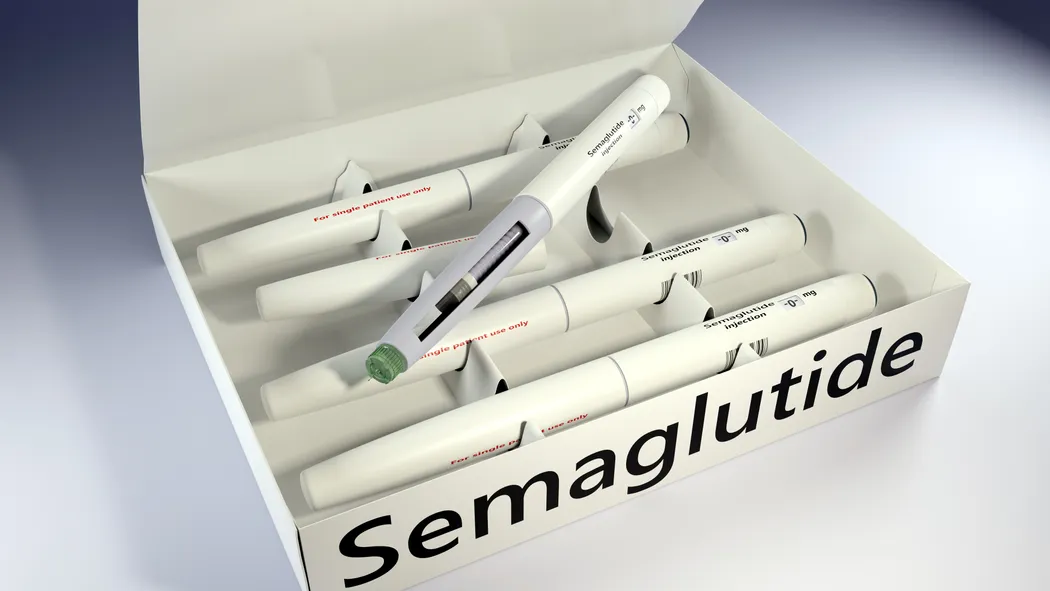
Before diving into the visual results, it is important to understand what Ozempic is. Ozempic is a prescription medication developed by Novo Nordisk. Its active ingredient is semaglutide.

The U.S. Food and Drug Administration (FDA) approved Ozempic in 2017 to help adults with Type 2 diabetes manage their blood glucose levels alongside diet and exercise. Ozempic is not FDA-approved specifically as a weight-loss medicine. Semaglutide is also available as Wegovy, which is specifically approved for chronic weight management.

Because semaglutide can reduce appetite and food intake, people taking Ozempic may lose weight. Doctors may prescribe medicines off-label when they consider this clinically appropriate, but the approved indication depends on the specific product.

How Ozempic Works in the Body

Ozempic belongs to a class of medicines known as GLP-1 receptor agonists, or glucagon-like peptide-1 receptor agonists. GLP-1 is a natural hormone released by the gut after eating.

Ozempic mimics some of the effects of this hormone and remains active in the body much longer than naturally occurring GLP-1. It can support weight loss through several physiological mechanisms:

  • Appetite Regulation in the Brain: Ozempic acts on areas involved in appetite and food intake. This can reduce hunger and help some people feel satisfied with smaller amounts of food.
  • Delayed Gastric Emptying: The medicine can slow the movement of food from the stomach into the small intestine, which may contribute to a longer-lasting feeling of fullness.
  • Blood Sugar Regulation: Ozempic increases insulin secretion when blood glucose is elevated and reduces glucagon secretion. These effects help improve blood glucose control in people with Type 2 diabetes.

Reduced appetite and food intake can make it easier for some people to maintain a calorie deficit, which can contribute to weight loss.

What Real Ozempic Weight Loss Pictures Tell Us About Visual Results

When you browse online, you will find many public posts featuring ozempic weight loss pictures. These images may provide a visual impression of changes in body size and shape during treatment.

If you are searching for ozempic for weight loss images, several changes may be noticeable in some people:

1. Significant Reduction in Body Fat

Weight loss can reduce both subcutaneous fat, which is located beneath the skin, and visceral fat, which surrounds internal organs. Changes in waist circumference and overall body shape may therefore be visible in before-and-after photographs.
However, the amount and pattern of fat loss vary considerably between individuals.

2. Changes in Facial Structure

You may have heard the term "Ozempic face" used in media discussions. This is not a specific medical diagnosis. It generally refers to changes in facial appearance that can occur with substantial weight loss.

When body weight decreases, facial fat can also decrease. Some people may notice more defined facial features, while substantial or rapid weight loss can make the face appear less full.

3. Changes in Mobility

Weight loss can reduce the mechanical load placed on weight-bearing joints and may make movement easier for some people. Improvements in mobility and physical activity can occur alongside weight loss, although the experience varies from person to person.

It is important to remember that photographs show only external changes. They cannot show changes in blood glucose, blood pressure, cholesterol, fitness, sleep or other measures of health. Before-and-after images also do not provide enough information to predict how another person will respond to treatment.

Who Is Eligible for Ozempic?

Because Ozempic is a prescription medicine that affects metabolic processes, it is not intended for casual or short-term weight loss. Eligibility depends on the specific medicine, its approved indication and the individual's health circumstances.

Official Clinical Guidelines for Weight Management

When semaglutide is being considered for chronic weight management, healthcare providers commonly assess criteria such as:
An adult with a Body Mass Index (BMI) of 30 kg/m² or greater, classified as obesity.

An adult with a BMI of 27 kg/m² to 29.9 kg/m², classified as overweight, who also has at least one weight-related medical condition, such as High blood pressure (hypertension), Type 2 diabetes or prediabetes, High cholesterol (dyslipidaemia), Obstructive sleep apnoea, or cardiovascular disease

These criteria apply to approved weight-management use of semaglutide and should not be assumed to be the eligibility criteria for Ozempic's separate approved indications.

Who Should Avoid Ozempic?

Ozempic is not suitable for everyone. It is contraindicated in people with:

  • Medullary Thyroid Carcinoma (MTC): A personal or family history of this specific type of thyroid cancer is a contraindication.
  • Multiple Endocrine Neoplasia syndrome type 2 (MEN 2): Ozempic should not be used in people with this inherited endocrine condition.
  • Severe Hypersensitivity: People with a previous serious allergic reaction to semaglutide or any of the product's ingredients should not use it.

A history of pancreatitis, gallbladder disease, kidney problems or other significant medical conditions requires careful assessment before treatment. Ozempic is not recommended for weight management during pregnancy, and pregnancy plans should be discussed with a healthcare professional before treatment.

The Realistic Timeline: What to Expect

Weight loss with semaglutide is generally gradual. Ozempic is administered as a subcutaneous injection, meaning it is injected under the skin, once a week.

To improve tolerability, treatment is generally started at a low dose and increased gradually according to the prescribing information and clinical judgement. The exact dose and timing of dose increases depend on the specific product and treatment plan.
 

TimeframeTypical DosageWhat May Happen
Month 10.25 mg weeklyThe body begins adapting to the medicine. Gastrointestinal side effects may occur, and some people may experience early changes in appetite or body weight.
Month 20.5 mg weeklyThe dose may be increased according to the prescribing information and tolerability. Appetite and food intake may change further.
Month 3 and 4Further dose increases may be consideredTreatment may continue to be adjusted according to the specific product, treatment response and tolerability.

Dose increases should not be made independently. A prescribing healthcare professional determines whether and when an increase is appropriate.

In major clinical trials of semaglutide for chronic weight management, participants lost an average of about 15% of their initial body weight over 68 weeks when treatment was combined with a reduced-calorie diet and increased physical activity. Individual results can vary considerably.

Potential Side Effects and How to Manage Them

Like any prescription medicine, Ozempic can cause side effects. Gastrointestinal effects are among the most commonly reported and may become more noticeable when treatment is started, or the dose is increased.

Common Side Effects

  • Nausea
  • Vomiting
  • Diarrhoea
  • Constipation
  • Stomach pain or bloating
  • Acid reflux or heartburn

How to Manage Mild Side Effects

  • Eat smaller meals: Smaller portions may be easier to tolerate, particularly if nausea or early fullness occurs.
  • Stay hydrated: Adequate fluid intake is particularly important if diarrhoea or vomiting occurs.
  • Limit greasy or high-fat meals: These foods may worsen gastrointestinal symptoms for some people.
  • Prioritise fibre: If constipation becomes a problem, fibre-rich foods may help. A healthcare professional can advise whether a fibre supplement is appropriate.

Rare but Serious Risks

Serious complications can occur, although they are less common. Severe or persistent abdominal pain, particularly if it radiates to the back, may indicate pancreatitis and requires prompt medical assessment. Persistent vomiting, significant dehydration or symptoms of a serious allergic reaction also require medical attention.

Why Lifestyle Changes Still Matter

A common misconception is that Ozempic replaces healthy eating and physical activity. In reality, medicine is generally used as part of a broader approach to weight management rather than as a substitute for lifestyle measures.

Protect Your Muscle Mass

Weight loss can involve the loss of both fat and lean tissue. Regular resistance or strength training and adequate protein intake can help support muscle mass during weight loss.

Focus on Nutrient-Dense Foods

Because appetite may decrease and portion sizes may become smaller, the nutritional quality of meals remains important. A balanced eating pattern can include:

  • Lean proteins such as chicken, fish, tofu and yoghurt
  • Vegetables and fruits for vitamins, minerals and fibre
  • Whole grains such as brown rice and oats
  • Healthy fats from foods such as avocados, nuts and olive oil

Plan for the Long Term

Obesity is a chronic health condition, and maintaining weight loss can require ongoing support. Some people regain weight after stopping semaglutide, partly because appetite and food intake may increase again.
A long-term plan that includes appropriate nutrition, physical activity and medical follow-up can help support weight management over time.

Conclusion

Ozempic contains semaglutide, which can reduce appetite and food intake and may lead to weight loss in some people. However, Ozempic is not FDA-approved specifically for weight loss. Semaglutide is also available as Wegovy, which is approved for chronic weight management. Weight-loss results vary, and treatment is generally considered alongside appropriate nutrition and physical activity.

If you are considering semaglutide for weight management, your suitability may depend on your medical history, current medicines, health conditions, and treatment goals. A healthcare practitioner can assess the potential benefits and risks and help tailor treatment to your individual circumstances.

FAQS

Is Ozempic FDA-approved specifically for weight loss?

No. Ozempic is FDA-approved for the treatment of Type 2 diabetes and certain cardiovascular risk reduction in eligible adults with Type 2 diabetes. Semaglutide is also available as Wegovy, which is specifically approved for chronic weight management. Doctors may prescribe Ozempic off-label when they consider it clinically appropriate.

How long does it take to see results on Ozempic?

Some people notice changes in appetite relatively early in treatment, but the amount and timing of weight loss vary. More noticeable changes generally develop over several months as treatment is adjusted according to tolerability and clinical response. There is no fixed timeline that applies to everyone.

Are the ozempic weight loss pictures I see online realistic?

Some may show genuine changes, but photographs cannot predict how another person will respond to treatment. Results depend on factors such as starting body weight, treatment dose, diet, physical activity, health conditions and individual response. It is more useful to assess progress using personal health and treatment goals rather than comparing photographs.

What should I do if I experience severe nausea?

Mild nausea can occur, particularly when treatment begins or the dose is increased. Severe nausea that prevents eating or drinking, persistent vomiting or signs of dehydration require prompt contact with a healthcare professional. The treatment plan may need to be reviewed.

Will insurance cover Ozempic if I do not have Type 2 diabetes?

Coverage depends on the country, health insurance policy, product and approved indication. Ozempic is not specifically approved by the FDA for weight management, so coverage for off-label use may be limited. A healthcare professional can discuss approved weight-management options and the potential costs involved.

Apollo 247 Floating Action Button