0

Ozempic and Semaglutide for Weight Loss

Discover how semaglutide and Ozempic work for weight loss, who may be eligible, potential side effects, treatment expectations and safety considerations.

article image

Dr.Yusuf

If you have been looking into modern medical weight management options, you have likely encountered discussions about semaglutide and Ozempic for weight loss. Originally developed to treat Type 2 diabetes, semaglutide has become an important medicine in discussions around chronic weight management.

For decades, weight loss advice was often oversimplified to "eat less and move more". Today, obesity is recognised as a complex, chronic health condition influenced by biological, behavioural and environmental factors. Medicines such as semaglutide can be one therapeutic tool for people who meet appropriate clinical criteria.

Before diving into the details, this article provides an overview of how these treatments relate. It explores how semaglutide works, who may qualify for treatment, what to expect during treatment and how to approach this clinical option safely.

For personalised support with weight management, explore weight-loss guidance from Apollo 24|7 and find an approach suited to your health goals.

What is Semaglutide and Ozempic?

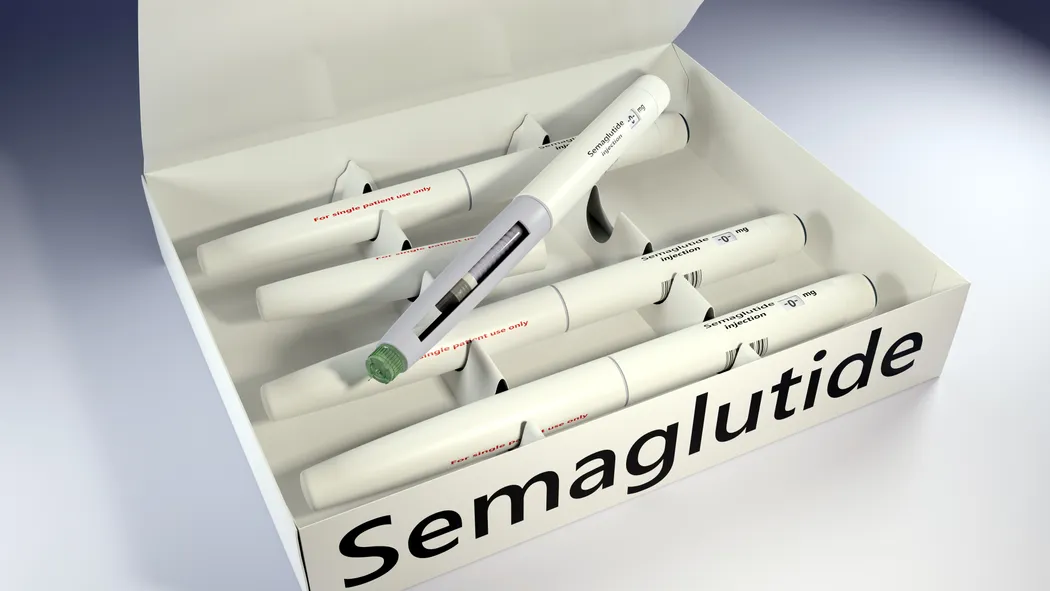
To understand how this medicine helps with weight management, it is helpful to clear up the difference between the drug name and the brand name. Semaglutide is the active drug ingredient, while Ozempic is one brand of semaglutide.

Semaglutide belongs to a class of medicines called GLP-1 receptor agonists, which mimic some of the actions of glucagon-like peptide-1, a hormone naturally released by the body after eating. Semaglutide is available under different brand names and formulations for specific medical uses.

  • Ozempic: An injectable medicine approved by the FDA to improve blood glucose control in adults with Type 2 diabetes and to reduce the risk of certain major cardiovascular events in eligible adults with Type 2 diabetes and established cardiovascular disease.
  • Wegovy: An injectable semaglutide medicine specifically approved for chronic weight management in eligible adults and certain adolescents, alongside a reduced-calorie diet and increased physical activity.
  • Rybelsus: An oral tablet containing semaglutide approved for managing Type 2 diabetes.

While Ozempic is not specifically FDA-approved for weight management, healthcare providers may prescribe it off-label when they consider this clinically appropriate. Ozempic and Wegovy contain the same active ingredient, semaglutide, but they are approved for different indications and have different dosing regimens.

The Ozempic Semaglutide Weight Loss Mechanism: How It Works

How does a medicine designed for blood glucose control contribute to weight reduction? The answer lies partly in the way semaglutide mimics GLP-1.

Semaglutide mimics the action of GLP-1, a hormone naturally released by the digestive system after eating. It acts on pathways involved in appetite, food intake, digestion and blood glucose regulation.

Specifically, semaglutide works through several important pathways:

1. Delaying Gastric Emptying

Semaglutide can slow the rate at which food leaves the stomach and enters the small intestine. This may contribute to a longer-lasting feeling of fullness after eating and may help reduce food intake.

2. Signaling Fullness in the Brain

Semaglutide acts on areas of the brain involved in appetite regulation. By activating GLP-1 receptors, it can reduce hunger and food intake and increase feelings of fullness.

3. Regulating Insulin and Blood Sugar

Semaglutide stimulates insulin secretion when blood glucose levels are elevated and reduces glucagon secretion. These effects help improve blood glucose regulation, particularly in people with Type 2 diabetes.

Reduced appetite and food intake can make it easier for some people to maintain a reduced calorie intake, which can contribute to weight loss.

Who Is Eligible for Semaglutide Ozempic for Weight Loss?

While semaglutide can support clinically meaningful weight loss in appropriate patients, it is not intended as a quick cosmetic treatment or simply for losing a few pounds before an event. It is a prescription therapy used for specific medical indications and requires appropriate clinical assessment.

Medical eligibility for semaglutide used for chronic weight management is typically based on Body Mass Index (BMI), weight-related health conditions and the specific product's approved indication.

Standard Eligibility Criteria

According to commonly used clinical criteria for chronic weight management, a person may be considered for treatment when they meet one of the following:

  • An adult with a Body Mass Index (BMI) of 30 kg/m² or greater, classified as obesity.
  • An adult with a BMI of 27 kg/m² to 29.9 kg/m², classified as overweight, who also has at least one weight-related medical condition, such as High blood pressure (hypertension), Type 2 diabetes or prediabetes, High cholesterol (dyslipidaemia), Obstructive sleep apnoea, or cardiovascular disease

Eligibility can vary according to the specific product, regulatory approval and individual clinical circumstances.

Who Should Avoid Semaglutide?

Semaglutide is not suitable for everyone. It should not be used by people with:

  • Medullary Thyroid Carcinoma (MTC): A personal or family history of this specific type of thyroid cancer is a contraindication.
  • Multiple Endocrine Neoplasia syndrome type 2 (MEN 2): This inherited endocrine condition is a contraindication to semaglutide treatment.
  • Severe Hypersensitivity: People who have experienced a serious allergic reaction to semaglutide or any of its ingredients should not use the medicine.

A history of pancreatitis, gallbladder disease, kidney problems or other significant medical conditions requires careful assessment before treatment. Semaglutide should not be used for weight management during pregnancy. Anyone who is pregnant, planning pregnancy or breastfeeding should discuss treatment with an appropriate healthcare professional.

What to Expect: The Ozempic Semaglutide Weight Loss Timeline

Clinical research on semaglutide for chronic weight management has shown meaningful average weight loss when the medicine is used alongside lifestyle measures. In major clinical trials, participants receiving a therapeutic dose of semaglutide alongside a reduced-calorie diet and increased physical activity lost an average of about 15% of their initial body weight over 68 weeks.

Treatment is generally introduced at a low dose and increased gradually. This process is known as titration and is intended to help the body adjust to treatment and improve tolerability. Here’s what a typical weight loss timeline looks like:

Phase
 
Dosage Range
 
What is Happening
 
Month 1 (Weeks 1-4)
 
0.25 mg weekly
 
Introduction phase. The low starting dose helps the body adjust to treatment. Gastrointestinal side effects may occur, and some people may experience early changes in appetite or weight.
 
Month 2 (Weeks 5-8)
 
0.5 mg weekly
 
Step-up phase. The dose may be increased according to the specific product's prescribing information and tolerability.
 
Months 3-5 (Weeks 9-20)
 
Further dose increases may be considered
 
Treatment may continue to be adjusted according to the specific product, treatment response and tolerability.
 
Month 6 and beyond
 
Maintenance dose varies by product
 
A maintenance dose is continued according to the specific product, treatment response and clinical judgement.
 

The exact dose and timing of dose increases depend on the semaglutide product being used. Dose adjustments should be made by the prescribing healthcare professional rather than independently.

Potential Side Effects and Safety Considerations

Like any prescription medicine, semaglutide can cause side effects. Gastrointestinal effects are among the most commonly reported, particularly when treatment is started or the dose is increased. They may become less troublesome as the body adjusts to treatment.

Common Side Effects

  • Nausea: Often occurs when treatment is started or the dose is increased.
  • Vomiting and diarrhoea: These can occur as the digestive system adapts to treatment.
  • Constipation: Changes in gastrointestinal movement can contribute to constipation.
  • Heartburn or acid reflux: Delayed gastric emptying may contribute to these symptoms.
  • Fatigue: Some people report tiredness, particularly during the early stages of treatment.

Rare but Serious Risks

Although less common, serious side effects can occur and may require prompt medical attention.

  • Pancreatitis: Severe or persistent abdominal pain, particularly if it radiates to the back, requires urgent medical assessment.
  • Gallbladder problems: Gallstones or inflammation of the gallbladder can occur.
  • Kidney injury: Severe vomiting or diarrhoea can cause dehydration, which may contribute to kidney injury.
  • Hypoglycaemia: Low blood glucose can occur, particularly when semaglutide is used with certain other diabetes medicines.

Tips for Managing Side Effects

Some practical measures may help with tolerability during treatment:

  • Eat smaller portions: Large meals may worsen nausea or vomiting, particularly when stomach emptying is delayed.
  • Avoid greasy or highly fried foods: These foods may worsen digestive discomfort for some people.
  • Stay hydrated: Adequate fluid intake is particularly important if vomiting or diarrhoea occurs.
  • Prioritise lean protein and fibre: A balanced diet containing adequate protein and fibre can support nutritional needs during weight loss. Fibre intake may also help with constipation, provided it is appropriate for the individual.

Persistent or severe symptoms should be discussed promptly with the prescribing healthcare professional.

Conclusion

Semaglutide can support weight loss in eligible people by reducing appetite and food intake, and clinical studies have shown meaningful average weight loss when it is used alongside lifestyle measures. However, Ozempic is not specifically FDA-approved for weight management. Semaglutide is also available as Wegovy, which is approved for chronic weight management, while the appropriate use depends on the specific product and indication.

If you are considering semaglutide for weight management, your suitability may depend on your medical history, current medicines, health conditions, and treatment goals. A healthcare practitioner can assess the potential benefits and risks and help tailor treatment to your individual circumstances.

FAQS

Is Ozempic FDA-approved for weight loss?

No. Ozempic is not specifically FDA-approved for weight management. It is approved for Type 2 diabetes and for certain cardiovascular risk reduction in eligible adults with Type 2 diabetes. Semaglutide is also available as Wegovy, which is specifically approved for chronic weight management. Ozempic may be prescribed off-label for weight management when a healthcare professional considers it appropriate.

How long do I need to take semaglutide for weight loss?

Treatment duration varies according to the individual, response to treatment, tolerability and clinical goals. Because obesity is a chronic health condition, some people may require longer-term treatment to help maintain weight loss. Weight regain can occur after semaglutide is stopped, so any decision to discontinue treatment should be discussed with the prescribing healthcare professional.

What is the difference between Ozempic and Wegovy?

Both contain semaglutide, but they are approved for different primary indications and have different dosing regimens. Ozempic is approved for Type 2 diabetes and certain cardiovascular risk reduction in eligible adults with Type 2 diabetes, while Wegovy is specifically approved for chronic weight management.

Can I use semaglutide if I do not have diabetes?

Yes, semaglutide can be used for chronic weight management in eligible people who do not have diabetes when the relevant semaglutide product is approved for that indication and a healthcare professional considers treatment appropriate. Eligibility commonly includes a BMI of 30 kg/m² or greater, or a BMI of 27 kg/m² or greater with at least one weight-related health condition.

Do I still need to diet and exercise while taking Ozempic?

Yes. Semaglutide is generally used alongside appropriate nutrition and physical activity rather than as a replacement for them. A balanced diet, adequate protein and resistance training can help support muscle mass during weight loss, while regular physical activity supports cardiovascular and overall health.

Apollo 247 Floating Action Button