0

Krill Oil Benefits Weight Loss: Does It Really Work?

When you are on a journey to shed some extra pounds, it is completely normal to look for a little extra support. Your social media feeds and local health food store shelves are likely filled with supplements promising quick fixes. However, as most of us learn the hard way, magic pills do not exist. Healthy weight management always comes down to a balanced diet, regular movement, and healthy lifestyle choices.

But what if certain supplements could actually give your body a helpful boost from the inside out?

Lately, krill oil has taken the wellness world by storm. Harvested from tiny, shrimp-like crustaceans living in the cold waters of the Antarctic, krill oil is highly praised for its rich concentration of omega-3 fatty acids. But beyond supporting your heart and brain, can it help you trim down?

In this article, we will take a deep, science-backed look at how krill oil benefits weight loss, explore the biological mechanisms at play, and help you decide if this red-hued supplement deserves a spot in your daily routine.

Want to take the next step towards healthier weight management? Get personalised weight-loss guidance from Apollo 24|7 to make informed choices for your health.

article image

Dr.Vasantha Sree

What is Krill Oil?

Before diving into weight loss, let’s understand what makes krill oil so unique. Like traditional fish oil, krill oil is packed with two essential omega-3 fatty acids: eicosapentaenoic acid (EPA) and docosahexaenoic acid (DHA). Because our bodies cannot produce these essential fats on their own, we must get them from our diet or supplements.

However, krill oil has a distinct advantage over standard fish oil. In fish oil, the omega-3s are bound to triglycerides. In krill oil, they are bound to phospholipids. This structural difference makes krill oil highly bioavailable, meaning your body can absorb and utilise the fatty acids much more easily and efficiently.

Additionally, krill oil contains a powerful, naturally occurring antioxidant called astaxanthin. This antioxidant gives krill oil its deep red colour and helps protect your cells from oxidative damage, making omega 3 krill oil weight loss strategies highly popular among wellness enthusiasts.

How Krill Oil Benefits Weight Loss: The Science

So, does krill oil help with weight loss? The short answer is yes - but perhaps not in the way you might expect. Krill oil is not an appetite suppressant that will make pounds melt away overnight. Instead, it works on a cellular level to optimise your metabolism, reduce inflammation, and improve how your body handles fat.

Here is a breakdown of how krill oil benefits weight loss by improving your metabolic health:

1. Reducing Chronic Inflammation

Obesity and weight gain are closely linked to chronic, low-grade inflammation. When your body is inflamed, it can disrupt hormones like leptin (the fullness hormone) and insulin, making it much easier to store fat and harder to lose it.

Because krill oil is rich in EPA, DHA, and astaxanthin, it is incredibly effective at lowering inflammatory markers in the body. By reducing this systemic inflammation, krill oil helps restore hormonal balance, making your body more receptive to fat loss.

2. Improving Insulin Sensitivity

Insulin is the hormone responsible for clearing sugar out of your bloodstream and moving it into your cells for energy. When you have poor insulin sensitivity (or insulin resistance), your body struggles to use carbs for fuel. Instead, it pumps out more insulin, which signals your body to store excess glucose as fat, particularly around the belly.

Research suggests that the omega-3s in krill oil can help improve insulin sensitivity. When your insulin works efficiently, your body is much more likely to use your food as immediate energy rather than storing it as stubborn fat.

3. Boosting Metabolic Rate

Your metabolism dictates how many calories your body burns at rest and during exercise. Some studies indicate that omega-3 fatty acids can stimulate metabolism by increasing mitochondrial function (the energy powerhouses inside your cells). A healthier, faster metabolism naturally supports your krill oil weight loss goals by helping you burn more calories throughout the day.

4. Directing Fat Storage Away from the Liver

Non-alcoholic fatty liver disease is a common metabolic issue associated with weight gain. Clinical studies show that the phospholipid-bound omega-3s in krill oil can help reduce fat accumulation in the liver. A healthier liver translates to a more efficient fat-burning process and better overall metabolic health.
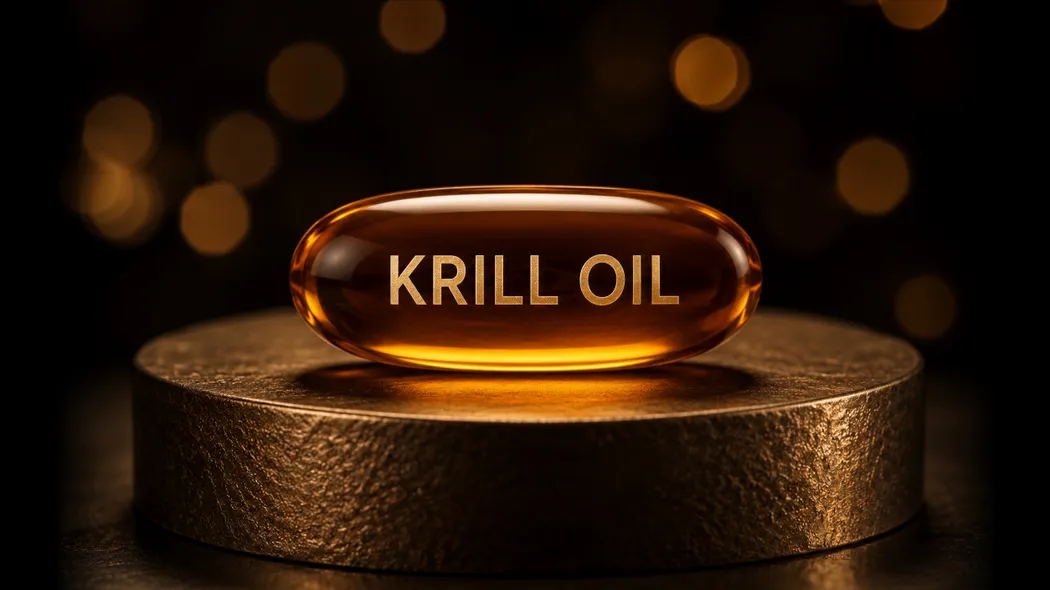
Is Krill Oil Good for Weight Loss? What the Research Says

When exploring whether is krill oil good for weight loss, it is important to look at clinical studies.

While there are limited human clinical trials focused solely on krill oil and weight loss, there is a mountain of scientific evidence regarding omega-3 fatty acids and body composition. Because krill oil is one of the most absorbable forms of omega-3s on the market, these benefits apply directly to it.

  • Reduction in Body Fat Percentage: Multiple clinical studies have shown that individuals who combine regular aerobic exercise with omega-3 supplementation experience a greater reduction in body fat percentage compared to those who only exercise.
  • Targeting Visceral Fat: Visceral fat is the dangerous fat stored deep around your abdominal organs. Research suggests that omega-3 fatty acids are particularly effective at helping to reduce visceral fat, which dramatically lowers your risk of cardiovascular disease.
  • Preserving Lean Muscle: During a calorie deficit, your body often burns both fat and muscle. Omega-3s help preserve lean muscle mass. The more muscle you keep, the higher your metabolic rate remains, which prevents the common "metabolic slowdown" associated with dieting.

Ultimately, using krill oil for weight loss works best when it is treated as a supportive tool rather than a standalone cure. It prepares your body's internal chemistry to respond better to your dietary and exercise efforts.

Krill Oil vs. Fish Oil: Which is Better for Weight Loss?

If you are looking to add an omega-3 supplement to your routine, you might wonder why you should choose krill oil over standard fish oil. While both offer valuable health benefits, krill oil holds a few distinct advantages:

Feature

Krill Oil

Fish Oil

Form of Omega-3

Phospholipids (highly absorbable)

Triglycerides (less absorbable)

Antioxidants

High in astaxanthin

Extremely low or none

Digestive Comfort

Easy on the stomach, no fishy burps

Can cause a fishy aftertaste/reflux

Sustainability

Highly regulated, low in the food chain

Highly variable, with potential for overfishing

Because of its superior absorption rate, you actually need a smaller dose of krill oil to achieve the same metabolic and health benefits as a larger dose of fish oil.

How Much Krill Oil Should I Take for Weight Loss?

If you are ready to add this supplement to your wellness routine, you are probably asking: how much krill oil should i take for weight loss?

According to health authorities like the Cleveland Clinic and the Mayo Clinic, general daily recommendations for omega-3 fatty acids are as follows:

  • For general health and metabolic support: 250 to 500 mg of combined EPA and DHA per day is standard.
  • For targeted weight support and inflammation reduction: Many clinical studies use higher doses. This typically translates to taking 1,000 mg to 2,000 mg of high-quality krill oil daily.

Always check the supplement label to see the actual amount of EPA and DHA per serving, as this is more important than the total weight of the oil.

Tip: To maximise absorption and avoid any potential stomach discomfort, it is best to take your krill oil supplement with a meal that contains healthy fats, such as eggs, avocado, or olive oil.

Optimising the Connection Between Krill Oil and Weight Loss


To get the absolute most out of the relationship between krill oil and weight loss, you must look at the bigger picture. A supplement can only do so much if your daily habits do not align with your goals.

Here are a few actionable ways to maximise your results:

  • Focus on a Whole-Food Diet: Pair your supplement with a diet rich in lean proteins, fiber, vegetables, and complex carbohydrates.
  • Stay Physically Active: Combine strength training with aerobic exercises. Omega-3s help reduce post-workout muscle soreness, making it easier to stay consistent with your fitness routine.
  • Prioritise Sleep: Lack of sleep spikes cortisol (the stress hormone), which encourages fat storage. Aim for 7 to 9 hours of quality sleep per night.
  • Manage Stress: High stress levels can lead to emotional eating and weight gain. Practising mindfulness, yoga, or simple breathing exercises can make a massive difference.

FAQ

Does krill oil burn fat directly?

No, krill oil does not burn fat directly like a stimulant or thermogenic fat burner. Instead, it supports weight loss by reducing systemic inflammation, improving insulin sensitivity, and optimising your metabolism, which helps your body burn fat more efficiently.

Are there any side effects of taking krill oil?

Krill oil is highly tolerated by most people. However, some individuals may experience mild digestive symptoms such as nausea, loose stools, or mild bloating. Because krill is a shellfish, anyone with a shellfish allergy must avoid krill oil entirely.

Can I take krill oil if I am on blood thinners?

Omega-3 fatty acids, including those in krill oil, have mild blood-thinning properties. If you are taking prescription blood thinners or are scheduled for surgery, you should consult your healthcare provider before starting krill oil.

How long does it take to see weight loss results with krill oil?

Because krill oil works on a cellular level to improve metabolic health, results are gradual. Most people begin to notice improvements in their energy levels, joint comfort, and overall well-being within 4 to 8 weeks of consistent daily use, alongside a healthy diet and exercise program.

Is it better to take krill oil in the morning or at night?

You can take krill oil at whatever time of day is easiest for you to remember. However, it is highly recommended to take it alongside your largest meal of the day to enhance absorption and prevent any potential digestive upset.

Conclusion

While krill oil is not a magic solution that will instantly melt away body fat, the scientific evidence supporting its metabolic benefits is incredibly promising. By combating chronic inflammation, boosting insulin sensitivity, and improving cellular health, krill oil creates an internal environment that makes your fat-loss efforts much more effective.

If you are ready to support your health journey from the inside out, consider discussing krill oil with your healthcare provider to find the perfect dosage for your unique needs

Load more products
Apollo 247 Floating Action Button