0

In this article

  • What Is Gripe Water?
  • What Does Gripe Water Do? The Main Benefits
  • A Trusted Classic: Woodwards Gripe Water
  • Safety First: Gripe Water Newborn Guidelines
  • Proper Dosage: How Much Should You Give?
  • How to Administer Gripe Water Safely?
  • Alternative Ways to Soothe a Colicky Baby
  • Conclusion

Gripe Water for Babies: Uses, Dosage & Benefits Guide

Learn about gripe water for babies, including its uses, benefits, ingredients, and safe dosage. Discover when to use it and important safety tips for infants.
 

article image

Apollo Pharmacy

Watching your baby cry endlessly can be exhausting and worrying, especially when you are unsure what is causing the discomfort. Many infants experience common digestive issues like gas, colic, or mild tummy upset in their early months, which can lead to frequent fussiness.

Gripe water is a traditional remedy that has been used for generations to soothe these symptoms. It is often given to help ease gas, calm fussiness, and support digestion. However, with so many variations available today, it is important to understand what it contains, how it works, and whether it is suitable for your baby.

This guide will walk you through the uses of gripe water, how it is typically given, and what to keep in mind before using it for your child.
 

What Is Gripe Water?

Gripe water is a liquid supplement traditionally used to help soothe common digestive discomforts in babies, such as gas, bloating, and fussiness. It has been around since the 19th century, when it was first created to ease stomach-related issues in infants. Over time, the formulation has changed significantly to align with modern safety standards.

Earlier versions often contained alcohol and added sugars, which are no longer considered safe for infants. Today, most commercially available options are alcohol-free and designed to be gentler on a baby’s developing system. Many parents specifically look for non-alcoholic gripe water with simple, child-safe ingredients.

Modern gripe water typically contains a blend of herbal extracts that are traditionally associated with digestive comfort. These may include.

  • Fennel: May help relax the digestive tract and support the release of trapped gas, reducing discomfort.
  • Ginger: Often used to soothe the stomach and may help ease mild nausea or irritation.
  • Chamomile: Known for its calming properties, which may help settle a fussy or restless baby.
  • Lemon balm: May support digestion and help reduce mild bloating.

Unlike prescription medicines, gripe water is considered a supplement rather than a strictly regulated medication. It works in a gentle, supportive way rather than directly treating a specific medical condition.

Because formulations can vary between brands, it is always important to check the ingredient list and consult a paediatrician before using it for your baby.
 

What Does Gripe Water Do? The Main Benefits

If you are wondering what gripe water does, it is commonly used to support a baby’s digestion and help ease mild discomfort caused by gas or an immature digestive system. Babies often swallow air while feeding or crying, which can lead to bloating and fussiness. Gripe water is thought to work by gently relaxing the digestive tract and helping trapped air pass more easily.

Here are some of its commonly reported uses.

1. Easing Infant Colic

Colic is often linked to gas-related discomfort, where babies cry for extended periods without a clear cause. Gripe water may help by relaxing the stomach and intestinal muscles, which can make it easier for gas to move through the system and reduce discomfort. Some parents find it helpful as part of a broader soothing routine.

2. Relieving Trapped Gas and Bloating

Babies can swallow air during feeding, especially if they are feeding quickly or crying. This trapped air may cause a tight, uncomfortable feeling in the abdomen. Gripe water may help relax the digestive muscles, making it easier for babies to burp or pass gas, which may reduce bloating.

3. Calming Hiccups

Hiccups in babies are usually caused by irritation of the diaphragm, often after feeding. Some parents use gripe water to help soothe this reflex. The gentle action of the liquid may help relax the diaphragm and settle hiccups more quickly.

4. Soothing Teething Fussiness

While gripe water is not a treatment for teething pain, its mild, soothing nature and calming herbal ingredients may help relax a baby who is unsettled. This can sometimes make them feel more comfortable during periods of fussiness.

Effects can vary from one baby to another, and it is best used as a supportive measure rather than a primary treatment.

Explore Gripe Water Here
 

A Trusted Classic: Woodwards Gripe Water

When discussing gripe water, one of the most recognised names that often comes up is Woodwards Gripe Water. It has been used by families for generations and continues to be a familiar choice for many parents.

Woodwards gripe water is commonly used to help relieve wind, griping pain, and mild tummy discomfort in babies. Its purpose is similar to other gripe water formulations; to gently support digestion and help ease gas-related fussiness.

Parents often look up the specific uses of Woodwards gripe water to understand whether it offers something different. In practice, its function remains largely the same as other well-formulated gripe waters. It is intended to help relax the digestive system, making it easier for babies to pass gas and feel more comfortable.

Many caregivers also consider it because it is widely available and formulated with infant use in mind. However, as with any supplement, it is important to check the ingredient list, follow the recommended dosage, and consult a paediatrician if you are unsure.

Even with well-known products, every baby may respond differently. What works well for one infant may not have the same effect for another, so it is best used thoughtfully as part of overall care.
 

Safety First: Gripe Water Newborn Guidelines

One of the most common concerns parents have is whether gripe water can be given to newborns. While it is widely used for infant digestive discomfort, extra caution is needed in the first few weeks of life.

Most paediatricians advise waiting until your baby is at least one month old before introducing gripe water. During the newborn stage, the digestive system is still very delicate, and even mild supplements may not be necessary unless specifically recommended by a doctor.

If you are considering using gripe water for a very young baby, keep the following precautions in mind.

  • Consult your paediatrician first: Always speak to your doctor before introducing any supplement. This is especially important for newborns, as their needs can vary based on their health and feeding pattern.
  • Check the ingredient list carefully: Choose a formulation that is alcohol-free and free from artificial colours, excess sugar, or unnecessary additives. Simpler formulations are generally preferred for infants.
  • Be mindful of sodium bicarbonate: Some gripe water products contain baking soda to help balance stomach acidity. While small amounts may be used in certain formulations, frequent or excessive use may affect the natural balance of your baby’s stomach.

Using gripe water thoughtfully and only when appropriate helps ensure your baby’s safety while their digestive system continues to develop.

Proper Dosage: How Much Should You Give?

Giving the right amount of gripe water is important for both safety and effectiveness. Since formulations can differ between brands, there is no single standard dose that applies to all products. Always follow the instructions provided on the bottle and your paediatrician’s advice.

General Dosage Guidelines

These are broad reference ranges to help you understand typical usage. Always prioritise the directions on your specific product.

  • Under 1 month: Not usually recommended unless specifically advised by a doctor. Most products do not provide a dosage for newborns due to their sensitive digestive systems.
  • 1 to 6 months: Commonly around 5 ml per dose, given a few times a day as needed. This is often the standard starting range for many formulations.
  • 6 months to 1 year: Around 10 ml per dose, depending on the product, given in divided doses across the day.

Start with the lowest suggested amount and observe how your baby responds. Avoid exceeding the recommended frequency, and do not combine multiple similar remedies at the same time.

If you are unsure about the correct dose or how often to give it, it is best to check with your paediatrician before use.

Woodwards Gripe Water Dosage Per Day

If you are using Woodwards gripe water, the recommended usage generally includes spacing doses throughout the day rather than giving them too close together. Most guidelines suggest not exceeding around six doses within a 24-hour period, with a gap of at least four hours between each dose.

This spacing allows your baby’s system to respond gradually and helps avoid overuse. Always refer to the product label for exact instructions and adjust only under medical guidance.

Can Older Children Use It?

Gripe water is not limited to infants and may also be used for older children in some cases. Toddlers and young children experiencing mild digestive discomfort, such as gas or bloating, may find it soothing.

The dosage for older children is usually higher than for infants, often around 2 to 3 teaspoons per dose, depending on the product. However, the purpose remains the same; to gently support digestion and provide comfort during mild tummy upset.

As with infants, it is advisable to follow product instructions carefully and consult a doctor if symptoms persist or if you are unsure about its use.
How to Administer Gripe Water Safely?

Giving a liquid supplement to a baby can take a bit of practice. Using the right method may help ensure your baby takes it comfortably and safely.

Here are some simple tips to follow.

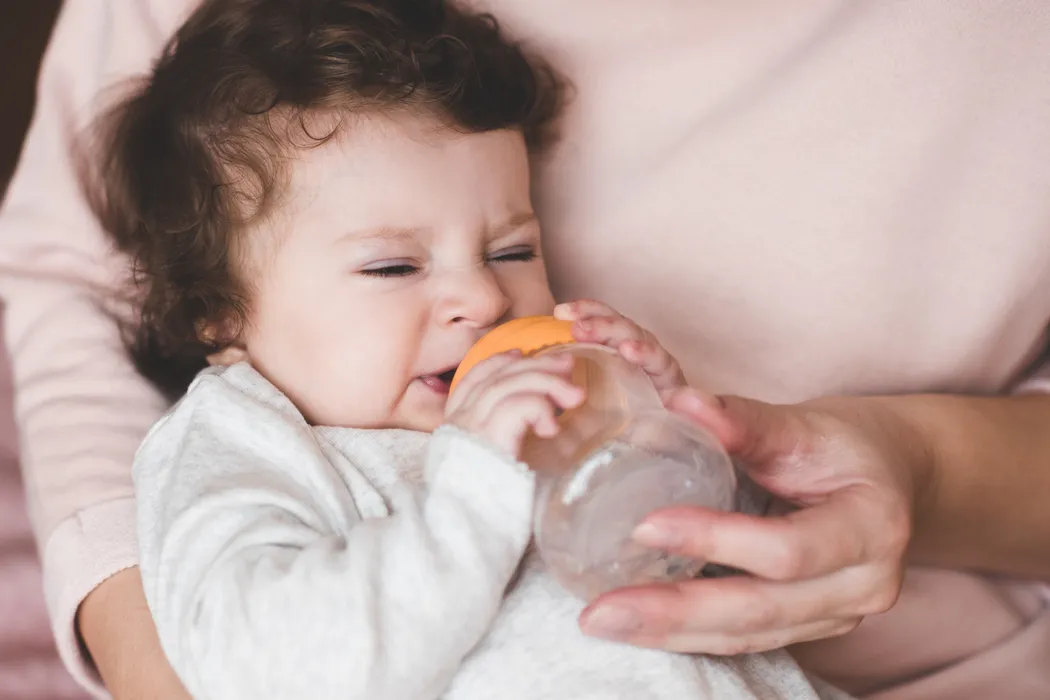
  • Use a dropper or syringe: Avoid pouring directly from the bottle. A dropper or oral syringe allows you to give small, controlled amounts into the side of your baby’s cheek, helping them swallow gradually and reducing the risk of choking.
  • Do not mix with milk: It is better to give gripe water on its own rather than mixing it with breast milk or formula. Mixing may change the taste and could lead to feed refusal.
  • Give after feeding: Administering gripe water about 10 to 15 minutes after a feed may be more effective, as this is when gas or discomfort tends to build up.

Taking a calm and gentle approach during administration can make the experience easier for both you and your baby.

Alternative Ways to Soothe a Colicky Baby

While gripe water may help in some cases, combining it with simple soothing techniques often works best. These gentle methods may help ease discomfort and support your baby’s digestion.

  • Tummy massage: Gently massaging your baby’s abdomen in a clockwise direction may help move trapped gas through the intestines. Use light pressure and a calm rhythm to keep your baby relaxed.
  • Bicycle legs: Lay your baby on their back and slowly move their legs in a cycling motion. This movement may help release gas and reduce bloating.
  • Warm baths: A lukewarm bath may help relax your baby’s muscles and provide overall comfort. The warmth can be soothing, especially during periods of fussiness.
  • Frequent burping: Pause during and after feeds to burp your baby. This may reduce the amount of air swallowed and help prevent gas build-up.

Using these techniques regularly, along with attentive feeding and comfort, may help reduce episodes of colic over time.

Conclusion

Navigating the early months of parenthood can feel overwhelming, especially when your baby is uncomfortable and unable to settle. Understanding how and when to use gripe water may help you make more confident choices while managing common digestive issues.

Whether you choose a modern herbal formulation or a well-known option like Woodwards gripe water, it is important to select an alcohol-free product, follow the recommended dosage, and use it thoughtfully.

Along with gentle remedies, patience, comfort, and attentive care play an equally important role. As your baby’s digestive system matures, these phases usually pass, making way for calmer and more settled days.

FAQS

Is gripe water safe for everyday use?

It may be used as per the recommended dosage on the product label, provided you are using a safe, alcohol-free formulation. However, if your baby seems to need it daily for a prolonged period, it is advisable to consult a paediatrician to rule out underlying causes such as reflux or feeding issues.

Can I give Woodwards gripe water to my 2-week-old baby?

It is generally not recommended for babies under one month of age. For very young infants, any supplement should only be given if specifically advised by a healthcare professional.

Does gripe water make babies sleepy?

Gripe water does not contain sedatives. However, once discomfort from gas or bloating is reduced, babies may appear calmer and fall asleep more easily.

Are there any side effects to watch for?

Side effects are uncommon, but it is important to watch for signs of sensitivity. These may include skin rashes, vomiting, watery eyes, or changes in breathing. If any unusual symptoms appear after use, seek medical attention promptly.

How long does it take for gripe water to work?

As a liquid, it is absorbed relatively quickly. Some babies may show signs of relief within a short period, while others may take a little longer. The response can vary depending on the baby and the cause of discomfort.

Apollo 247 Floating Action Button