
- Home
- Blog
- General Health
10 Effective Tips To Reduce Cholesterol
General Health
10 Effective Tips To Reduce Cholesterol
By Apollo 24|7, Published on- 16 August 2023, Updated on -23 August 2024
Share this article
0
0 like
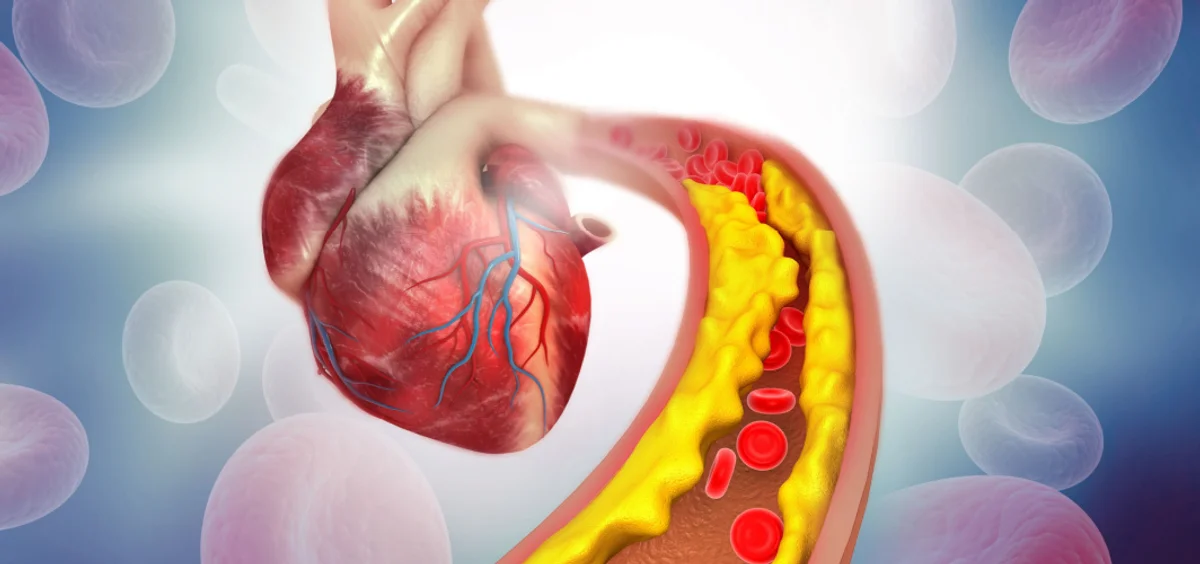
Cholesterol has gained significant attention due to its association with cardiovascular diseases. A survey showed that about 39% of Indians who had high cholesterol levels also had heart issues. Cholesterol is a waxy substance that is found in every cell of the body and has multiple functions such as hormone production, digestion, and vitamin synthesis. However, having high levels of cholesterol in the blood can be detrimental to your health as it tends to build plaques in the blood vessels. These plaques constrict blood flow, increasing the risk of stroke, heart disease and peripheral artery disease. Here, we discuss the types of cholesterol that are considered harmful and provide useful tips to keep your levels of cholesterol in check.
Types of Cholesterol
Cholesterol is classified into two major types: low-density lipoprotein (LDL) and high-density lipoprotein (HDL).
1. LDL Cholesterol
This form of cholesterol, known popularly as "bad cholesterol", has smaller molecules and can form plaques in arteries. These plaques then constrict blood flow, which can eventually cause cardiovascular diseases.
2. HDL Cholesterol
This form of cholesterol, also known as "good cholesterol", collects cholesterol molecules from different parts of the body and transports them to the liver, where excess cholesterol is eliminated.
Recommended Levels of Cholesterol in People Aged Above 20 Years:
Type of cholesterol | Men | Women |
Total Cholesterol | 125 to 200 mg/dL | 125-200 mg/dL |
Non-HDL | < 130 mg/dL | < 130 mg/dL |
LDL | < 100 mg/dL | < 100 mg/dL |
HDL | 40 mg/dL or higher | 50 mg/dL or higher |
Tips to Keep Cholesterol Levels in Check
Here are some tips to keep your cholesterol levels in check.
1. Eat a Heart-Healthy Diet
Highly processed foods such as common fried food and sugary desserts are generally considered bad as they can increase LDL cholesterol (trans fats and saturated fats). Here are some actionable food recommendations that can work to ensure a healthy heart:
- Limit your consumption of red meat or dairy products as containing full fat. Instead, you can consume egg whites and lean chicken (i.e., chicken without fat strips) as your source of animal proteins.
- For vegetarian sources of protein, choose low-fat paneer, soybean, or pulses (i.e., daal).
- A high carbohydrate intake can also reduce the levels of good cholesterol. Ensure that at each meal, your plate has enough vegetables (or fruits) and protein. Adding simple salads made of cucumber, radish, onion, and carrots to each meal can make you feel full and reduce your intake of carbohydrates.
2. Change Your Cooking Oil
Trans and saturated fats can increase the levels of bad cholesterol. Conversely, polyunsaturated fats are good fats and are present in a variety of oils.
- Avoid using butter, margarine, or vanaspati for cooking.
- Prefer unsaturated oils like groundnut oil, sesame oil, sunflower oil, and olive oil.
3. Limit Processed Foods and Added Sugars
Reducing the intake of foods that are processed and going for whole, unprocessed foods can help lower cholesterol.
- Avoid processed or fast food items, instead, opt for wholesome home-cooked meals.
- Always check the food label for the percentage of sugar and fats in the processed food item you purchase.
- Avoid sugary beverages, instead, opt for refreshing drinks like coconut water or traditional kokum sharbat. These have essential minerals that are good for the body.
4. Exercise Regularly
Regular exercise plays an important role in maintaining healthy levels of cholesterol.
Here are some key points to consider:
- Ideally, you should aim for 100 minutes of moderate-intensity exercise or 75 minutes of vigorous exercise every week.
- Use stairs or walk a certain distance avoiding commute while travelling.
- Regular walking has been shown to reduce the risk of cardiovascular disease considerably, especially in the elderly.
5. Maintain a Healthy Weight
Excess body weight can increase LDL cholesterol levels. The key steps to follow for losing weight are:
- Avoid extreme dieting methods as they can make you lose muscle mass. Instead, opt for healthy home-cooked meals including lots of seasonal vegetables as they are rich in fibre and would keep you full for long.
- Control your portions. Avoid excess consumption of high-carb foods like rice or chapati.
- Choose a physical activity that you enjoy to maintain long-term consistency. This can be yoga, dance, or a sport.
6. Quit Smoking
Tobacco contains nicotine, which increases the levels of bad cholesterol and lowers the levels of good cholesterol in the body. Hence, it is advised to quit smoking or use nicotine replacement essentials to reduce the risk of developing heart disease.
7. Limit Alcohol Consumption
When you drink excess alcohol, it gets broken down by the liver and then converted to cholesterol. To reduce the risk, it is advisable to limit alcohol consumption to moderate levels. Men should not consume more than 2 drinks per day, and women should restrict their alcohol intake to 1 drink per day.
8. Consume Cholesterol-Lowering Foods
When it comes to reducing levels of cholesterol, making changes to your diet can have a significant impact. Incorporating cholesterol-lowering foods into your meals is a great way to start. Here are some tips on how to do it:
- Include plenty of fruits and vegetables in your diet as they are rich in dietary fibre, which helps lower cholesterol.
- Choose whole grains like oats, brown rice, and quinoa instead of grains which are refined.
- Choose lean protein sources such as skinless poultry, fish, and legumes.
- Incorporate heart-healthy fats like avocados, nuts, and olive oil into your meals.
- Consume foods fortified with sterols or stanols, which help reduce the absorption of cholesterol in the body.
9. Use Medications, if Necessary
When it comes to managing high cholesterol, medications can play a vital role. However, it is important to remember that they should be used under medical supervision. If your cholesterol levels are not responding to diet and exercise alone, your doctor may recommend medication, usually statins, to help lower your levels and reduce the risk of cardiovascular disease.
10. Regularly Monitor Cholesterol Levels
Regular check-ups and blood tests play an important role in monitoring levels of cholesterol. It is recommended to keep track of your cholesterol numbers to assess your risk and take necessary actions. You can keep a check on your cholesterol levels with frequent lipid profile tests.
The frequency of monitoring may vary based on individual risk factors, such as age, family history, lifestyle choices, and current medical conditions. Talk to your doctor or healthcare provider to determine how often you should get a lipid profile test done.
Conclusion
By following the aforementioned tips, you can effectively reduce the levels of cholesterol and lower the risk of cardiovascular disease and other related conditions. Remember to consult with your healthcare provider before making any significant dietary or lifestyle changes. By making small but meaningful adjustments to your daily routine, such as incorporating exercise, choosing healthier fats, and increasing fibre intake, you can achieve optimal levels of cholesterol and enhance your overall well-being.
To prevent cholesterol buildup and keep your heart healthy,
Services


General Health
Frequently asked questions
No, not all cholesterol is bad. There are two types: LDL (low-density lipoprotein) and HDL (high-density lipoprotein). LDL cholesterol is considered "bad" because it can accumulate in your arteries and increase the risk of cardiovascular disease. On the other hand, HDL cholesterol is known as "good" cholesterol because it helps clean LDL from the bloodstream.
Yes, a healthy diet can help lower cholesterol levels. Foods rich in soluble fibre such as oats, beans, lentils, fruits, and vegetables can help reduce LDL cholesterol. Additionally, foods containing healthy fats like avocados, nuts, and olive oil can increase HDL cholesterol levels.
It is recommended to have your cholesterol checked every four to six years if you are a healthy adult. However, if you have a family history of high cholesterol or other risk factors for cardiovascular disease, more frequent screenings may be necessary.
Yes, exercise can help improve cholesterol levels. Regular physical activity, such as aerobic exercises (e.g., walking, running, swimming) and strength training, can raise HDL (good) cholesterol levels and lower LDL (bad) cholesterol levels.
Yes, there are several medications such as statins available to treat high cholesterol. These medications are often prescribed when lifestyle changes (such as diet and exercise) alone are not sufficient to lower cholesterol levels to a healthy range.
Leave Comment
Services
Recommended for you

General Health
Which Diseases Can Be Diagnosed By Checking Heart Rate?
Learn how monitoring heart rate can help detect various diseases. Explore the link between heart rate and health conditions for early diagnosis and prevention.

General Health
Typhoid Fever: Causes, Symptoms, Diagnosis and Treatment
Typhoid fever is common in places that lack proper sanitation and safe drinking water. People who suffer from typhoid generally have sustained fever which worsens with time. Other major symptoms of typhoid include diarrhoea, stomach cramps, and vomiting. If not detected and treated early, typhoid can be life-threatening.
_0.jpg?tr=q-85,f-webp,w-350,dpr-1,c-at_max)
General Health
Ayurvedic vs Chemical Hair Serum: Which Is Safer and More Effective?
Confused between Ayurvedic and chemical hair serums? Explore the safety, effectiveness, and long-term benefits of each to make an informed choice for healthier, more nourished hair.
Subscribe
Sign up for our free Health Library Daily Newsletter
Get doctor-approved health tips, news, and more.
